
By Marcus G Blassingame
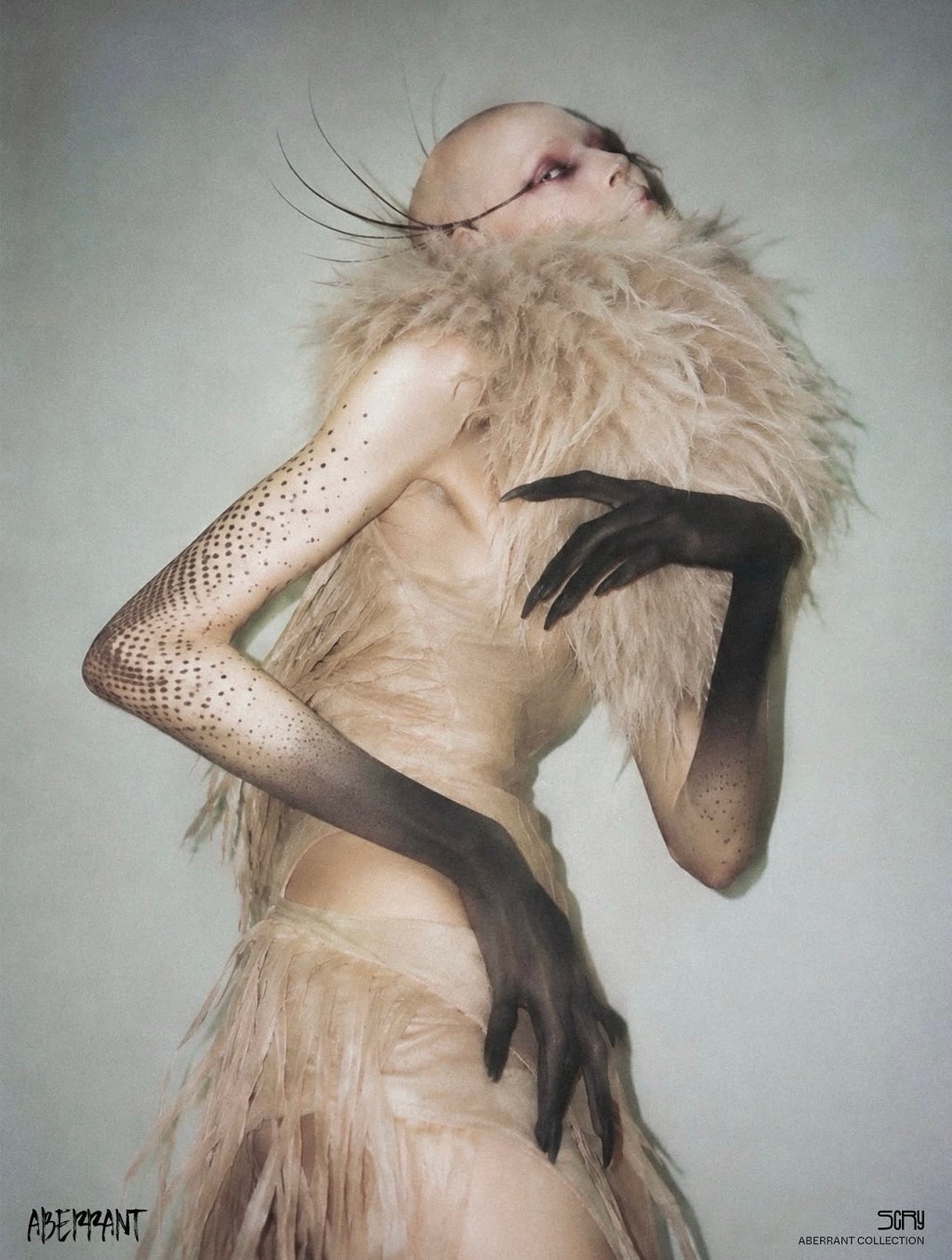
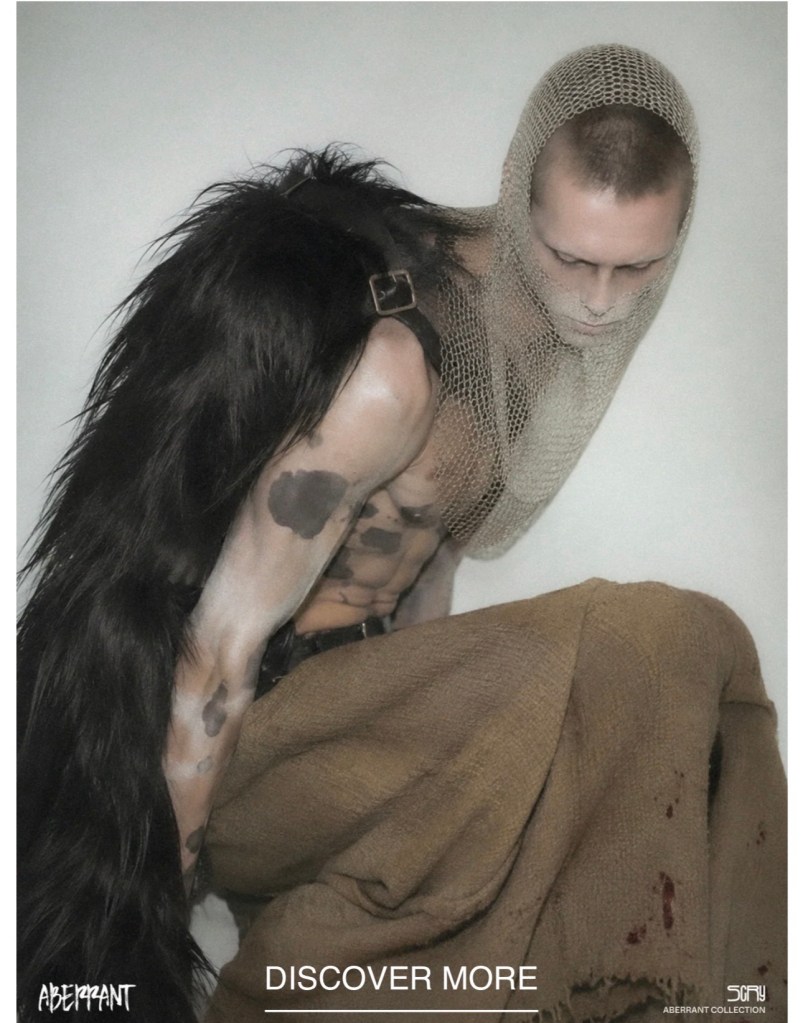
There are brands that sell shoes, and there are brands that propose an entire worldview—an atmosphere you step into rather than simply an accessory you wear. SCRY is unequivocally the latter. From the outset, it pulls you into a science-fictional realm, one steeped in the dark realism of Gothic modernity: not darkness as flourish, but darkness as architecture—dense, intentional, and quietly severe. It is a future that does not soften itself for comfort; it sharpens itself into meaning.


In SCRY’s orbit, high fashion becomes a kind of secret society, where mystery is not an aesthetic garnish but a governing principle. The thematic gravity feels familiar to anyone who recognizes the charged poetics of Rick Owens’ Matières Fécales Paris, the sleek menace of Blade, the disquieting philosophy of The Matrix, and the underworld velocity of Underworld—yet SCRY never merely borrows. It synthesizes. It takes the emotional logic of those universes and converts it into something startlingly concrete: wearable design, engineered with the intelligence of a laboratory.
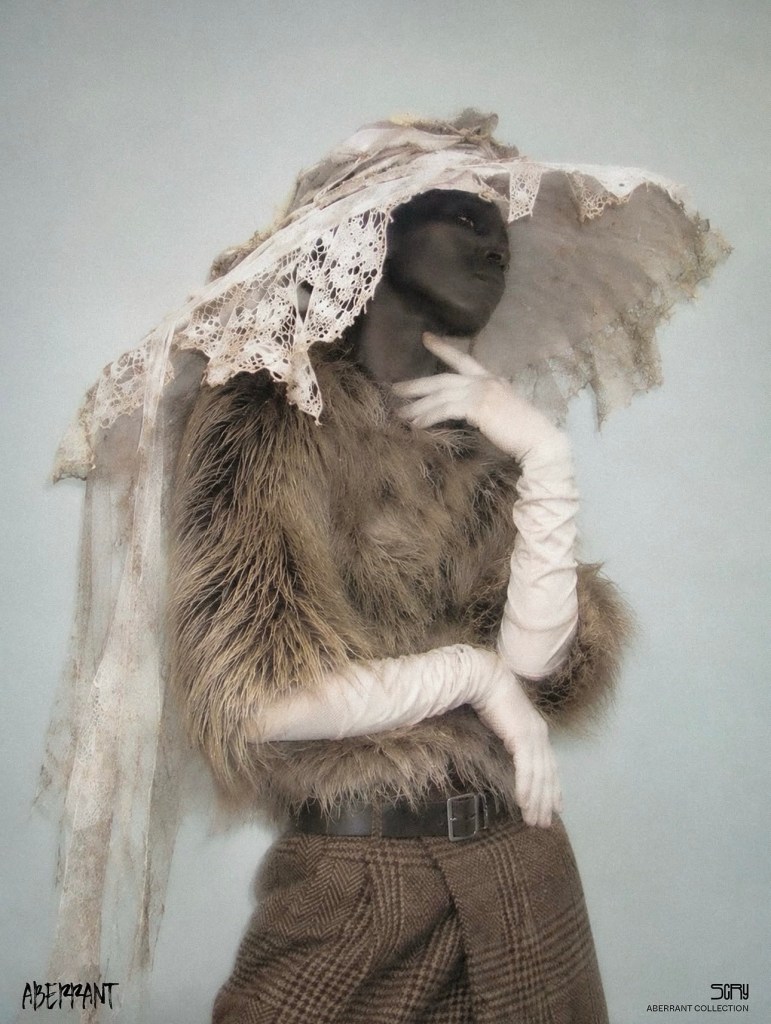
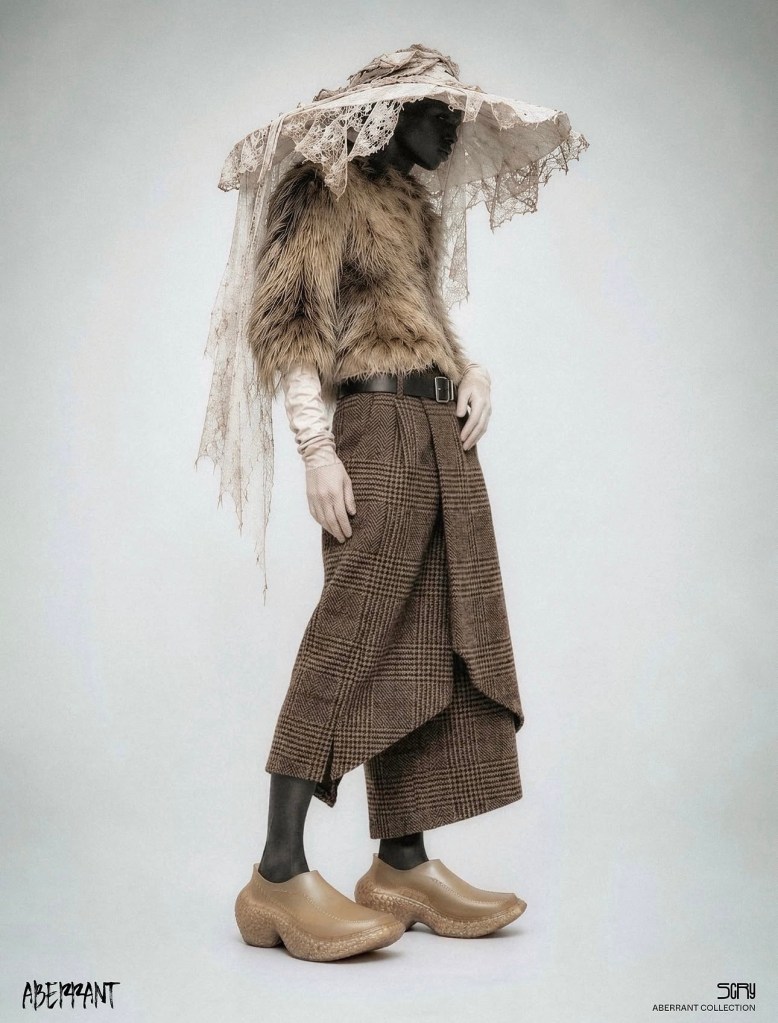
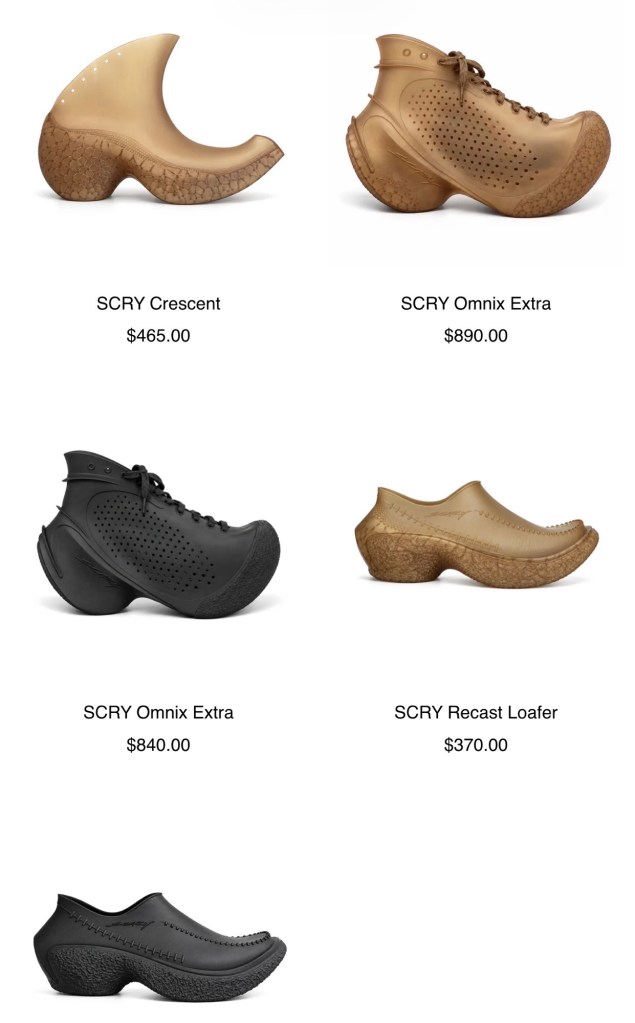
Founded in 2020, SCRY positions itself not as a conventional footwear label, but as a pioneering footwear laboratory—a research-minded institution that treats footwear as the research object. The ambition is expansive and singular: to explore the possibilities of future design and manufacturing, and to bring innovation into lived reality rather than leaving it stranded in concept. At the intersection of art, design, technology, culture, and environment, SCRY’s work is driven by a simple refusal—the refusal to accept that progress must remain theoretical.
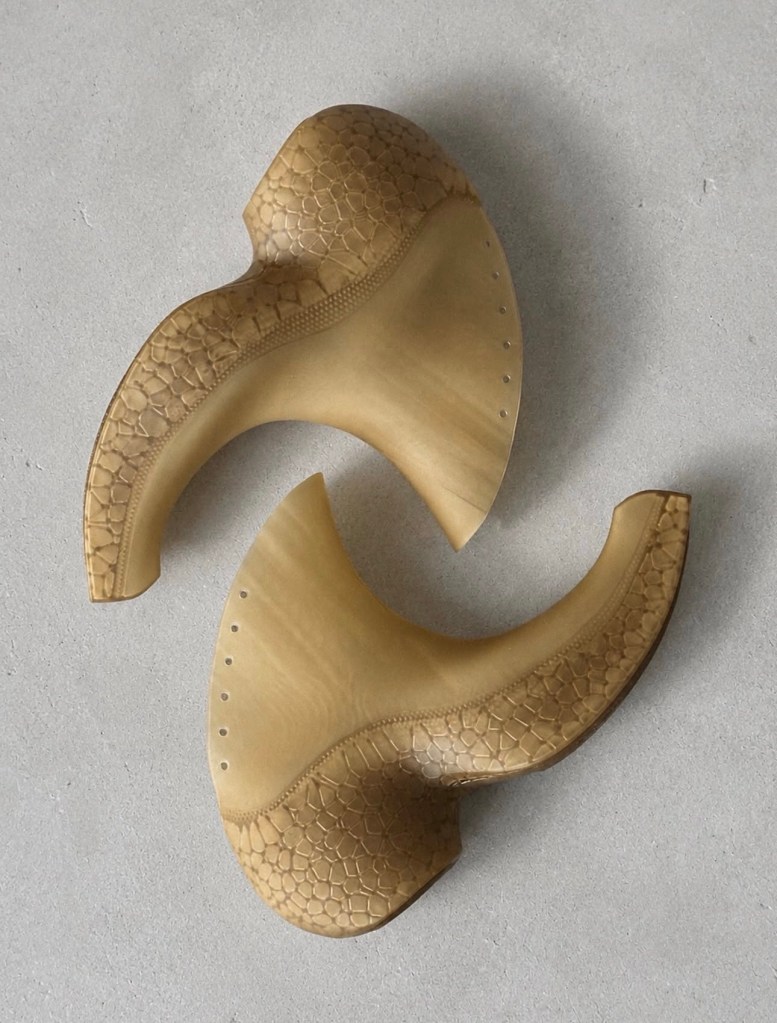
This is where the brand’s signature framework enters: “Digital Embryo,” the underlying structure for digital design and manufacture within the footwear industry. Digital Embryo studies the meeting point between digital design, materials science, and future needs, with the goal of exploring new models for how footwear can be imagined and produced. In this system, data becomes the core logic that threads through every phase of design to manufacturing—transforming iteration from a slow, costly interruption into a continuous creative rhythm.
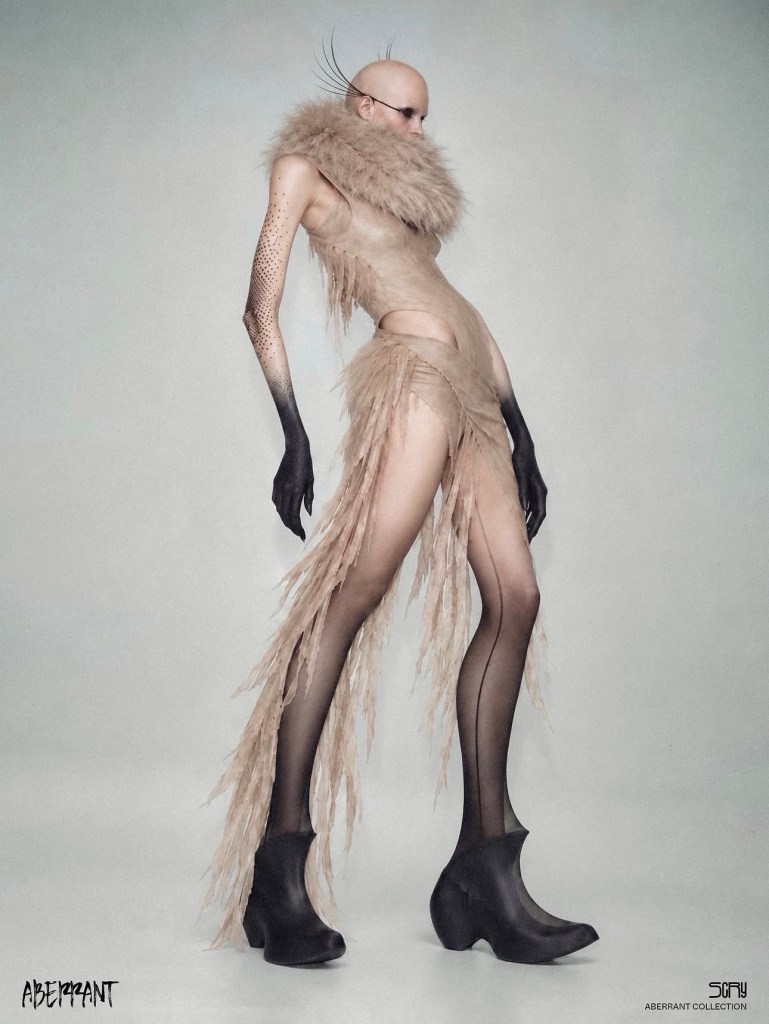
SCRY describes each creation as if it were a new life—an organism that emerges, takes form, and can be refined. And thanks to cutting-edge additive manufacturing technology, these “lives” do not remain static after their first appearance. They can rapidly evolve, enabling successive versions that accelerate exploration and widen the frontier of what future footwear might do—how it might fit, respond, and belong.
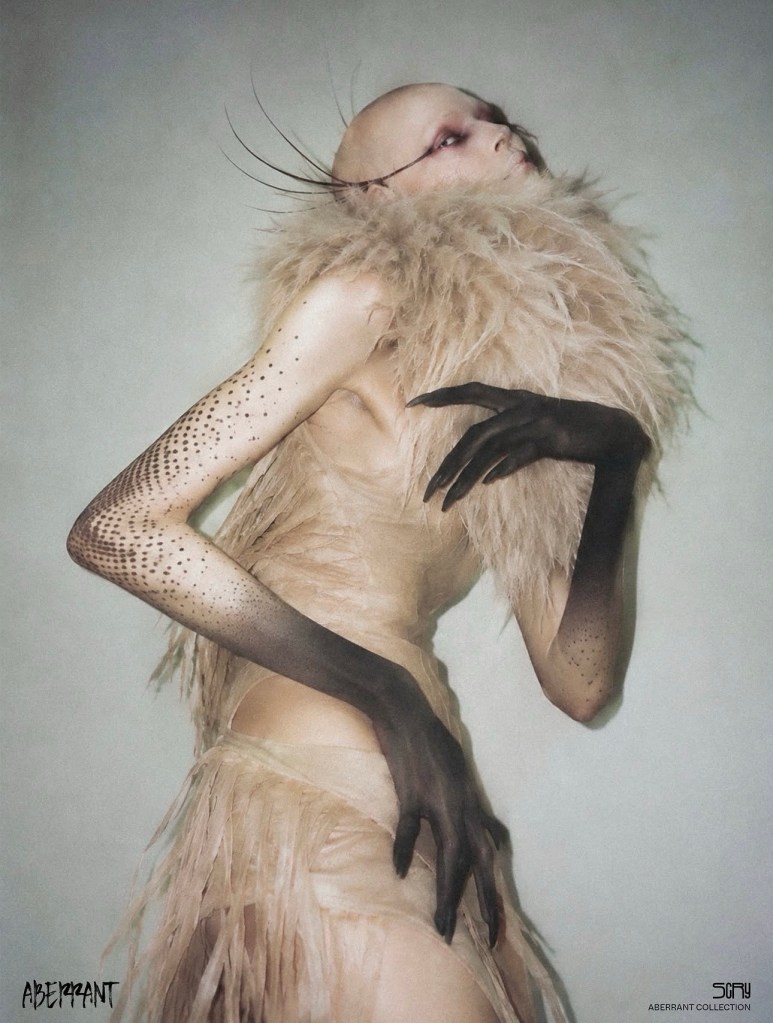
Under the architecture of Digital Embryo, the process itself is redefined. A virtual version of a project can be released before it is born in the real world. This is not merely a workflow upgrade; it is an ideological shift away from the traditional constraints that choke brilliance—constraints like the costs and delays of mold opening, the waste of time, and the environmental pollution embedded in outdated production methods. In SCRY’s vision, excellence no longer suffers the fate of the sketchbook. It becomes executable: an idea tested, shaped, and prepared before it ever meets physical reality.
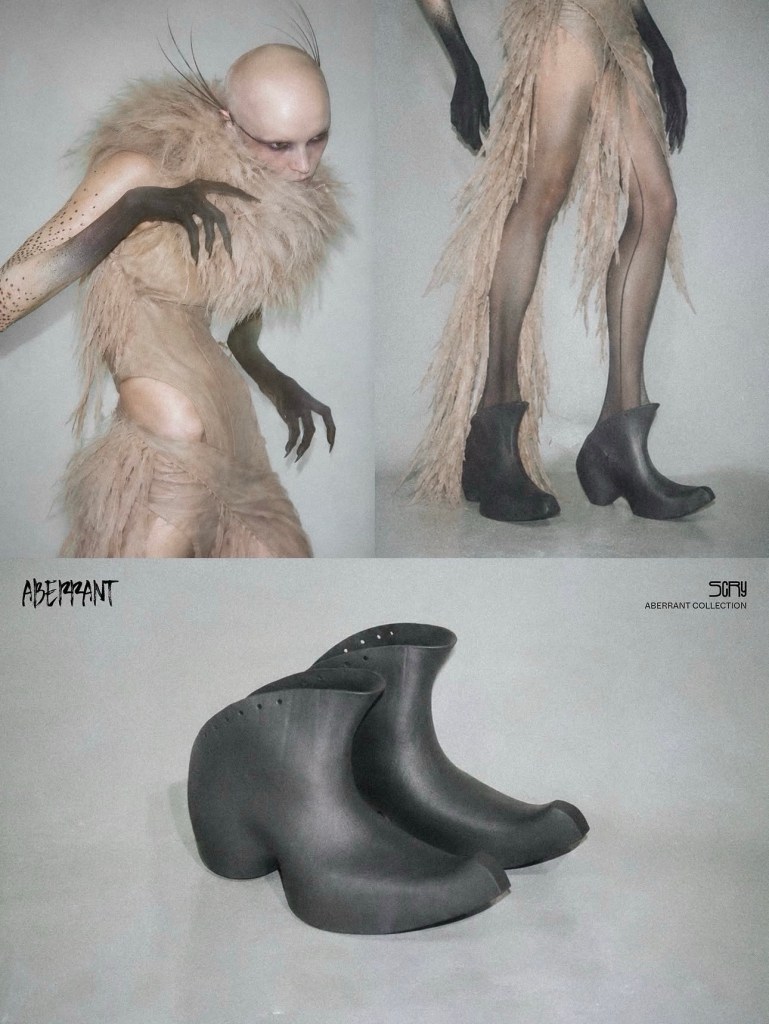
This transition—from simulation to the substance of experience—is made tangible through SCRY’s first creation under the system architecture: SCRY Shuttle. Described as the world’s first integrated additive manufacturing footwear that is actually wearable, SCRY Shuttle stands as proof of concept made corporeal. It is the moment the future stops speaking in diagrams and begins speaking in footsteps.
There is a particular elegance in this proposition: SCRY does not chase futurism for its own spectacle. It constructs a future that can be inhabited—one built through precision, intelligence, and continuous evolution. It offers a new kind of modernity where design is not a dead-end deliverable, but a living process capable of iteration and refinement. In the end, SCRY suggests that what we wear should not merely reflect the present. It should participate in the next chapter of creation.
Because in SCRY’s world, footwear is not just worn.
It develops.


Leave a Reply