
By Marcus G Blassingame
On September 15, 2026, during New York Fashion Week, Frederick Anderson unveiled his Spring/Summer 2027 Ready-to-Wear collection, “The Garden Party.” Rather than treating the runway as mere spectacle, he staged it as something more enduring—an elegant, meticulously composed space where history could be cultivated, and identity could bloom with sophistication rather than compromise. The collection arrived in the charged luminosity of the fashion capital, yet it carried the gravity of America’s 250th anniversary: the nation imagined as a lush, multicultural garden, rooted in Indigenous memory, enriched by African inheritance, and sustained by the immigrant tenacity that has always done the work of becoming.
The Soundtrack of the Narrative
The show’s heartbeat was music, and music served as the collection’s guiding thread. It opened with live performance by Grammy-winning artist Allison Russell, who sang “Eve Was Black.” The track did more than set the mood; it named origin and honored shared human roots—mirroring Anderson’s desire to present America as a composite landscape rather than a single lineage. At the end, Russell returned with “We Are Not Alone,” drawn from her roots-music supergroup Our Native Daughters. The community-forward energy of the anthem ushered in the final sequence—an all-white transformation that felt less like a stylistic conclusion and more like an opening, as though the air itself had been cleared for what comes next.
A Collection Built from History, Not Just Inspiration
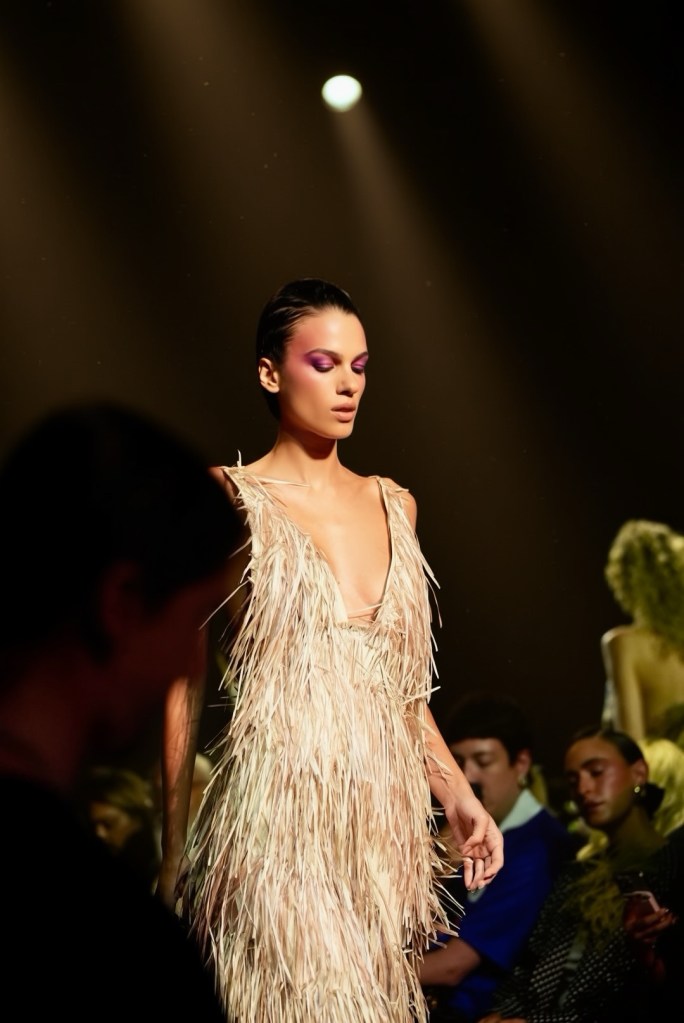
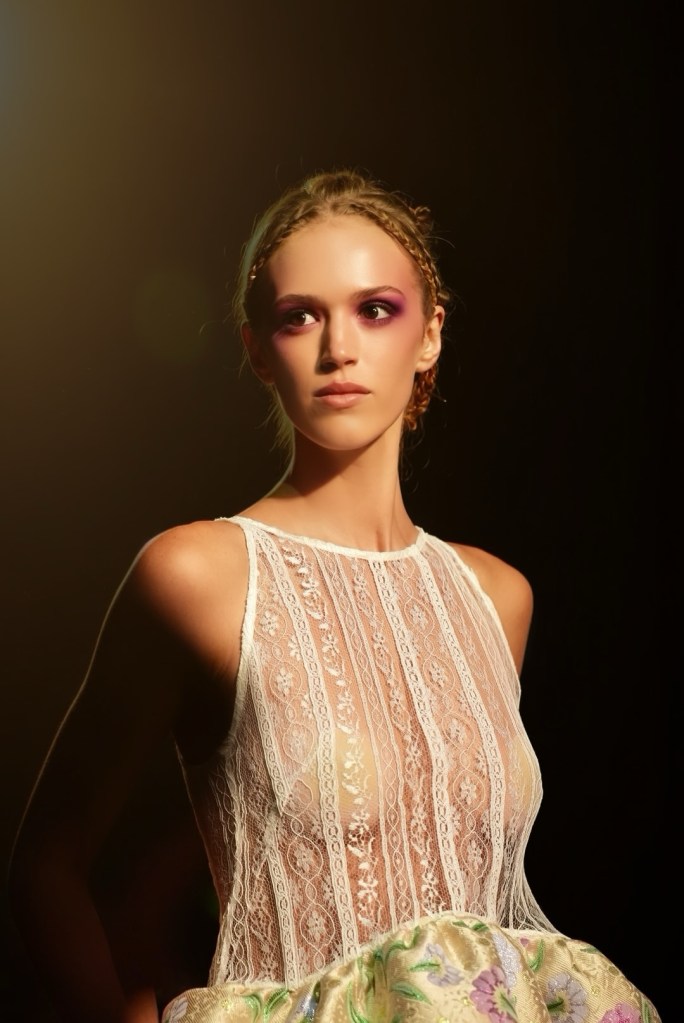
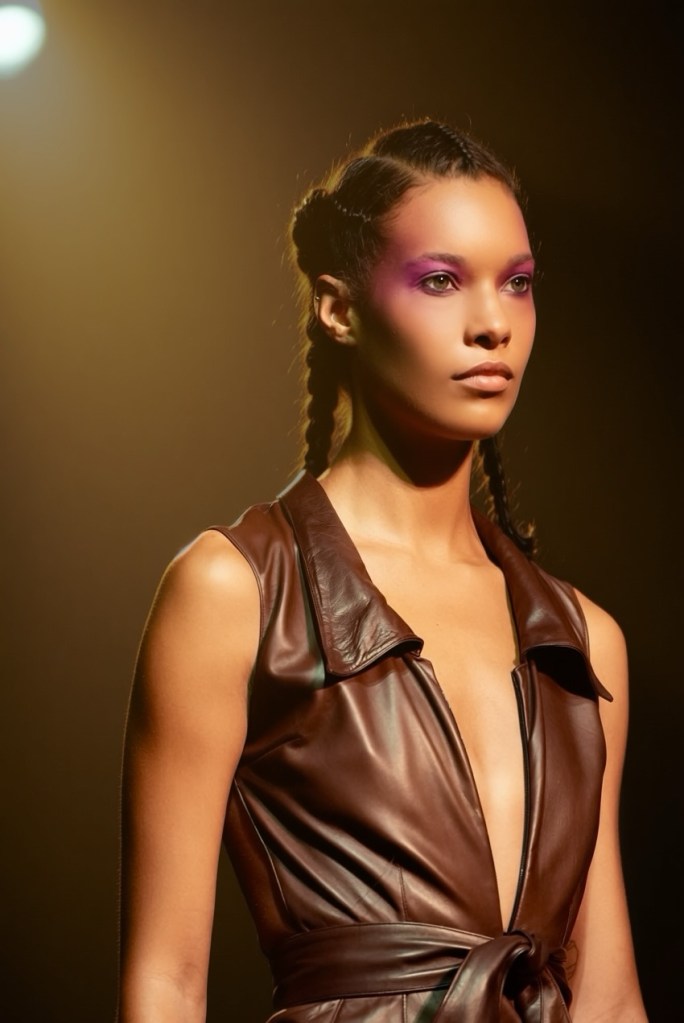
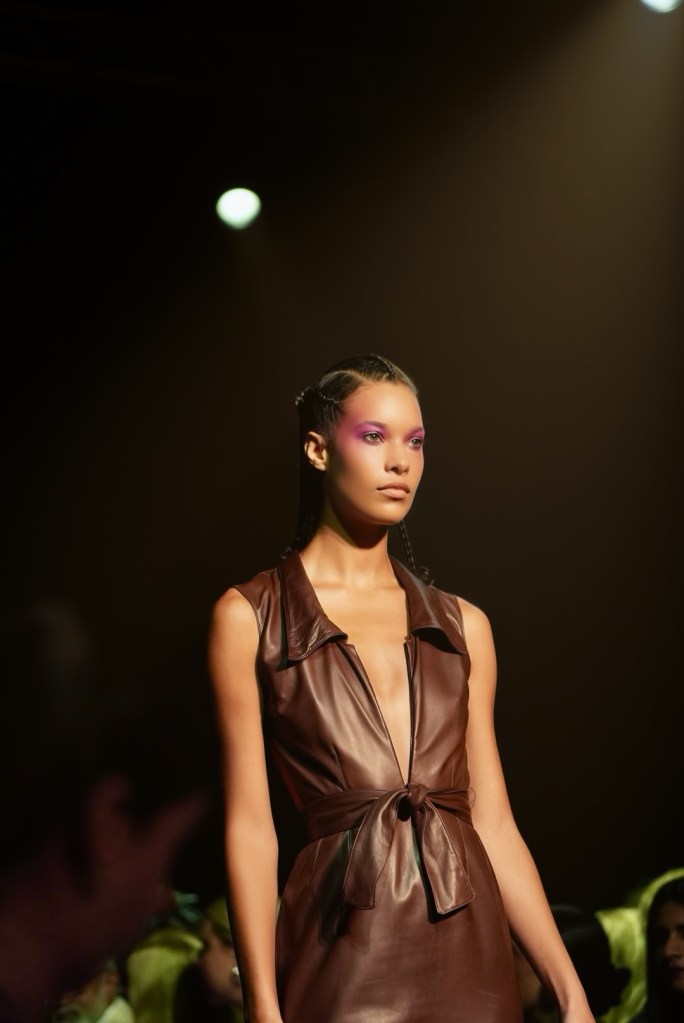
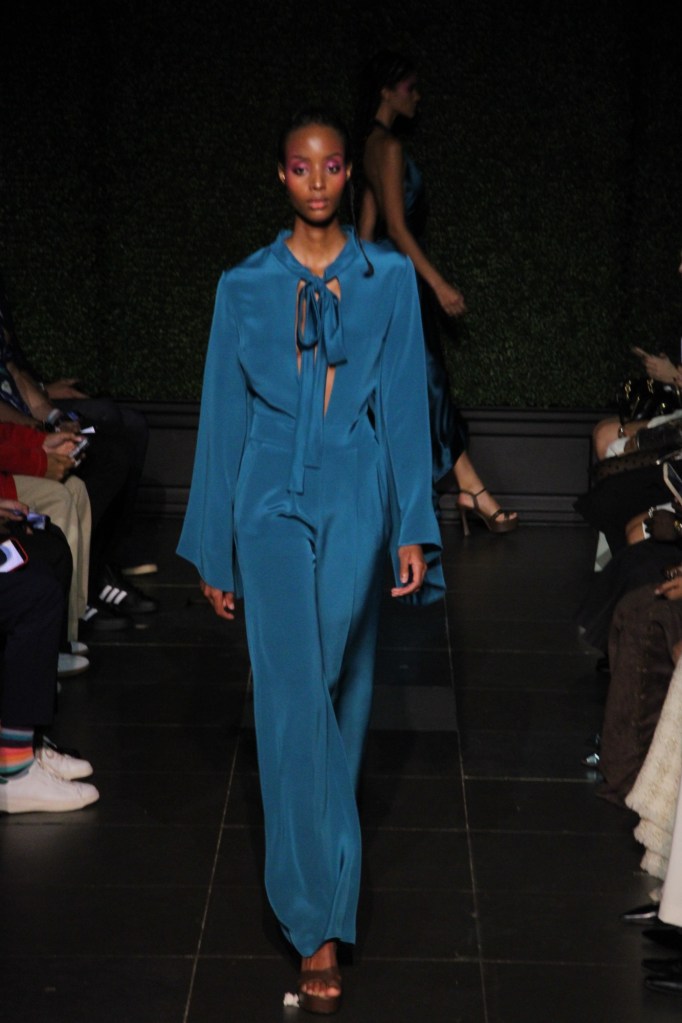
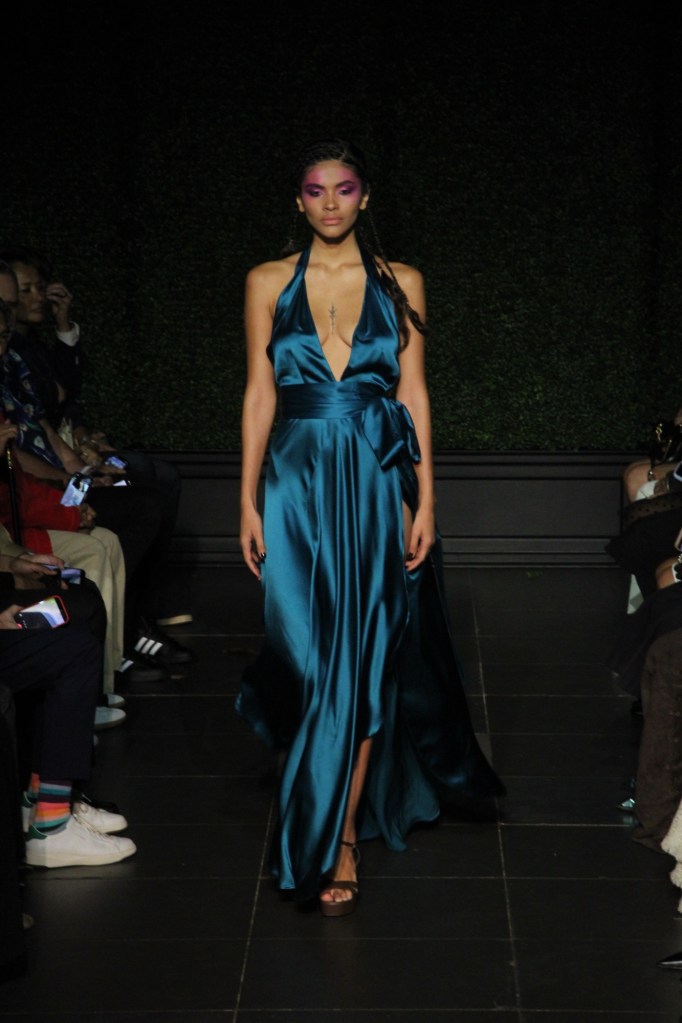
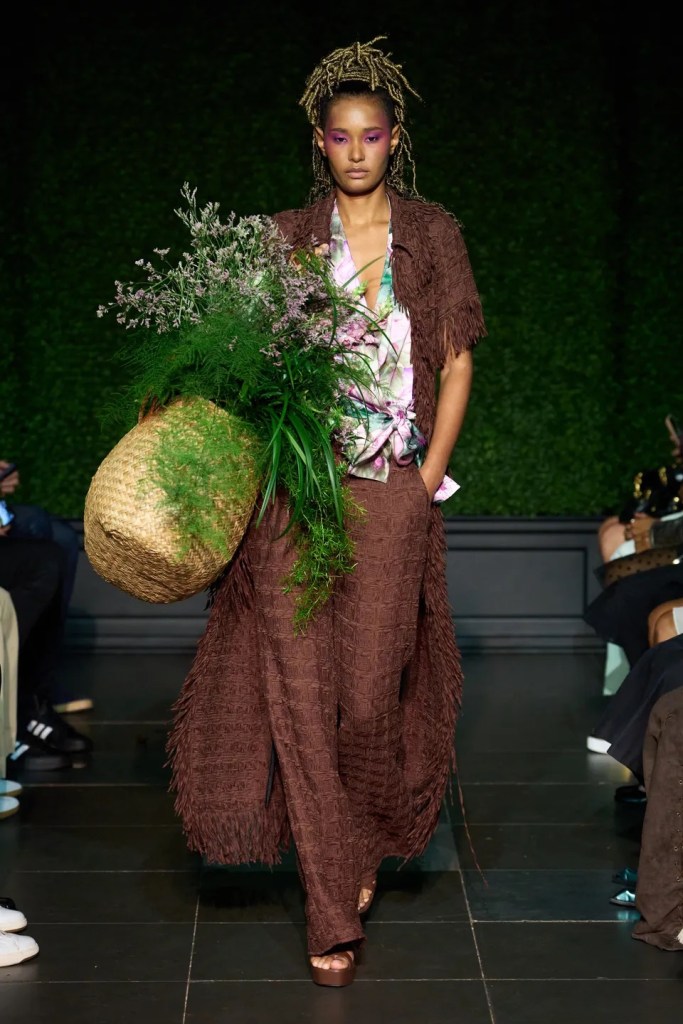
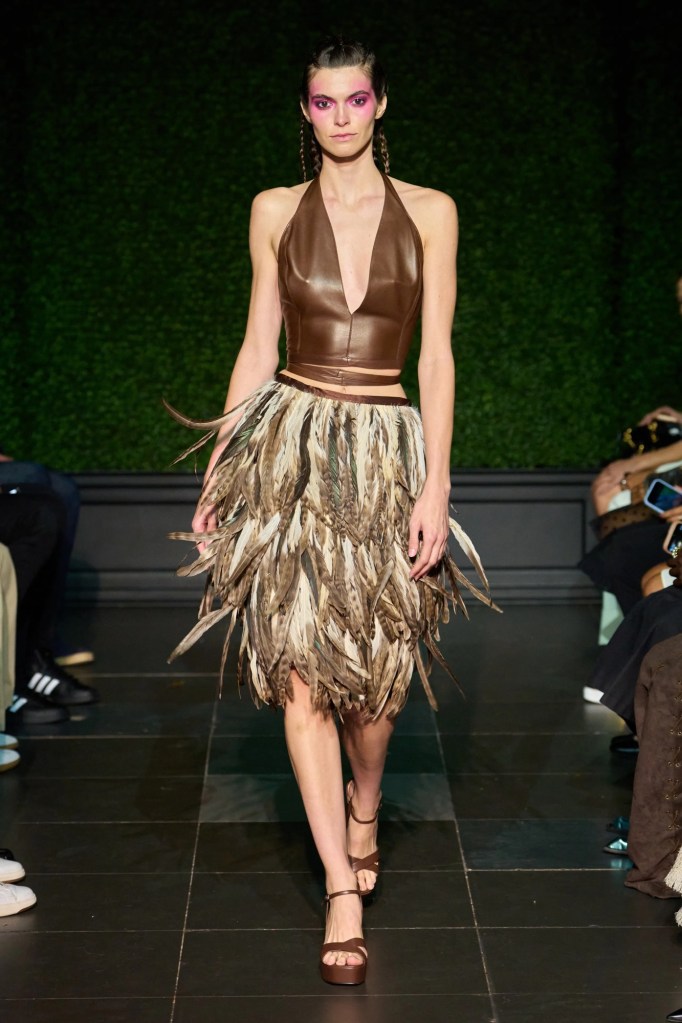
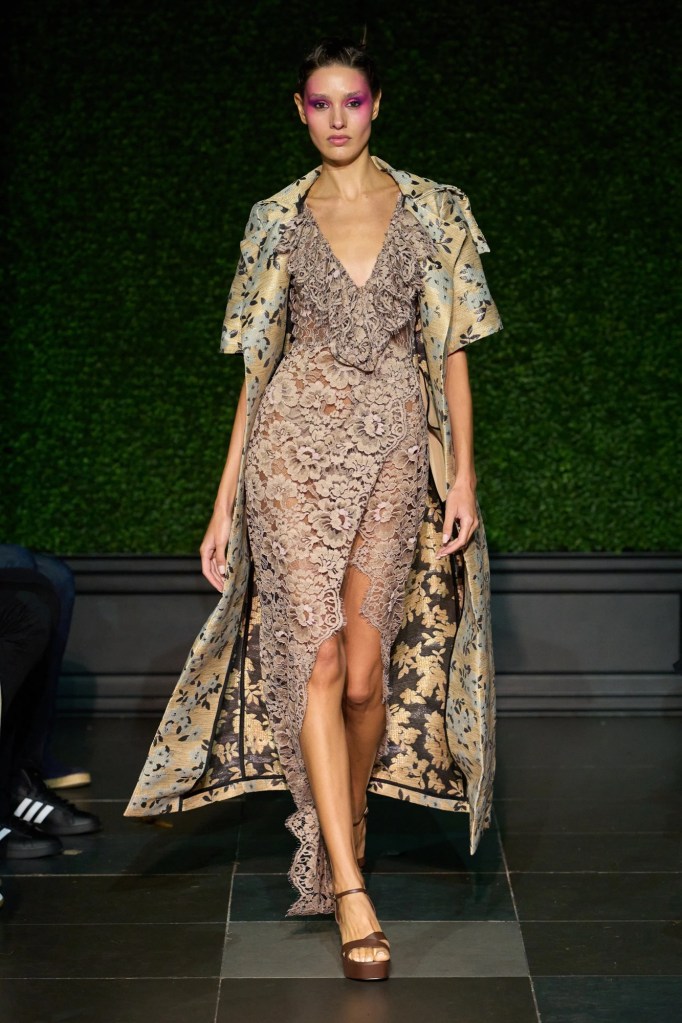
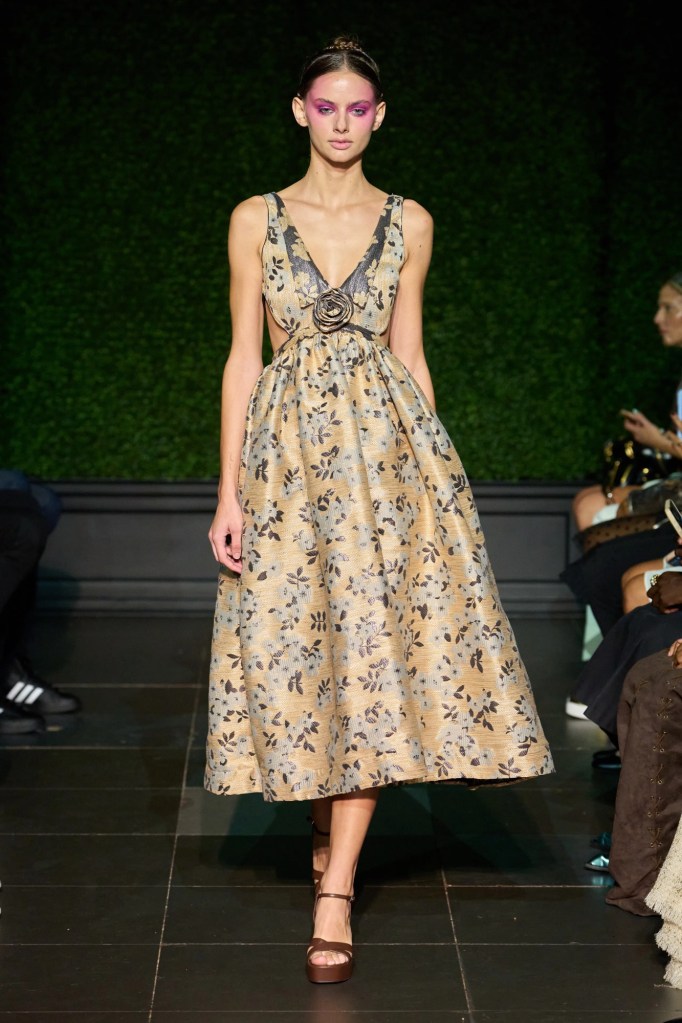
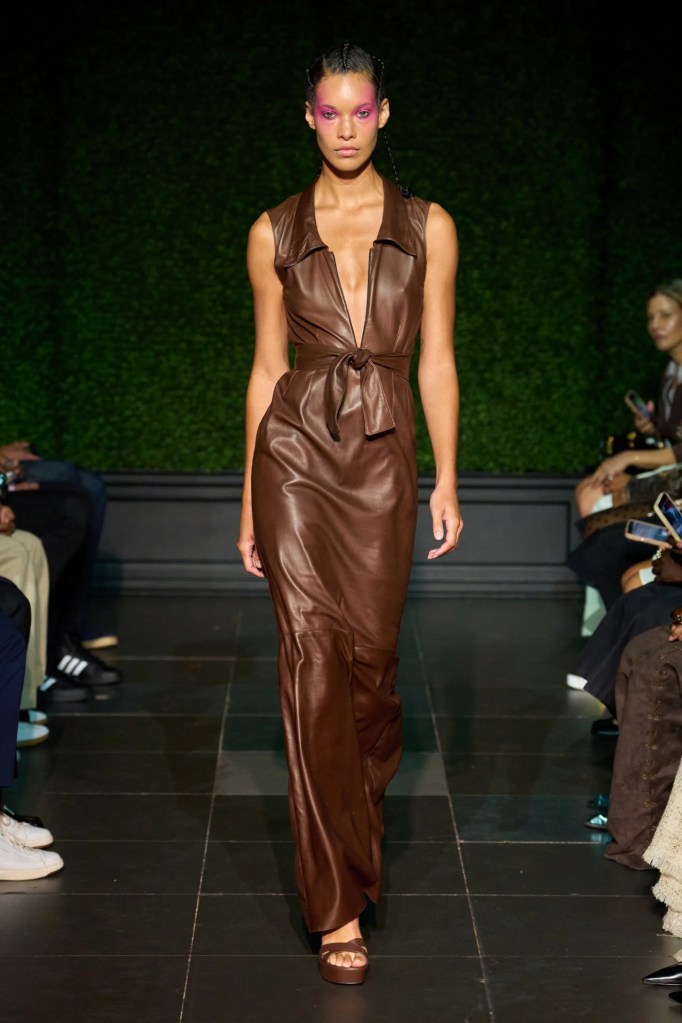
For Anderson, “The Garden Party” was not merely a seasonal theme; it was a personal metaphor for American identity and multiculturalism—timed intentionally to coincide with the nation’s milestone anniversary. He traded the sharper edges of his customary dark palette for earthy browns, deep greens, and blues, constructing a garden atmosphere through texture as much as color. Materials were chosen like language: raffia that suggested organic unruliness, silk and lace that offered refined breathing space, knit crochets that revealed the body with intention, and tapestry-inspired brocades that gave the garments a sense of architecture and permanence. Even the silhouettes carried meaning—romance balanced by structural clarity, softness held in disciplined form.
The Runway as a Chronological Garden
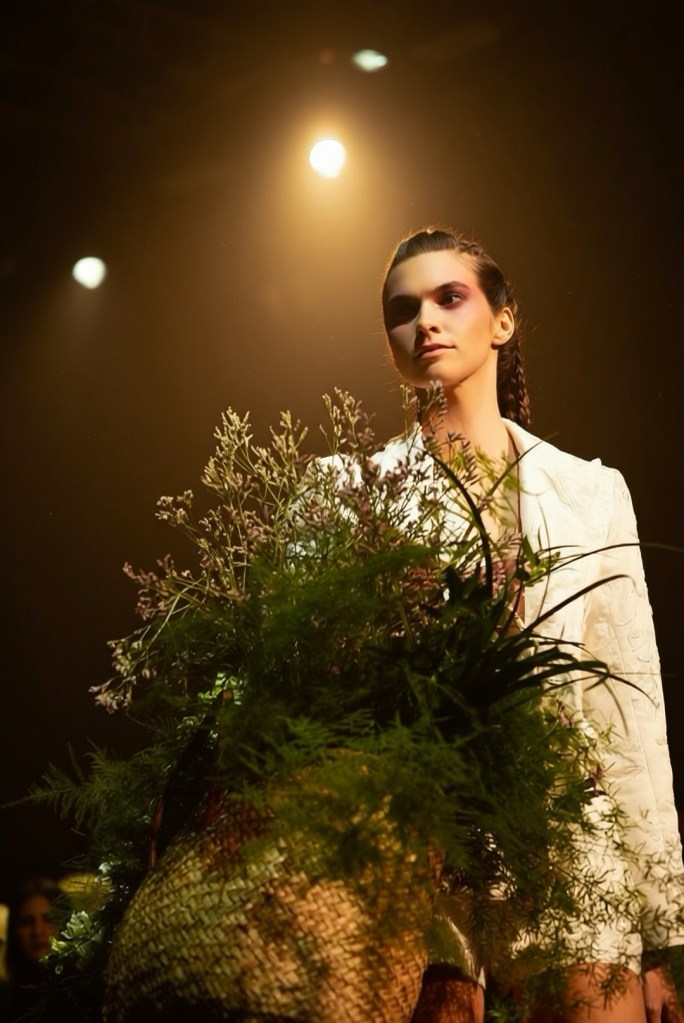
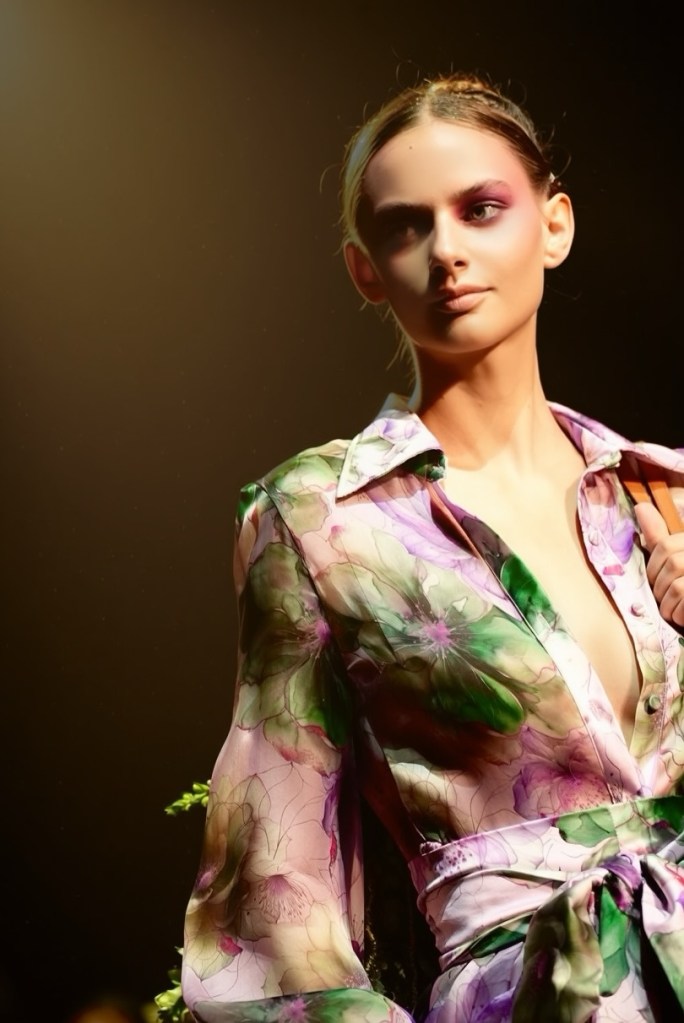
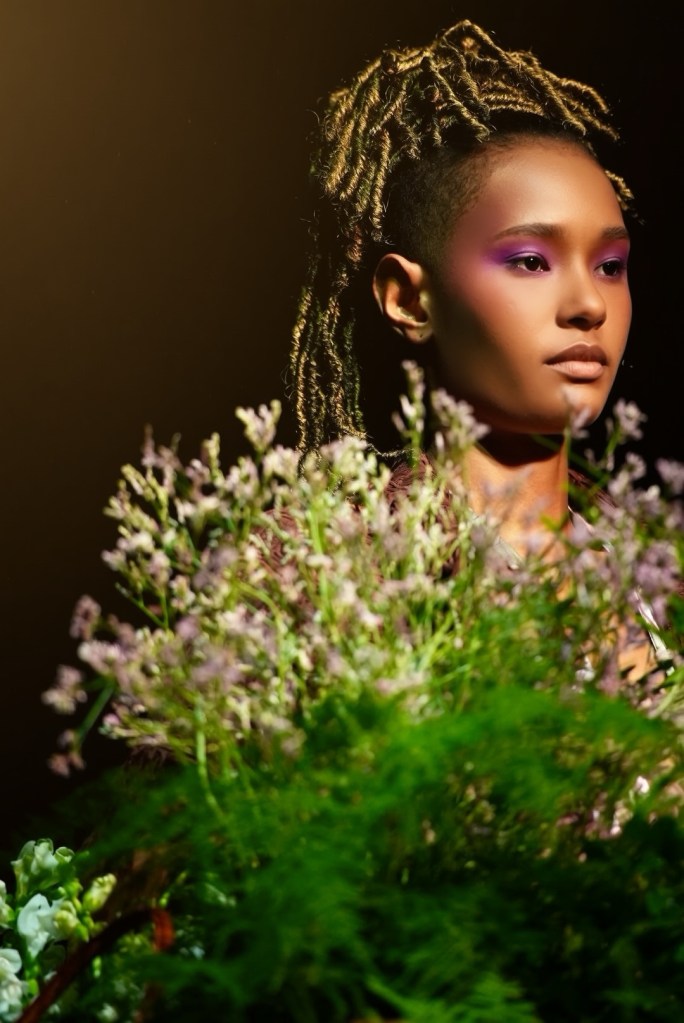
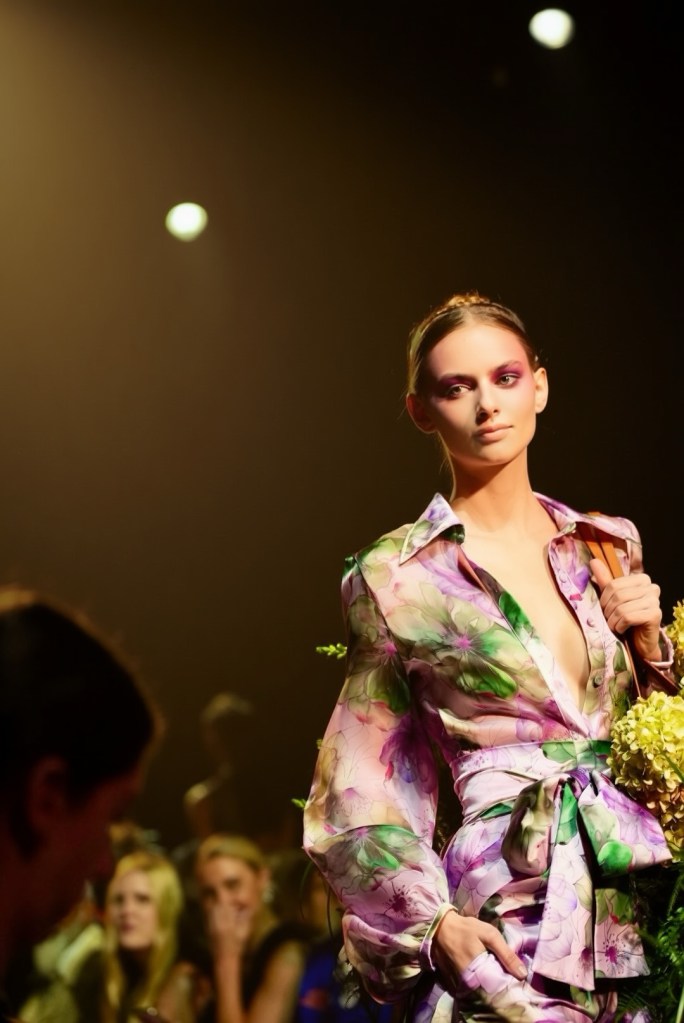
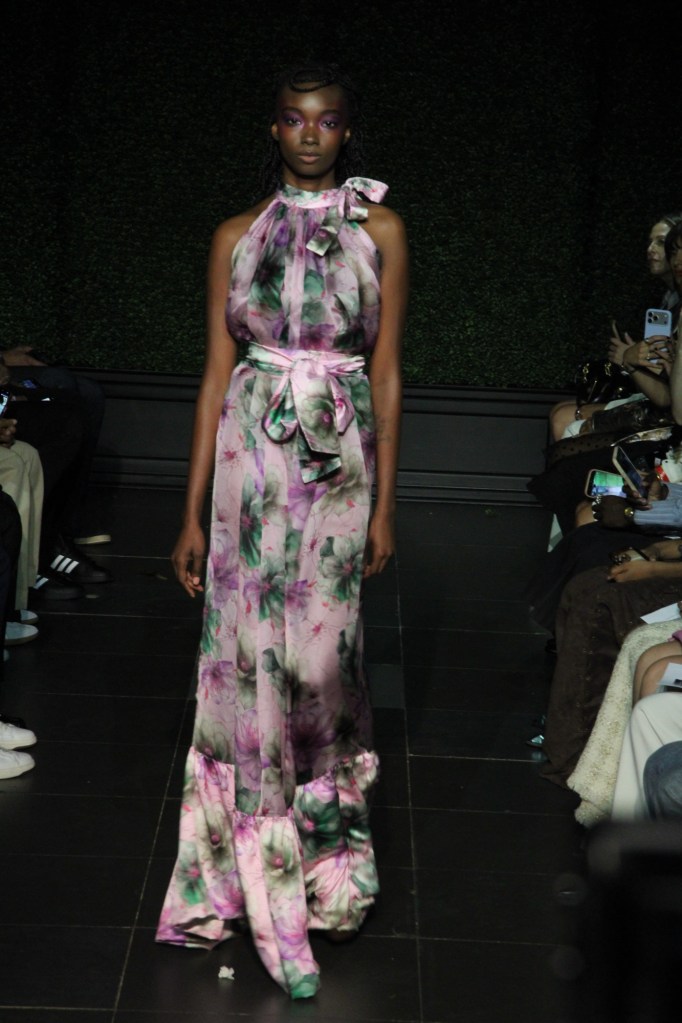
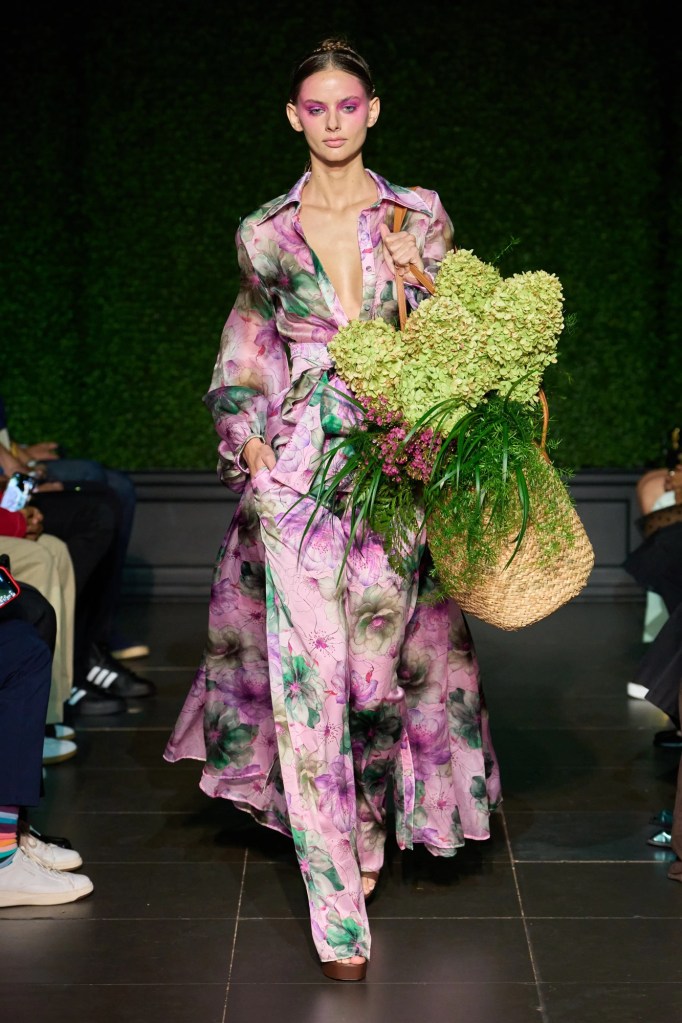
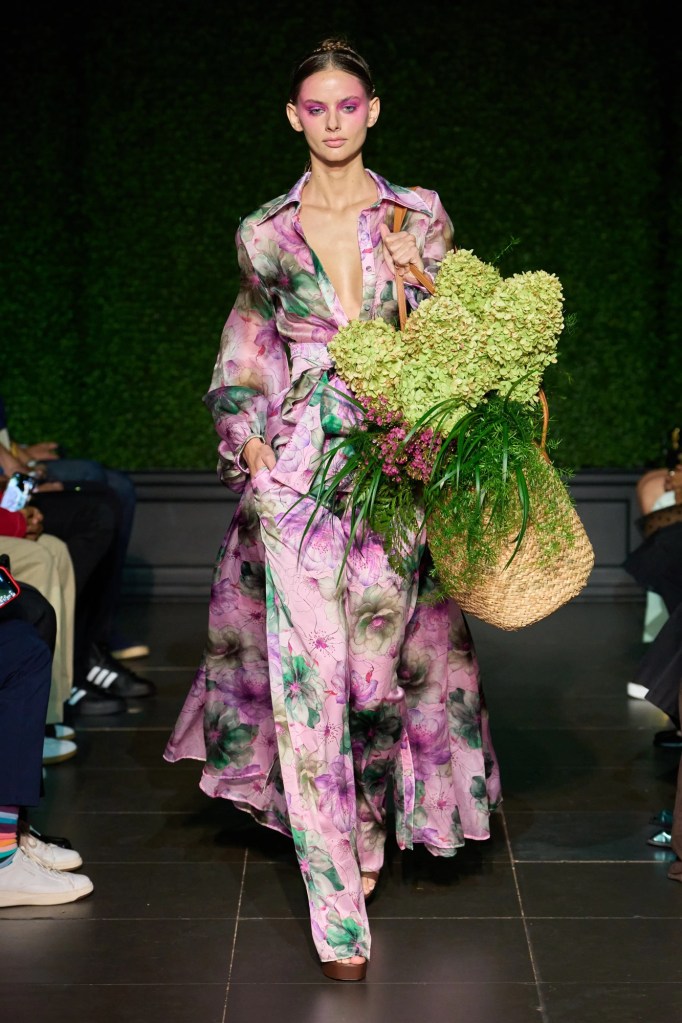
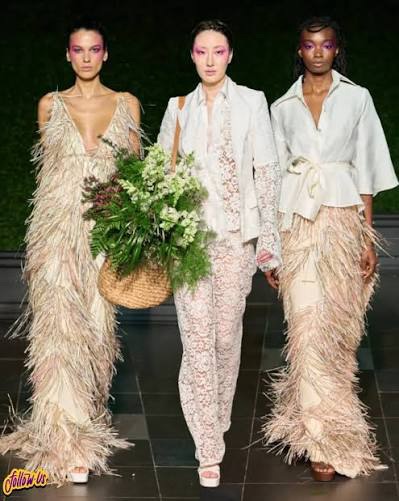
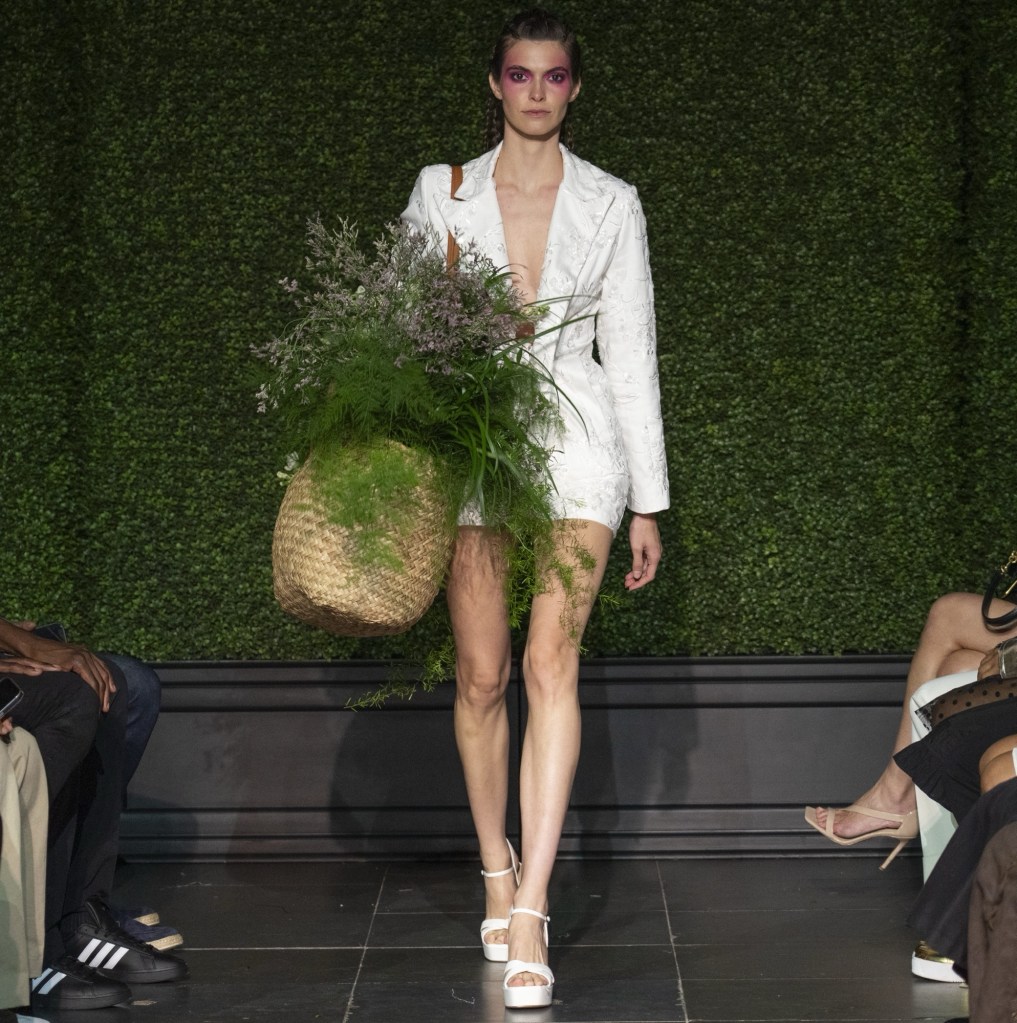
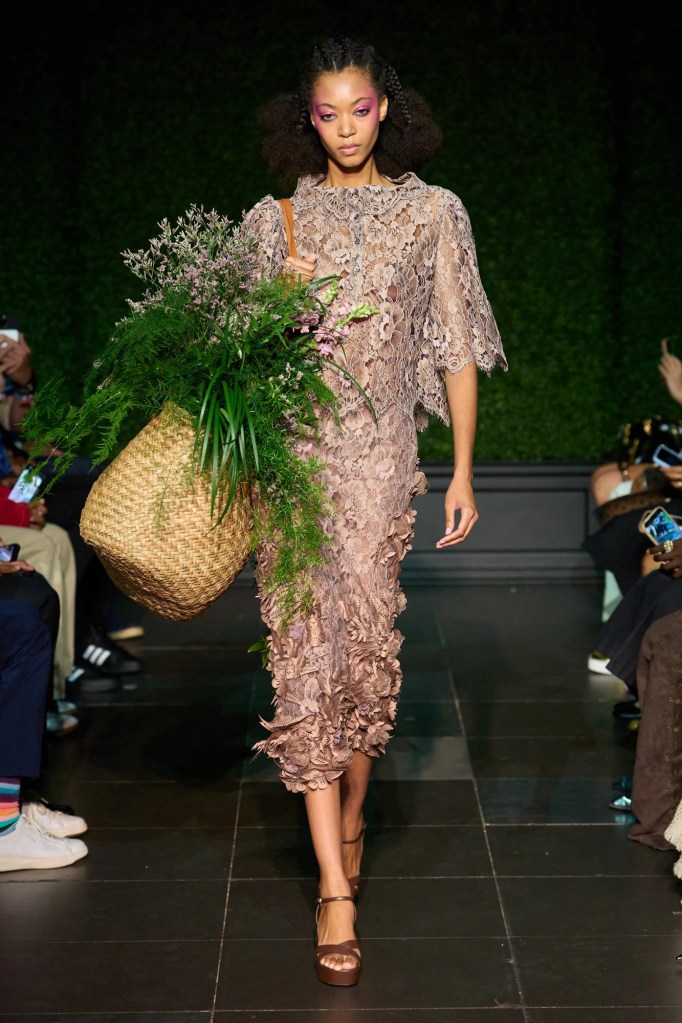
The runway unfolded like a historical arc. It began with an air of pastoral optimism, reflecting the early days of families settling and planting roots. Hydrangeas—rendered in soft pink floral silk—set a romantic tone, while oversized market-basket imagery made the garden literal. Models moved bearing woven wicker baskets spilling with fresh wildflowers, translating the theme into something tactile and immediate: the beginning as an act of belief, the garden as a place where life is made through tending.
Then the show disrupted itself. As Russell’s performance filled the venue, the aesthetic shifted to acknowledge the violent forced migration and exploitation embedded in American history. The cherry-red satin jumpsuit appeared as a deliberate fracture in the softness around it—tight tailoring and structured satin designed to embody bondage, captivity, and the systemic restraint of historical slavery. It was not simply a garment entering the lineup; it was the narrative insisting on its truth.
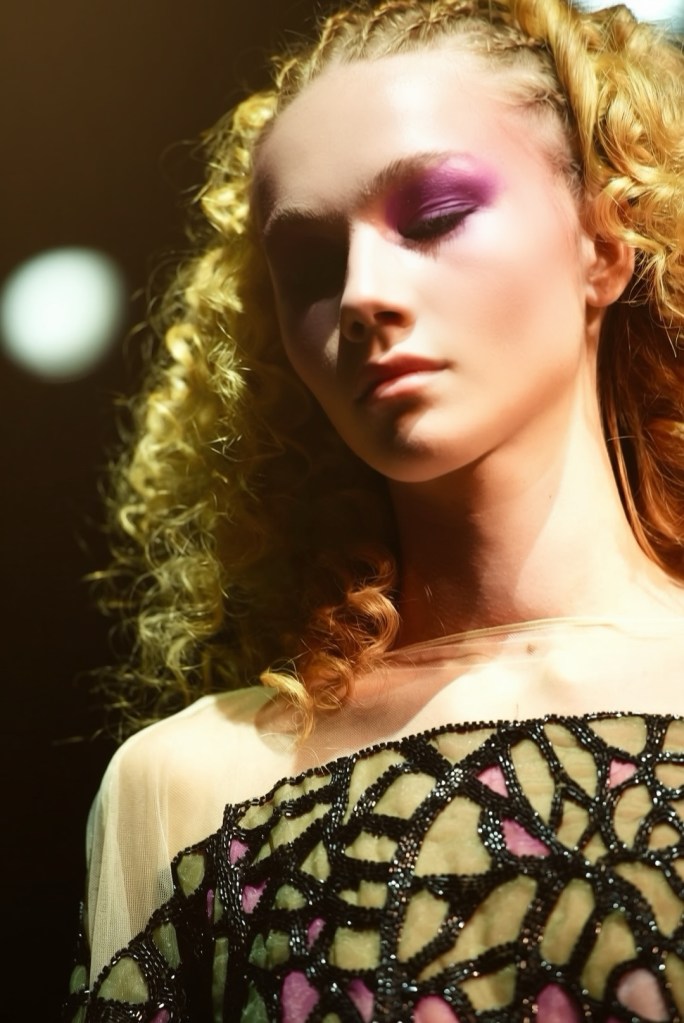
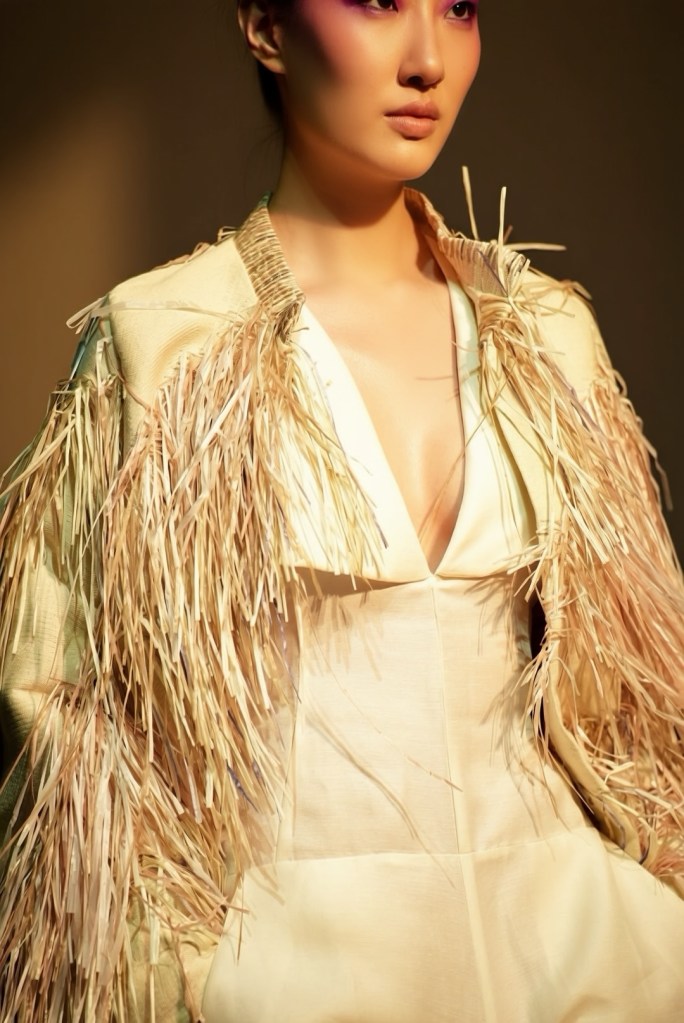
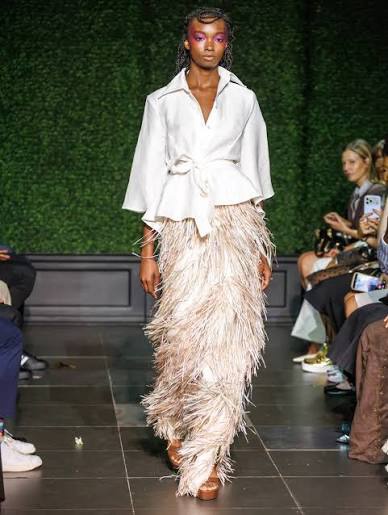
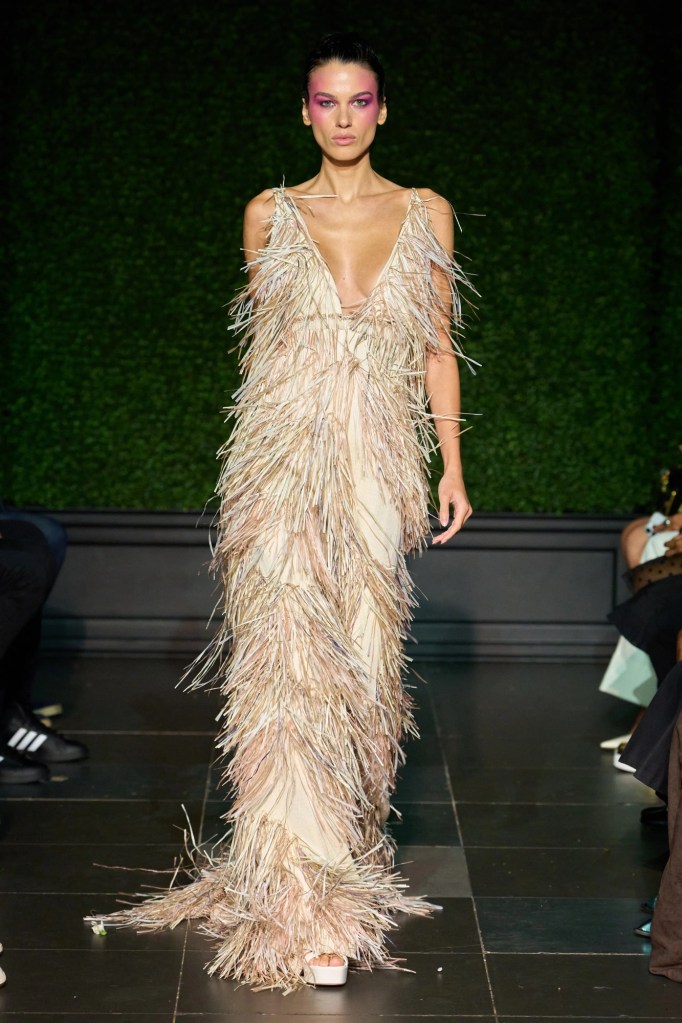
From that rupture, the collection bloomed into celebration and survival. Indigenous resilience and West African cultural continuity were honored through garments that carried ceremonial energy. Raffia-adorned blush ball skirts combined raw plant texture with high-glamour eveningwear, staging how cultures adapt without diminishing their origin. West African boubous flowed as loose-fitting, ritual silhouettes that subverted the American habit of standardizing what is worn. Even the finishing details—streaked eye makeup resembling ancestral war paint—served as a visual reminder that preservation can be fierce, beautiful, and deeply alive.
The Finale: Purity, Healing, and an Open Future
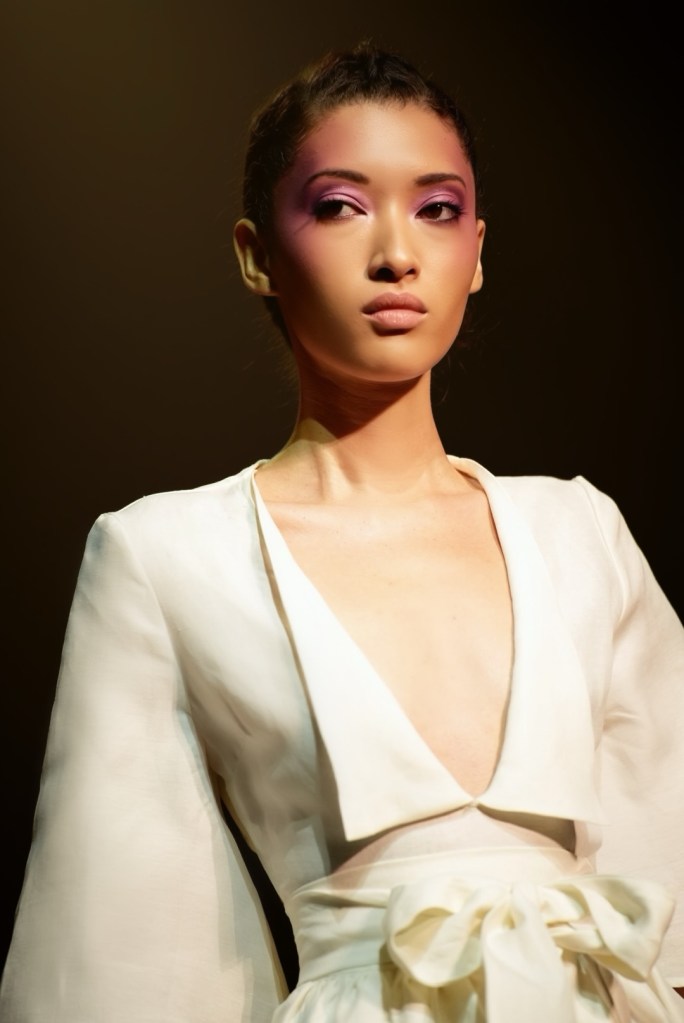
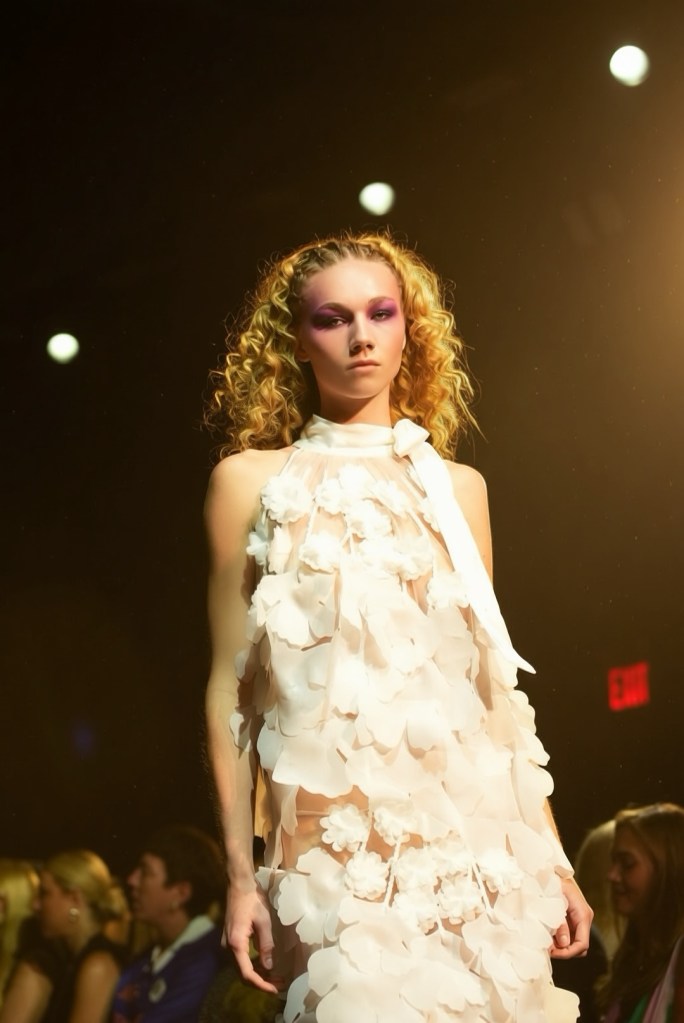
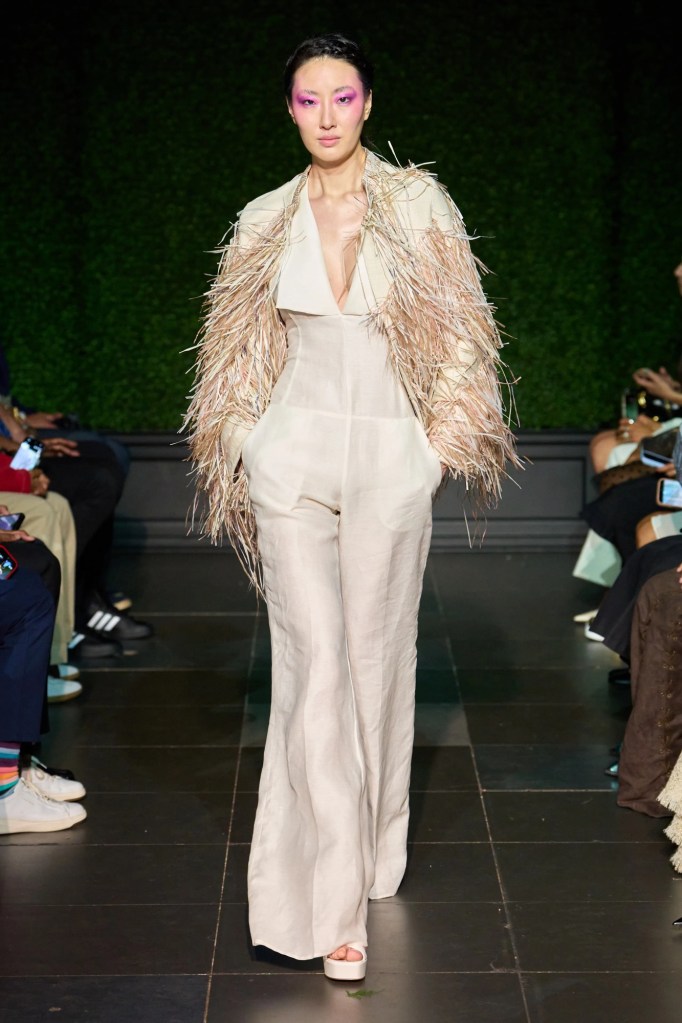
The final movement washed the palette away, moving decisively into monochrome. Anderson intended the all-white conclusion as a blank canvas, a return to purity and a symbol of hope. It was framed as a clean slate for the nation—a space where new cultures, voices, and stories can continue to plant their seeds. The closing looks—fringed slip dresses and cascading petal gowns—moved with airy, floral grace, culminating in a deep-V silhouette whose skirt descended like flower petals in motion. It was optimism with memory attached: a future that does not deny the past, but refuses to be imprisoned by it.
Fabric as Language: Artisanal Luxury with Memory in the Thread
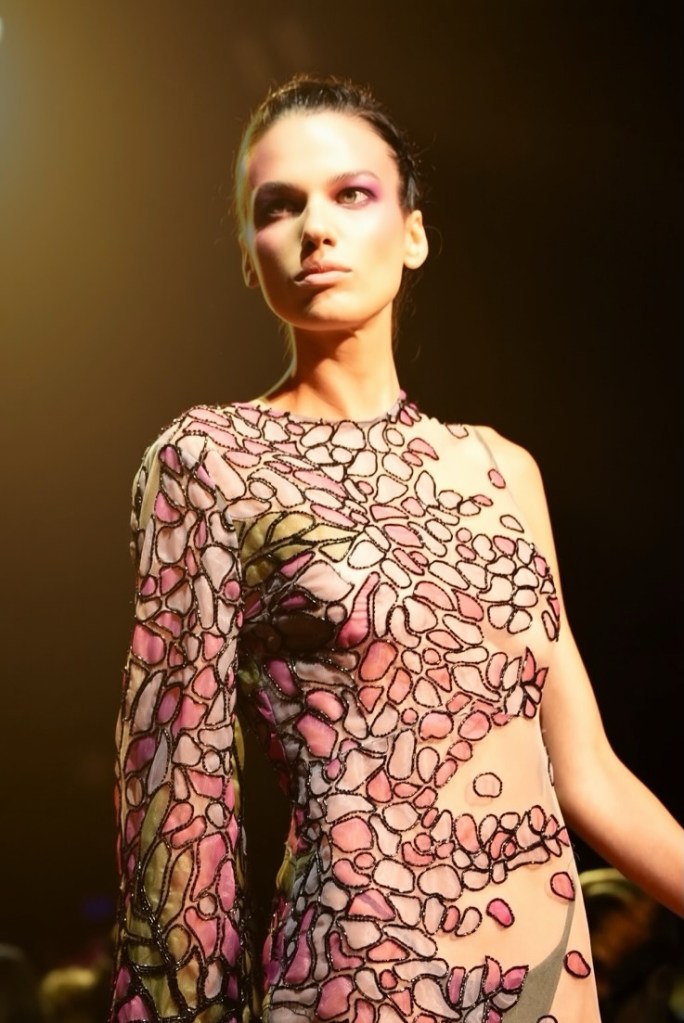
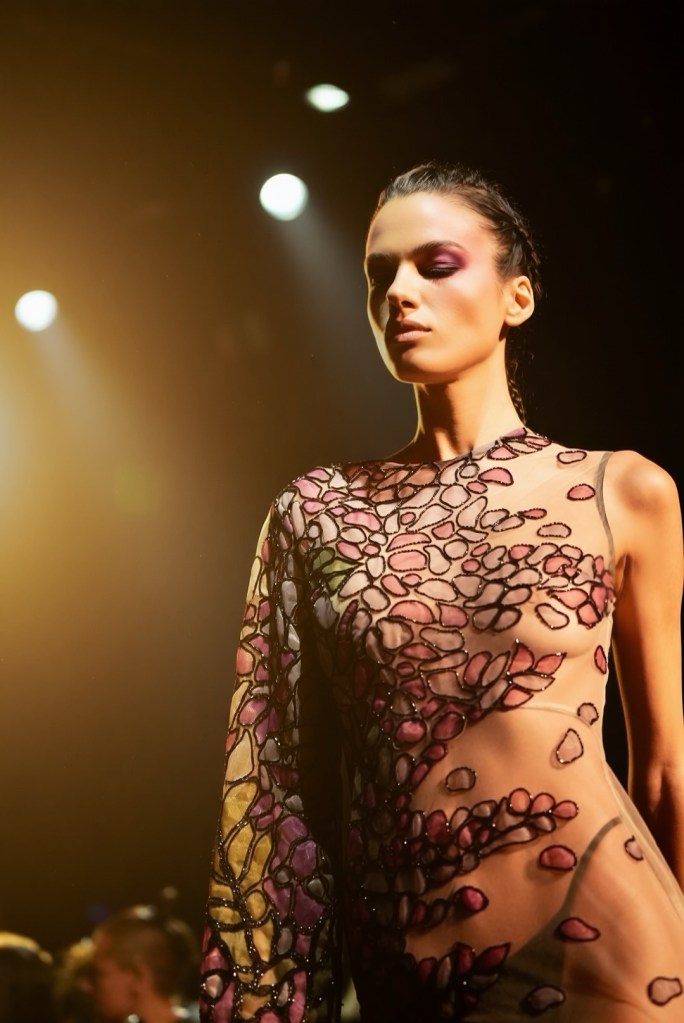
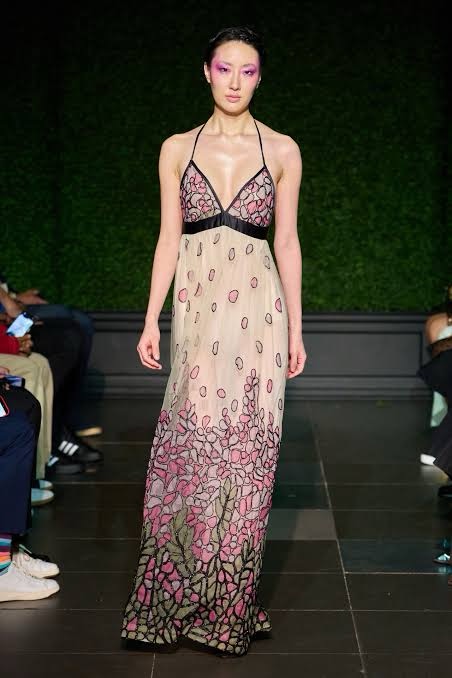
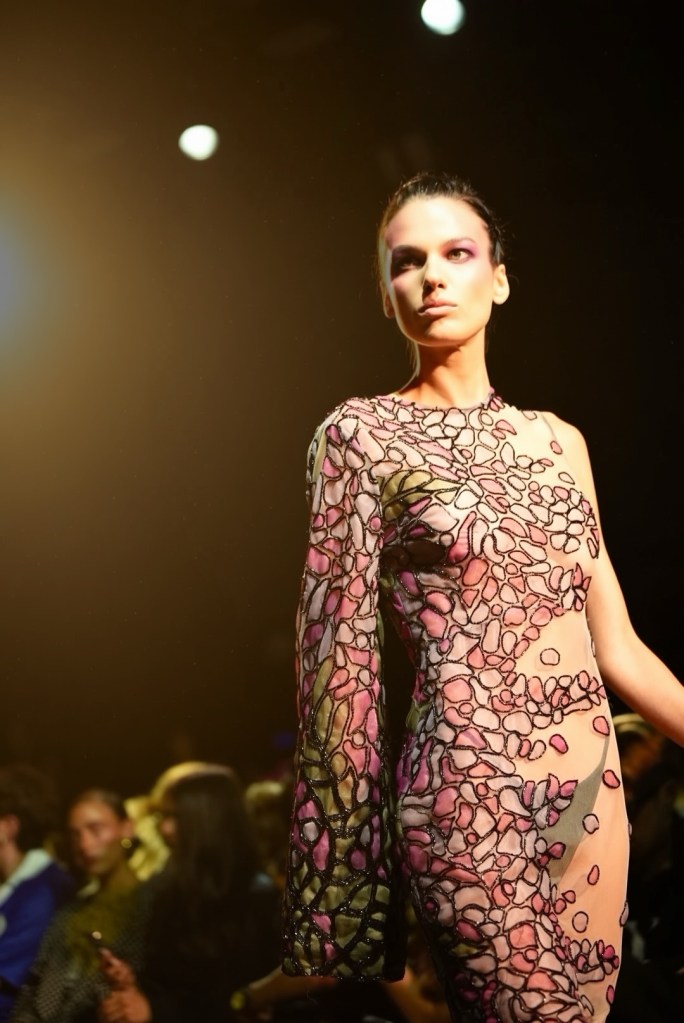
Anderson’s genius is that he does not only select fabrics; he authors them into narrative. The immigrant and historical story is embedded in the collection’s structural DNA through raw materials, ancient fabric-making techniques, and precise construction. He hand-makes most patterns, cuts his own pieces, and manufactures locally in New York City, enabling the kind of painstaking oversight that delicate textiles demand. The stained-glass chiffon technique, engineered through embroidered chiffon with fine interlocking stitch patterns, created paneled color sections that echoed the iconic Tiffany stained-glass aesthetic—light play shaped into structure. His Lyonnais silk tweeds offered a lighter, breathable hybrid lushness designed for spring while still capturing the depth of historical French silk jacquards. Even the introduction of supple Napa leather functioned as meaning: butter-soft strength as protective armor layered against delicacy, a form of resilience expressed in fabric.
The Designs: Texture, Landscape, and Identity
Across the collection, Anderson treated texture like terrain. Sheer knit crochets and intricate lace tops revealed skin strategically, bringing a delicate, breathable quality to sportswear. Raffia played a central role, appearing as dramatic fringing on linen coats and as trimming along waistlines of ball skirts—raw, unrefined, and unmistakably natural. Meanwhile, tapestry-inspired brocade trousers offered structural counterweight to fluid satins that caught the light as the garments moved. Standout moments crystallized the story’s romance and restraint: the botanical jumpsuit layered with hydrangea imagery, the sculptural gown combining hand-embroidered tulle over a structured lace base, and the ruffled petal finale—cascading white flower petal silhouettes paired with richly detailed fringed slip dresses that swayed like living flora.
Palette, Intention, and Silhouette: 1970s Ease with Confidence
If the garden carried history, the silhouette carried freedom. Tailoring leaned into 1970s liberation—fluid maxis, relaxed separates, and structured blazers paired back with matching shorts. The style rejected restrictive framing, favoring low draped necklines and completely open backs. Each piece was built to celebrate a woman’s natural rhythm and confidence rather than forcing her into rigid structural trends. The sensuality remained effortless and empowered—flattering without constraint, dramatic without becoming limiting.
The Interview With Shelli Stelmak and the Making of Vision. At The Elizabeth—Frederick’s New Flagship Store
In conversation with Shelli Stelmak, broadcast host for IN BLACK MAGAZINE, Anderson’s creative philosophy came into sharper focus. Stelmak highlighted how she loves getting beyond the finished look to locate where the vision began. With Anderson, she found that the narrative is woven directly into the fabrics themselves. Anderson shared how personal life experiences and international travels inform his textures and silhouettes season after season. And the milestone behind the interview extended beyond the runway as well—his new flagship home, The Elizabeth on West 56th Street NYC, served as the site where new collections were previewed.
Press Reception: A New York Fashion Moment with Political Teeth
Fashion press met the show with overwhelming acclaim, praising Anderson for using the runway to deliver a sophisticated, poignant message rather than simply assembling a commercial lineup. Critics highlighted that the clothing itself—through its rich browns, greens, and blues—spoke the same language as the live musical performances. Coverage also emphasized the collection’s political sharpness: beneath the hydrangea baskets and romantic styling lay a deliberate subversion of traditional “patriotic Americana.” Instead of relying on basic flag-color imagery, Anderson used hand-crafts and global textiles to argue that true American fashion is inherently born from the mélange of immigrant struggles and cultural survival. Editors notably spotlighted the all-white finale, describing it as a hopeful antidote to heavy historical narrative—honoring the past while celebrating a shared future.
Key Takeaways: A Garden of Identity, Crafted in Luxury
Ultimately, “The Garden Party” confirmed what Anderson’s work suggests each season: fashion can be elegant and politically precise at the same time. It can carry memory without becoming museum-still. It can celebrate heritage without turning difference into decoration. And as the last petals drifted into white, it didn’t feel like an ending at all—it felt like an invitation to keep planting, keep speaking, and let the garden continue to grow.


Leave a Reply