
By Marcus G Blassingame
In the hushed reverence of raw imagination, Tayana Taylor emerges as a beacon where tradition rekindles its pulse and futurism dons a velvet glove. Her name is not merely a label but a sacrament of style—a living archive that refuses the ordinary, insisting instead on a choreography of textile, texture, and time. The fabric—satin, chain, lace, metal— is not merely draped over a form; it is invited to converse with the body, to translate breath into sculpture, to become a language spoken in the clamor of a gala, the hush of a studio, and the glare of a photographer’s flash. Taylor’s luminous contribution to fashion is not only in what she creates, but in the way she teaches us to see clothing as a phenomenology of identity, a dynamic conversation between self and society.
From the first sketch to the thunderous finale of the runway, Taylor’s craft reads like an epic told through silhouettes. Her atelier is a temple of transformation where tradition is both honored and reimagined. She refuses the confinement of a single mood, instead offering a spectrum: the lithe poise of a line that could cut glass, the molten glow of fabrics that seem to melt with the wearer’s every move, the quiet storm of metallic textures that shimmer with insistence. In Taylor’s hands, fashion becomes a ritual—an ornate ceremony where every buckle, seam, and fringe is a syllable in a grander grammar of meaning.
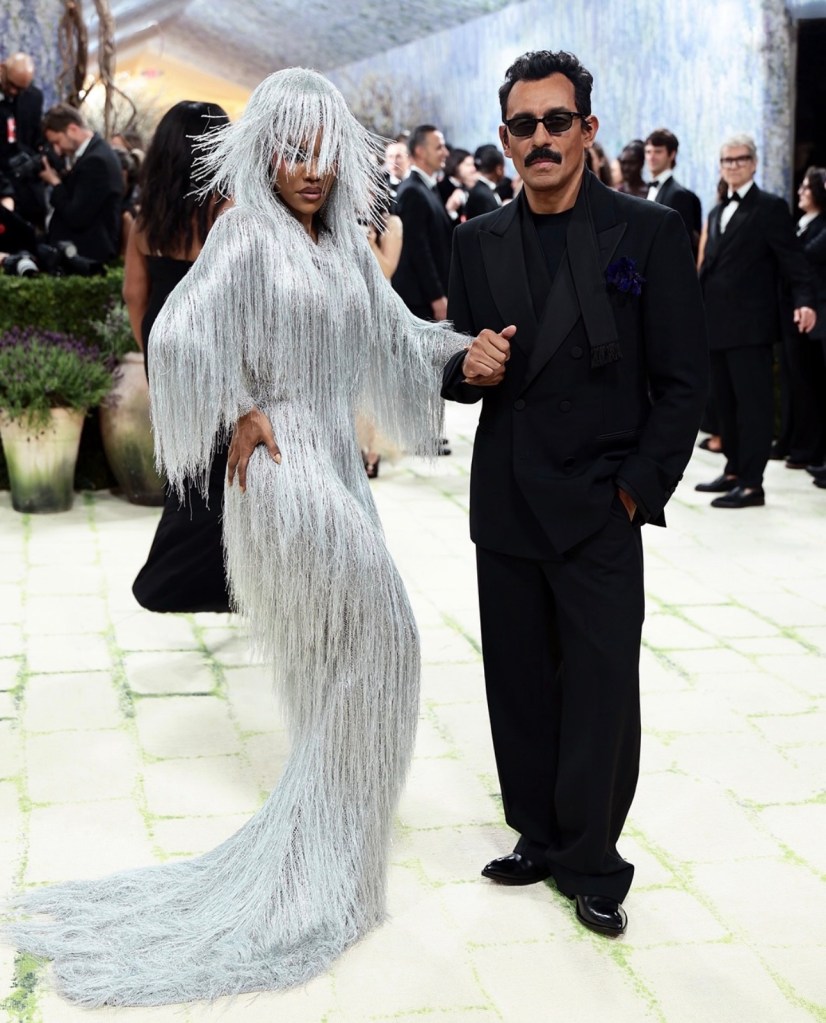
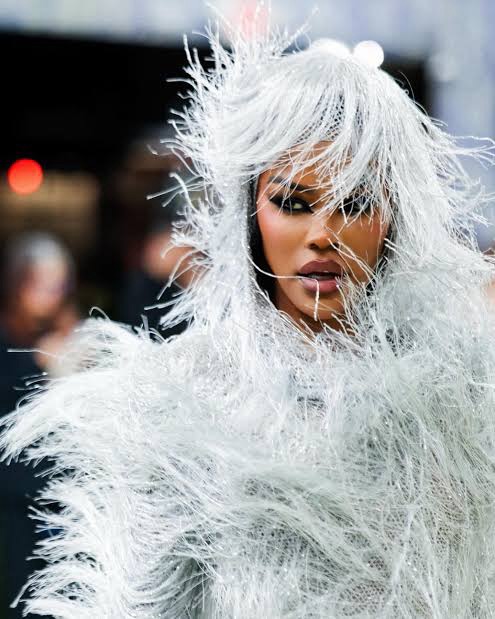
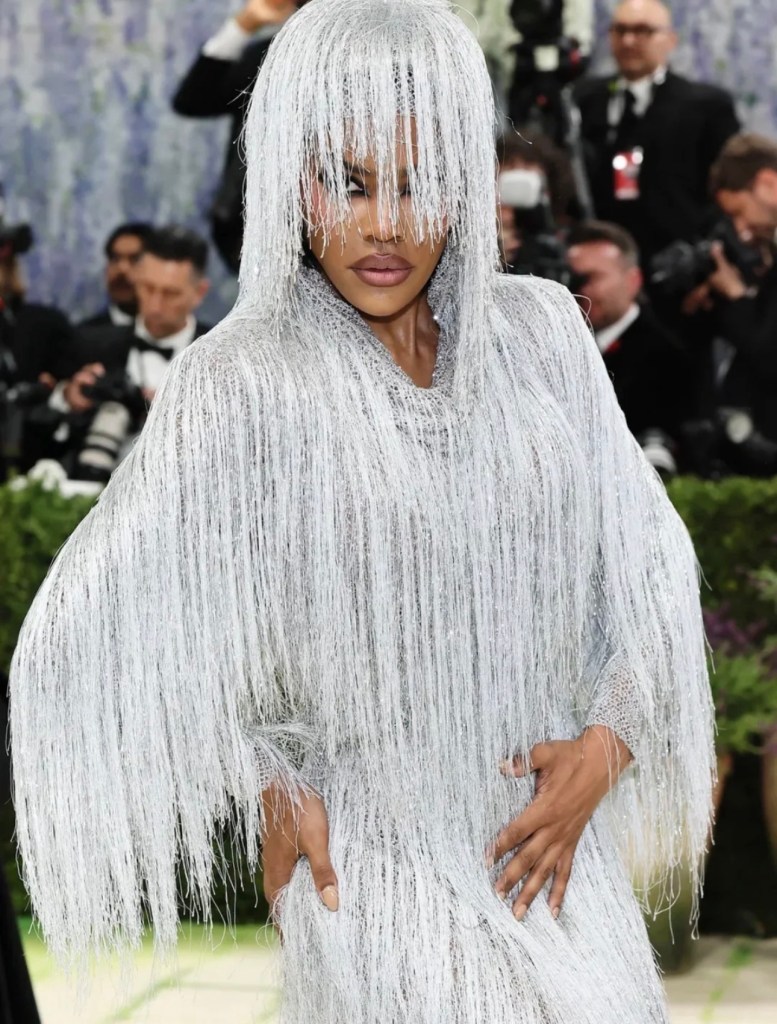
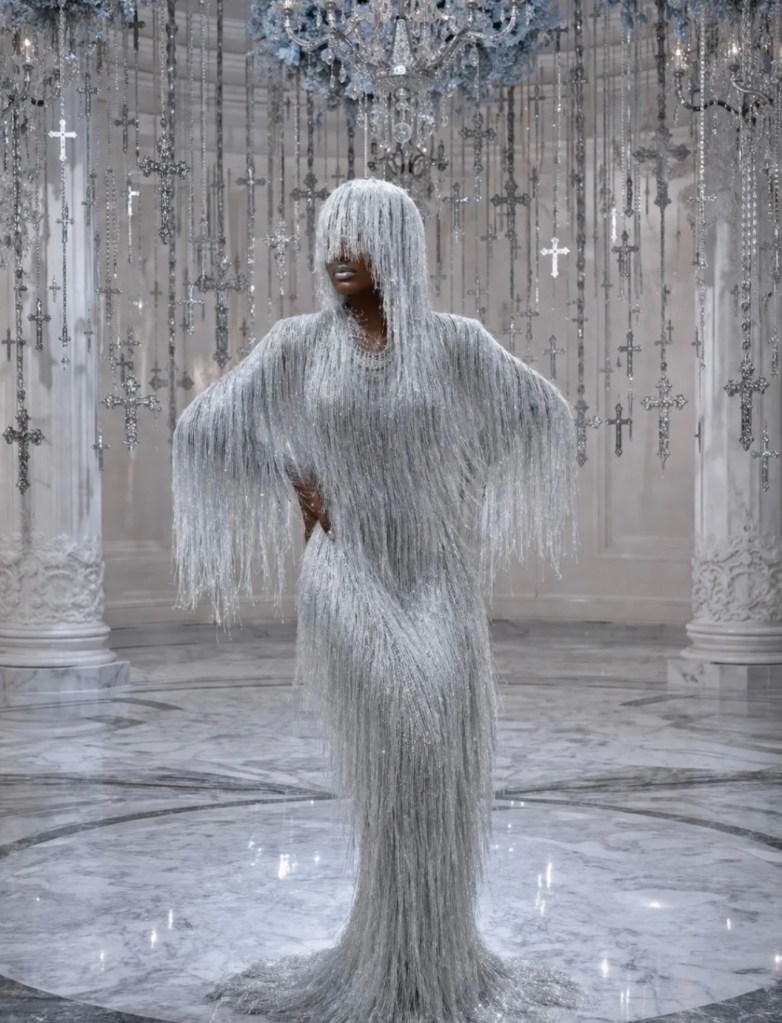
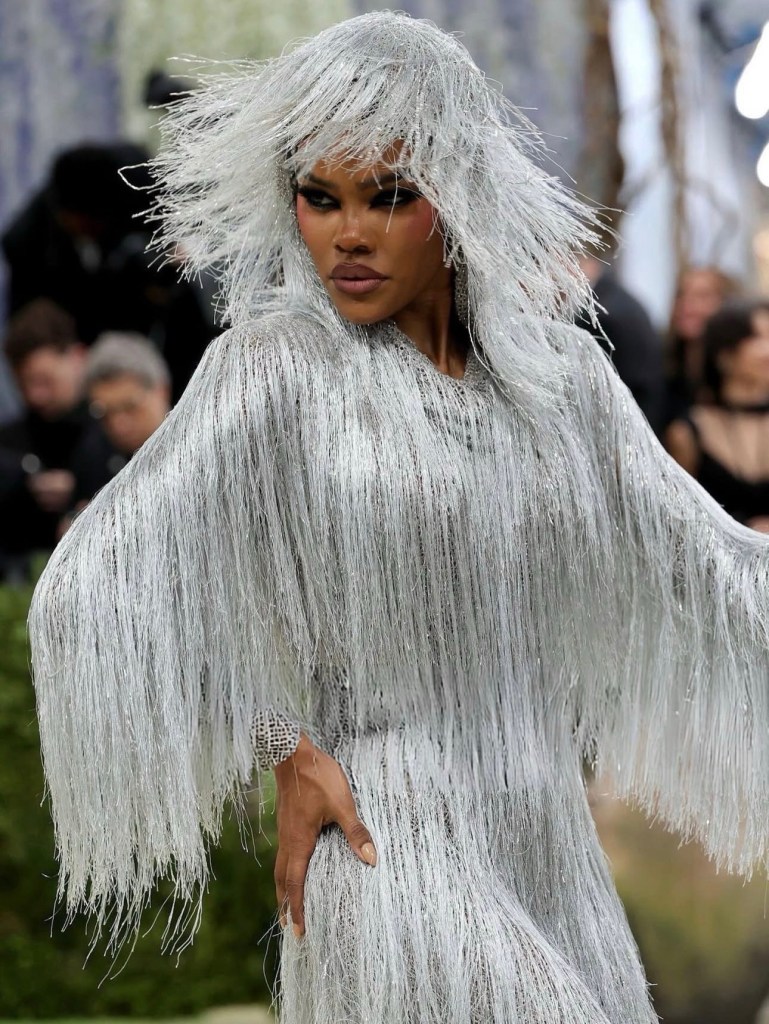
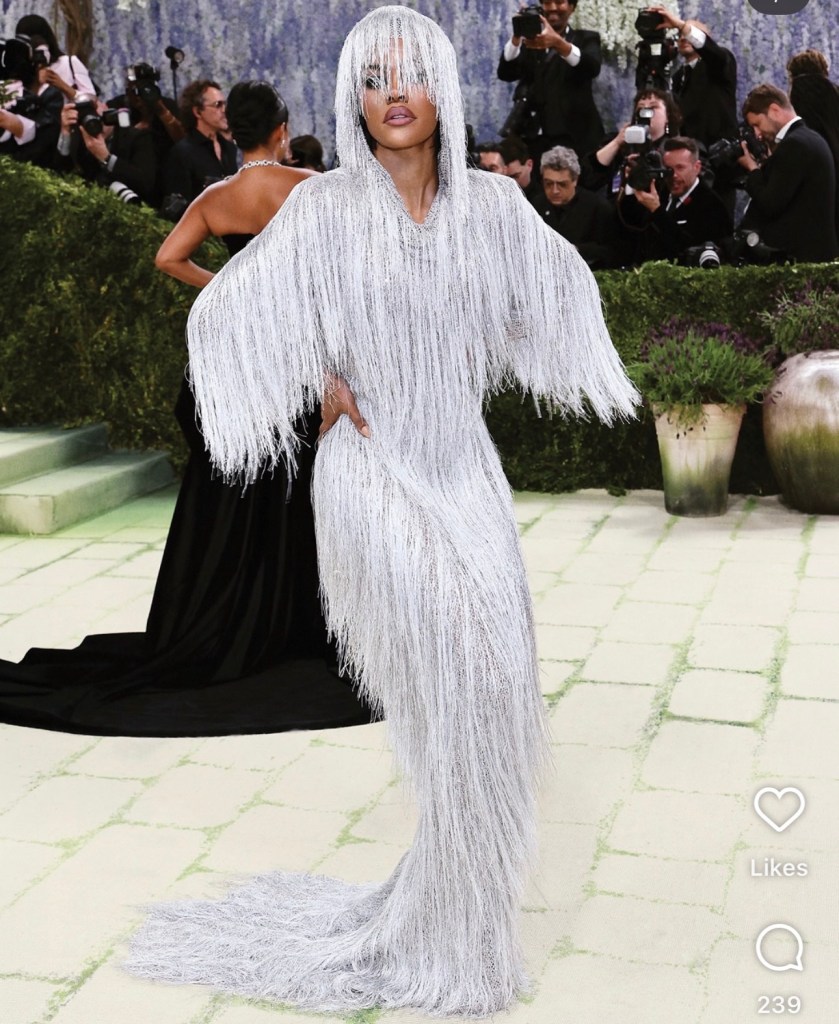
The 2026 Met Gala witnessed Taylor’s influence in its most lucid expression: a collaboration that bridged luminary design with kinetic philosophy. Tayana Taylor arrived as a living sculpture of Costume Art, donning a custom Tom Ford gown reimagined by Haider Ackermann. The piece reads as a statement in motion—a metallic silver chainmail replete with hair-like fringe, deliberately engineered to dissolve into liquid light as she moved. It was a garment that did not merely clothe the body; it animated it, transforming the wearer into a moving work of art whose contours dissolved and reaccreted with every step. The accompanying fringed headdress, cascading to partially veil the face, framed the gaze with a delicate ambiguity—an invitation to lean closer, to lose and find one’s sense of proportion in the shimmer of the metal and the hush of the fringe.
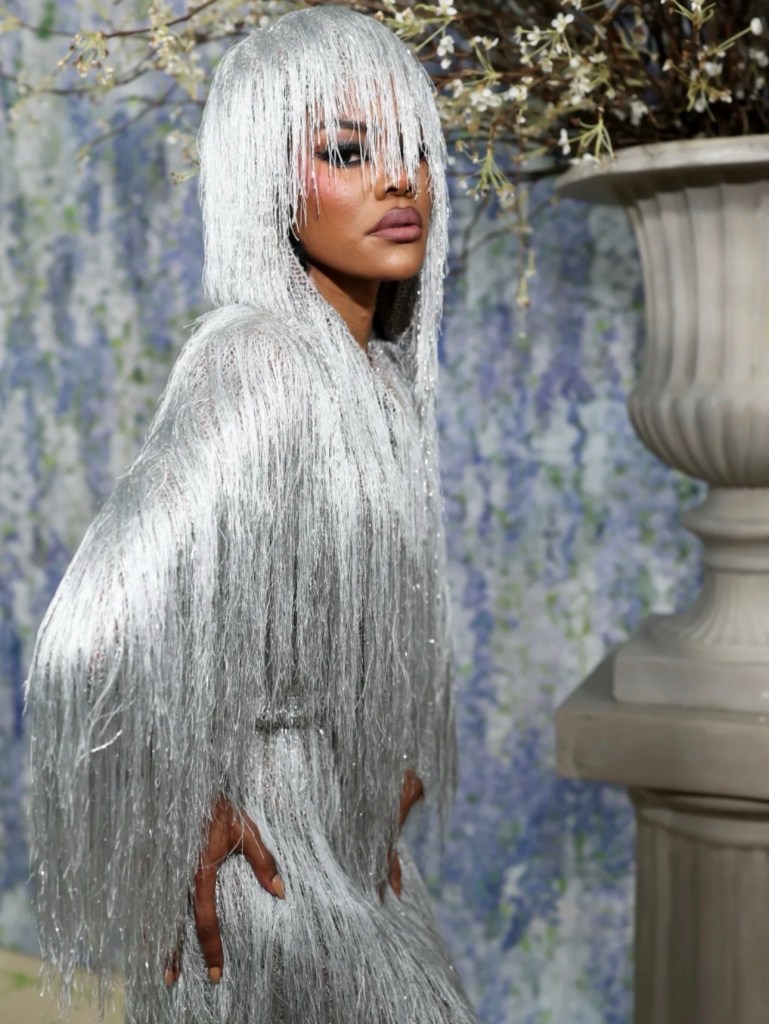
Theme-wise, the look embodies the central claim of Costume Art: the body is the primary sculpture, and movement is the brushstroke. The gown’s surface—mirrored, sculptural, almost weather-worn in its gleam—took on a life of its own as Taylor’s body navigated space. The sense of inevitability in the design—how the gown appears to melt, to liquefy, to fuse with light—renders the wearer both subject and spectacle, a paradox that only high fashion can sustain with such poise. The artistry extends to the makeup of the moment—Yeika Oliva’s shimmering smoky eye, intensified by a bold double wing—an aesthetic punctuation that seals the encounter between dress and demeanor.
Taylor’s energy is the invisible current threading through every fabric choice, every cut, every collaboration. It is the energy of a creator who refuses to let fashion be static; she elevates it to an instrument of experiential storytelling. Her work champions the dynamic human form, turning the dressed body into a narrative device that challenges convention while bowing respectfully to couture’s celebrated lineage. This is not mere display. It is a dialogue between time-honored craft and the insistent tempo of modern imagination—an invitation for audiences to witness fashion as a living theatre where identity, motion, and myth converge.
And then there is the lineage, the sense that Taylor’s brilliance sits within a continuum of pioneers who have shaped what it means for a garment to speak. Her energy—ambitious, generous, fearless—propels partners, muses, and audiences toward a shared horizon, where the boundaries between designer, wearer, and spectator blur into a single, radiant chorus. The 2025 moment—Taylor’s burgundy Ruth E. Carter custom zoot suit with a red cape and feathered hat—demonstrated the same commitment to narrative complexity: a statement that honored heritage while insisting on audacious invention. Five consecutive gala seasons in which Taylor’s vision remains relentlessly aligned with the ethos of the event is not merely a feat of style; it is a proclamation that fashion can be a disciplined pilgrimage toward metamorphosis.
The brilliance of Tayana Taylor, then, rests in the fusion of meticulous craft, fearless storytelling, and an energy that makes the universe feel newly minted each season. Her influence extends beyond the runway and the red carpet; it permeates studios and ateliers, where designers, models, and lovers of beauty collectively feel the pull of a future where imagination is the only true measurement of success. She asks us to look not at what a garment covers, but at how it awakens what we already carry inside—desire, memory, possibility—then asks us to wear that awakening with pride.
In the grand tradition of haute couture, Tayana Taylor writes not just collections but invitations to dream bigger, to trust the alchemy of craft, and to inhabit fashion as a sacred art of living. The world of design and imagination moves with her heartbeat, a beacon guiding us toward a horizon where elegance and audacity are not at odds but are in harmonious ascent—an ascent led by a designer who believes that beauty is a force, and that force, if wielded with care, can illuminate every space it touches.


Leave a Reply