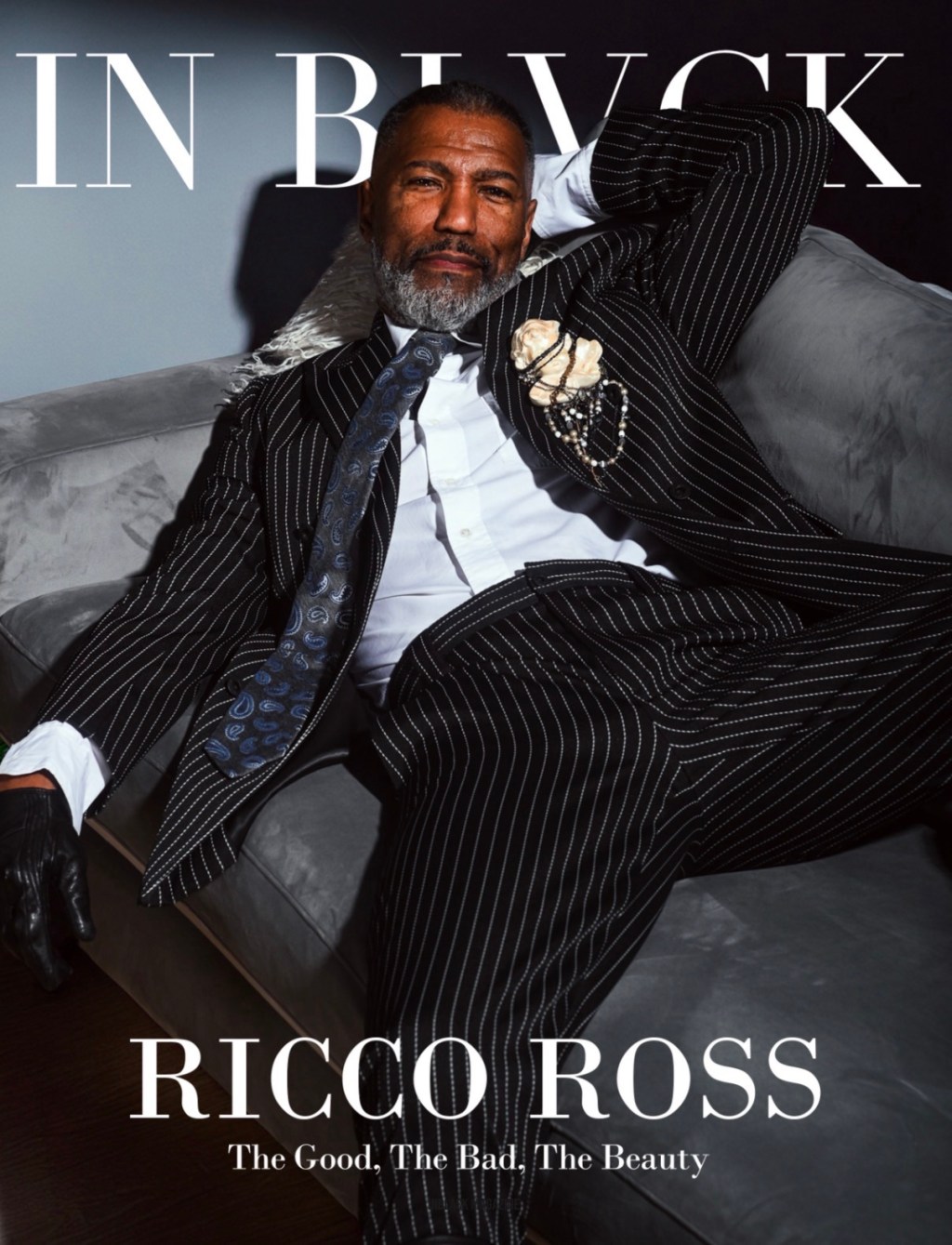
IN BLVCK: The Story Behind the Logo
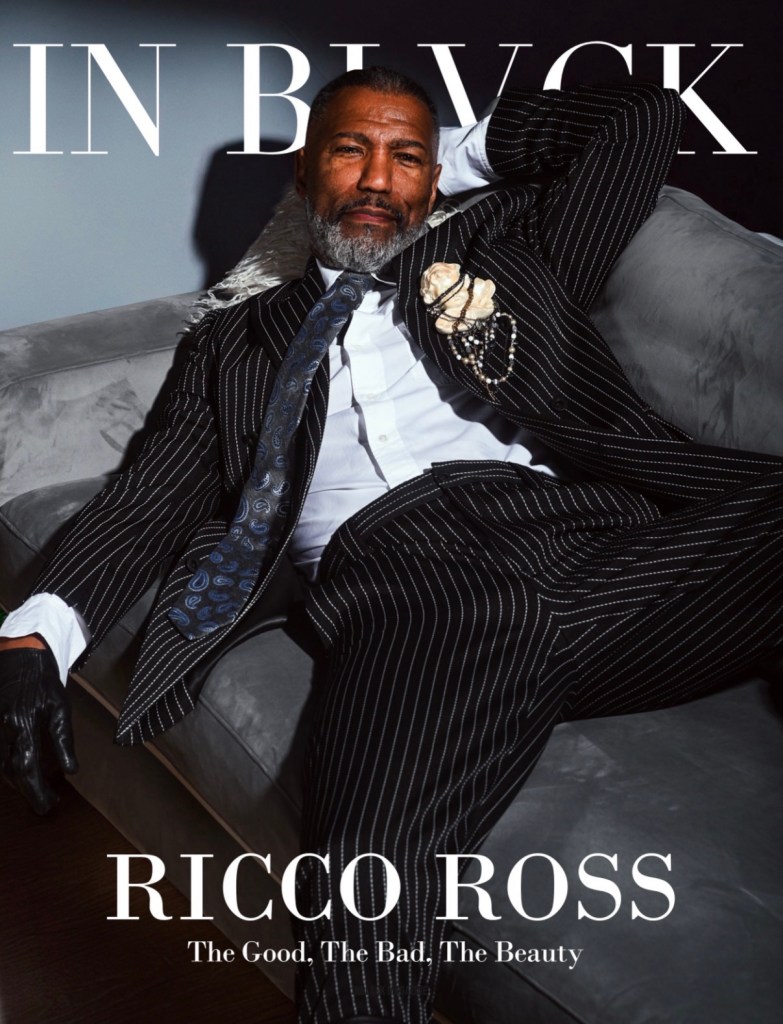
In the early days of hip-hop, before the world learned how to pronounce our culture with respect, we were treated like an inconvenience. The “high society” gatekeepers didn’t just ignore us—they dismissed us. Even magazine stands reflected it. They were full of polished, commercial titles, while Black voices and Black-related topics were treated like something that belonged in the margins, not the mainstream. My father—John Blassingame held an executive position at Hudson News distribution. He was responsible for helping get many Black owned publications on the News Stand.
“IT WAS ALL A DREAM!”
In the early 1980s, New York and New Jersey weren’t just places—we were being shaped by them. We were kids in tough high schools, learning survival in hallways where society rarely offered us the benefit of the doubt. At the beginning of hip-hop, the “high brow” world treated us like a problem—something low, something unrefined. The culture was young, loud, and unapologetic, and the mainstream didn’t know what to do with it.
Magazine stands told the same story. In those rows of glossy certainty—Vogue, Harper’s Bazaar, and the familiar—there was hardly any room for us. Then came the risk.
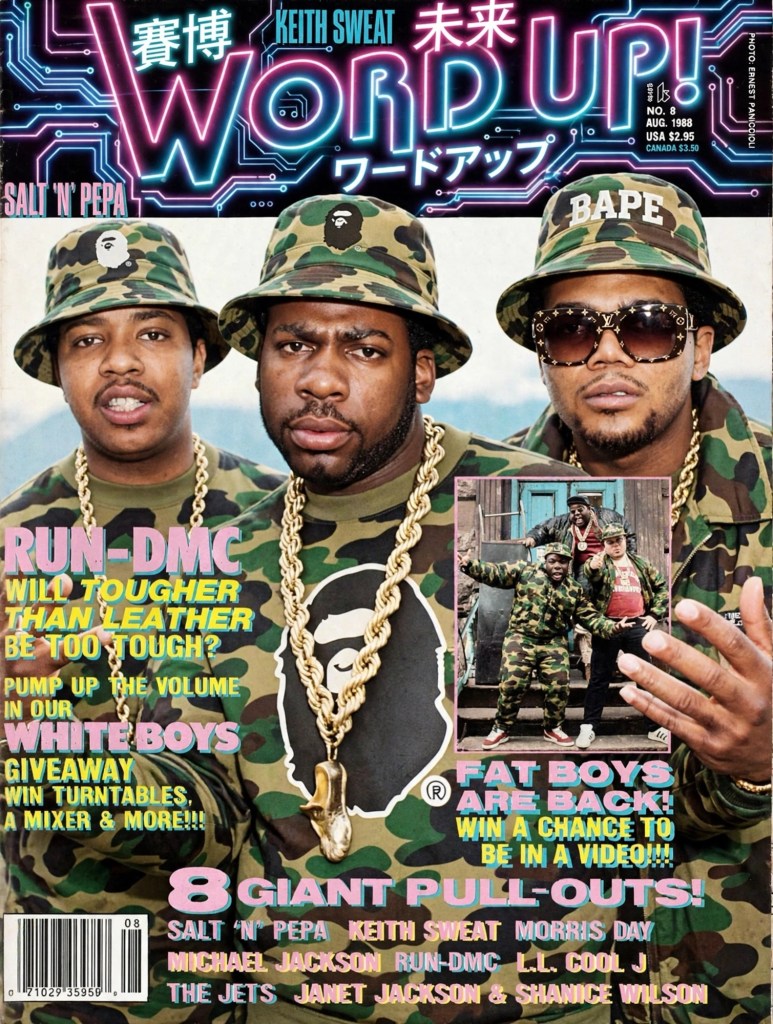
Then from John’s distribution experience came Word Up Magazine—a partnership between the Blassingame Family and Enoble Media— a decision that didn’t just challenge expectations, but tested whether the industry would even allow us to exist. It was a risk in a hostile market. Distributors questioned whether the community even read. But Word Up didn’t only survive. It proved demand, and it helped invent a lane that other people later tried to copy.
When my family and I decided to start Word Up Magazine, it felt like stepping into a courtroom armed with faith. The market didn’t understand the audience. Distributors questioned whether the community even read, as if hunger for culture could not include appetite for journalism. It wasn’t just business skepticism—it was disbelief. But Word Up didn’t merely launch. It proved itself.
It became the first real hip-hop magazine—an audacious move in a hostile publishing environment. And yes, the success mattered, but so did the courage it took to begin. Back then, the idea wasn’t only to report on a movement. It was to announce that the movement deserved space.
“IT WAS ALL A DREAM”
You knew Word Up would go down in history as a legendary staple in CULTURE as it was mentioned in one of the most iconic rappers —the late Notorious B.I.G. songs “Juicy”, a legendary hit that still gets play till this day.
The Black became BLVCK
As time passed, the readers grew—into working men, business owners, fathers, and husbands. The culture matured with them. And that growth created a question: what comes next for the Word Up fan who has moved beyond adolescence?
What would a magazine for men of color look like—something intentional, something built for them, something that didn’t tiptoe around the truth?
At the time, there were magazines like Ebony Man, JET, Noir, Code—titles that circled the taboo word without saying it. They danced around “black” as if naming ourselves were the problem. But naming is how power begins.
So we asked a different question. Why play safe now?
To put the word “Black” in a commercial setting—especially in national distribution—felt like corporate suicide. Places like Hudson News and Barnes & Noble represented the kind of gatekeeping that could choke a brand before it even breathed. Still, rebellion is a tradition. And hip-hop magazine culture had always been built on that tension: refusing to bow, refusing to shrink.
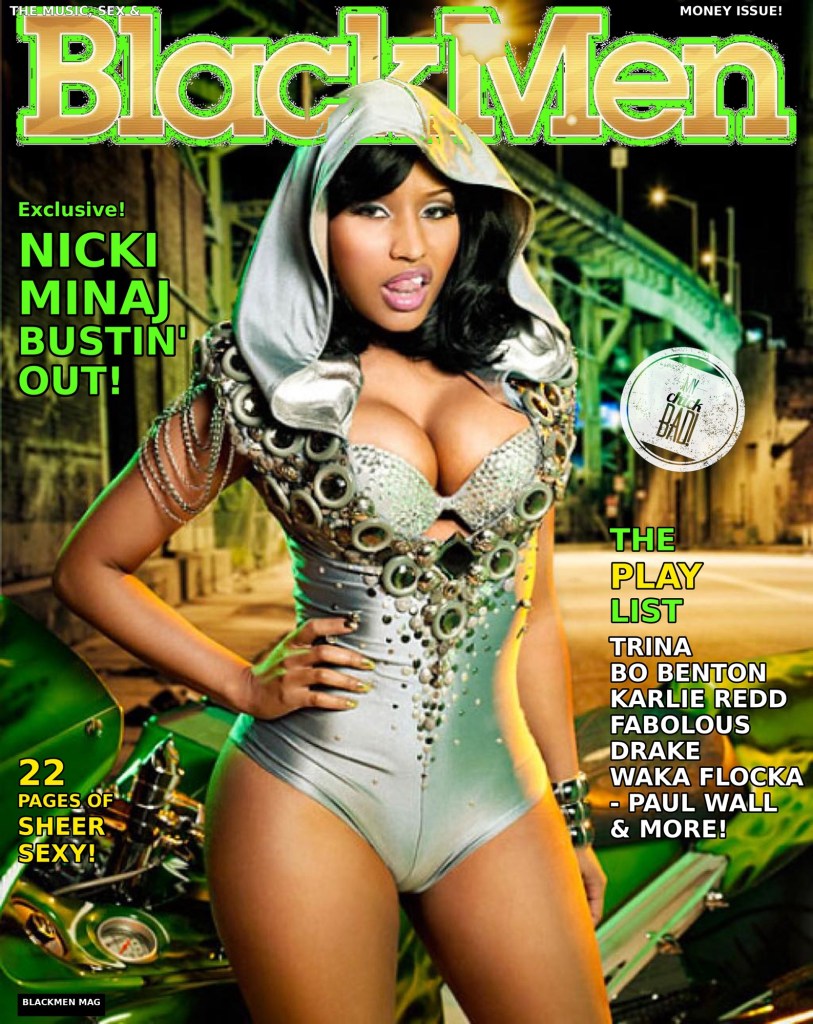
That’s how Black Men Magazine arrived.
And that’s where the story turns to the power of one bold choice: the words “Black Men” in the title.
At the time Black Men Magazine launched, using “Black” as the headline—especially in a commercial, national conversation—was considered taboo. It shocked the very gatekeepers who didn’t want Black topics centered, didn’t want Black people made visible, and most of all didn’t want the word itself placed front and center on national newsstands. The risk wasn’t just marketing. It was cultural defiance.
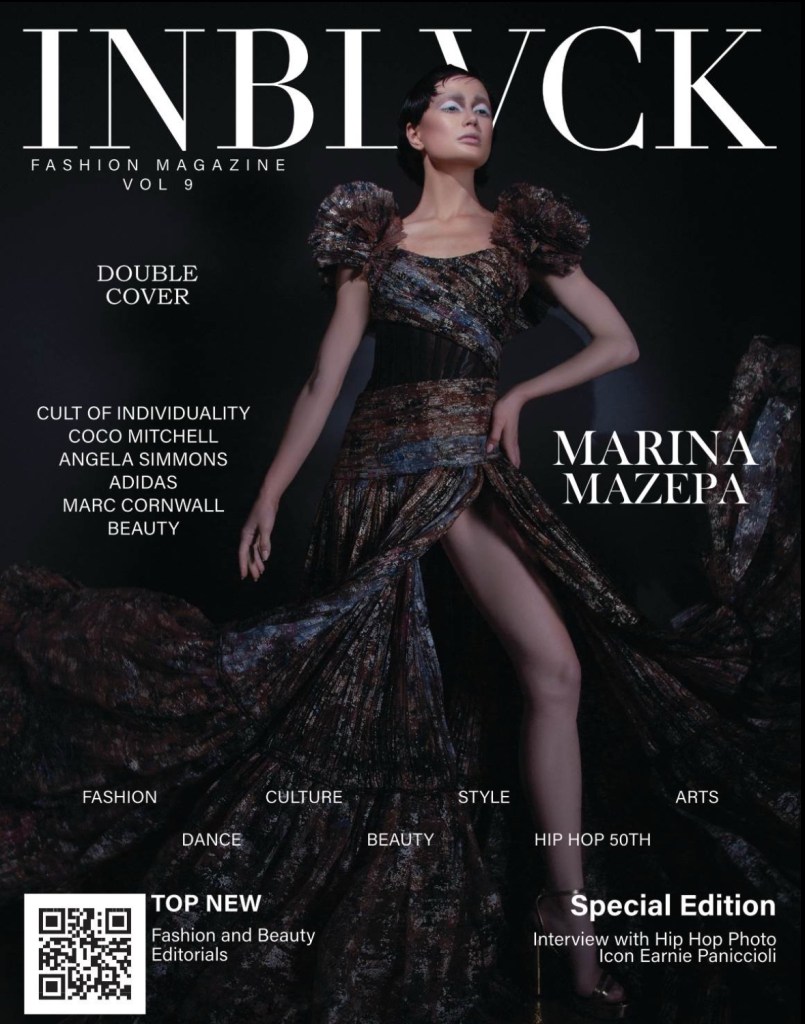
How the “A” became a “V”—and why it matters
In IN BLVCK, the “A” in the word Black is rotated into the “V.” It represents the exact moment we turned the editorial world upside down—when we decided to rebel and make Black the title of the magazine on national newsstands. We didn’t simply ask to be included; we reversed what was expected, what was allowed, and who got to lead the conversation. That “about-face” is carried forward in the logo as a design statement with memory.
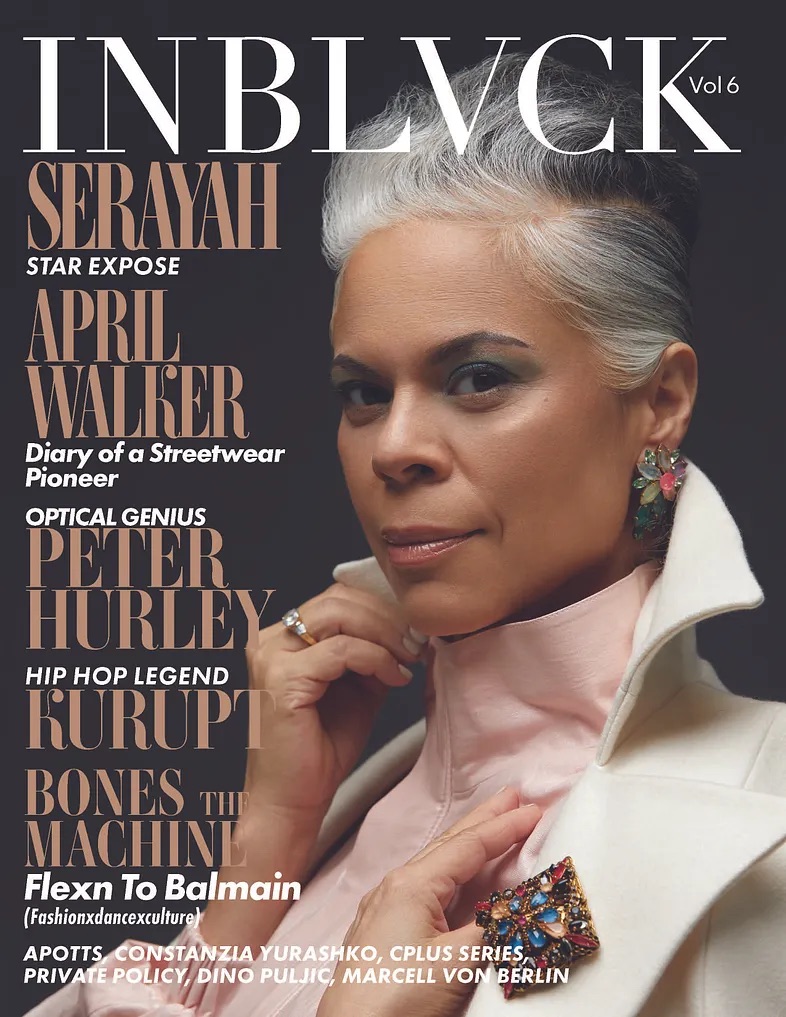
Black Men Magazine became impactful because it disrupted the industry’s idea of who culture was for. It went international. It dominated attention in a way that forced others to adapt. In hindsight, it wasn’t just influential—it was market-making. Other publications didn’t just copy a format; they copied a reality we proved could exist.
That’s what made IN BLVCK significant: it doesn’t escape that legacy—it refines it.
Even when the title includes “Black,” IN BLACK was never meant to be a “Black magazine.” In fashion, we understand black as elegance: black tie, black tuxedos, black cocktail dresses. Black is a standard of style. It’s why someone can genuinely say, “You look good in IN BLACK”—an endearment rooted in refinement, not in reducing the brand to race.
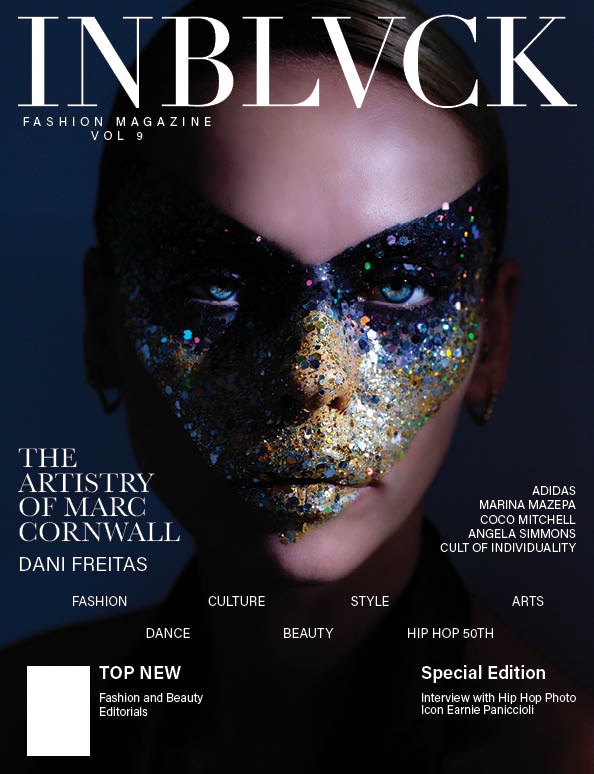
YES, IN BLVCK IS A FASHION MAGAZINE
The publisher Marcus G Blassingame is a style architect who has successfully built brands via his experience in styling featured in Vogue, Elle, Glamour and L’officiele, several music and entertainment titles, being a fashion editor, celebrity image orchestrator and talent development for network TV and print alike.
The cross between New York street culture and Haute Couture style defines a unique approach to fashion publishing (A one can wonder why A$AP Rocky is a face of Chanel? “Like minds”) it develops a savvy approach to INCLUSION and UNITY of citizens GLOBALLY.
So IN BLACK becomes something broader than a label. It’s a diverse media platform that provides media for all races, all genders, and all walks of life. It’s built to bridge cultures—under one love. Under the same wardrobe of excellence.
Our mantra says it plainly: IN LIFE, IN LOVE, IN BLACK.
It’s the feeling of looking your best while enjoying life, honoring family, and sharing romance with elegance.
Caucasian. Asian. Latin. African. Mixed.
We all look good IN BLACK.
And that’s why IN BLVCK works. It carries forward the power of naming ourselves boldly—the rebellion that turned gatekeeping into headlines—while expanding the invitation so everyone can stand in the light.
We started Word Up because nothing else replaced that magazine function: structure, taste, credibility, and an editorial infrastructure built on seasoned journalists, seasoned photographers, and editors who understand how to tell the truth—visually and culturally.
The internet may be faster, but it’s not always disciplined. It’s unregulated. Too much of what moves through it lacks context. Too much of it can’t be trusted. Celebrities don’t build their image on random feeds—they trust editorial craft, because editorial craft organizes culture instead of merely scattering it.
So IN BLVCK exists for the same reason we started in the first place: because no one else will do it with the same understanding, the same urgency, the same taste, and the same respect.
We weren’t given a seat at the table.
So we built a publication.
~Marcus G Blassingame


Leave a Reply