Tracy’s Porch: A Measured Canticle of Trauma, Forgiveness, and Quiet Redemption

Article By Marcus G Blassingame
In a cinema landscape prone to roar, Tracy’s Porch arrives as a whisper that resists clamour—20 minutes of intimate gravity, where every breath and pause matters. This taut, character-driven drama crafts its arc not through spectacle, but through the patient breathing of two lives pressed against one another by memory, regret, and the stubborn ache of hope. A single, exquisitely charged conversation becomes the fulcrum upon which past and future tilt, offering a doorway where healing, fragile yet radiant, might just be possible.
A Subtle Mastery of Restraint
From the outset, Tracy’s Porch invites us into a room where light, sound, and expression do the heavy lifting. The premise—an accident that reshapes a father’s path, a return to a fractured domestic landscape, and a conversation charged with consequence—could easily spiral into melodrama. Instead, the film refines its atmosphere into a lucid quiet, where the worth of a moment is measured by how accurately it renders a life’s ache. Visuals recede into a measured stillness, and what remains are faces mapped by years, eyes that glimpse and glisten, and the tremor of a truth finally given room to breathe.
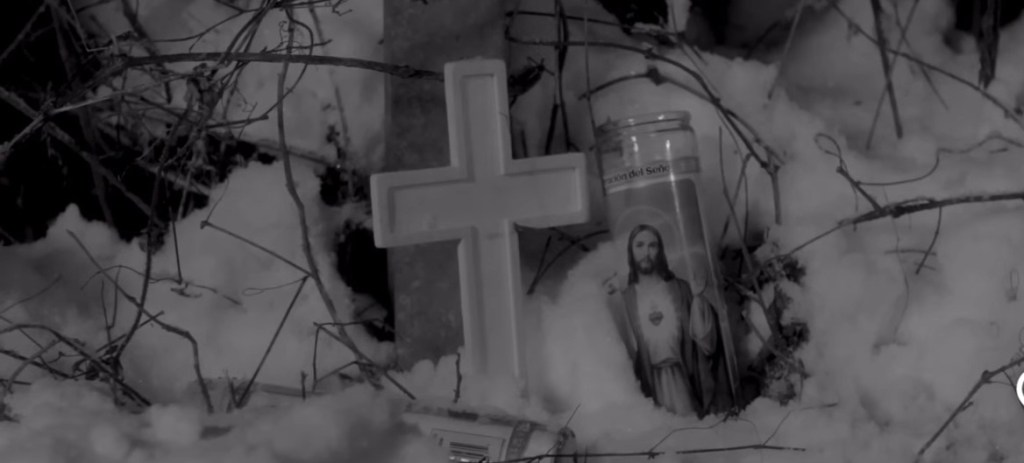
VIEW THE TRAILER
The cast moves with a precision that borders on musicality: sentences arrive with intention, silences carry meaning, and the slow unfurling of buried truths feels less like confrontation and more like exhalation after a long held breath. It is in these deliberate contours that the film’s humanity gathers, luminous and unforced, inviting viewers to witness the transformation that confession itself can enact.
The Logline as a Portico into the Heart
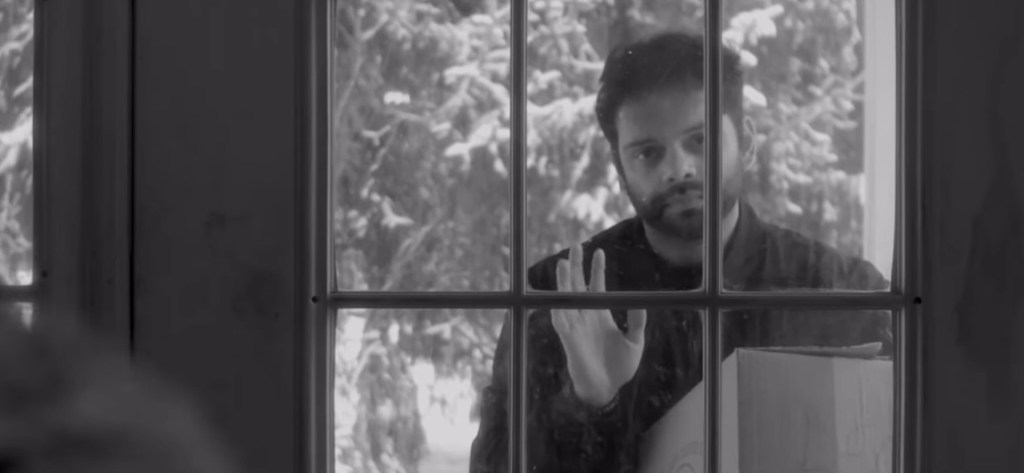
A troubled father, after a life-altering accident, confronts his ex-wife in a single, tense conversation that tests the boundaries of forgiveness and redemption.
This logline does more than summarize plot—it maps the emotional geography of the film. A moment, poised on the edge of consequence, becomes a crucible in which decades of decisions, losses, and the fragile possibility of repair converge. There is no melodrama here, only the aching authenticity of a moment that could alter the weather of a life.
Thematic Gravity: Trauma, Addiction, and the Integrity of Forgiveness
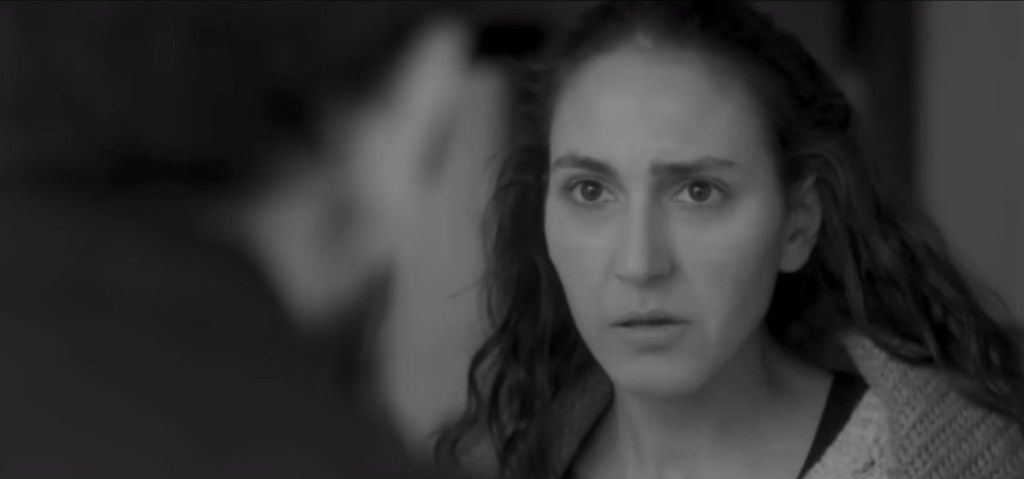
Tracy’s Porch refuses easy answers while offering a formidable invitation: to consider how those who have harmed might seek repair without diminishing their humanity, and how the injured might hold space for healing without erasing the hurt that time has etched into their skin. The screenplay threads through themes familiar to readers of family drama, but it does so with a tenderness that refuses to sensationalize suffering.
Trauma is shown as a shared weather system, not a solitary storm.
Addiction’s collateral damage is treated with unflinching honesty, never sensationalized.
The conversation becomes a threshold—delicate, almost translucent—through which healing might pass if each character dares to be courageous.
The film does not pretend to dispense final verdicts; it extends an invitation to believe that damage can be transmuted into a conduit toward understanding, empathy, and renewed connection.
Craft as Compassion: A Sublime Synthesis of Form and Feeling
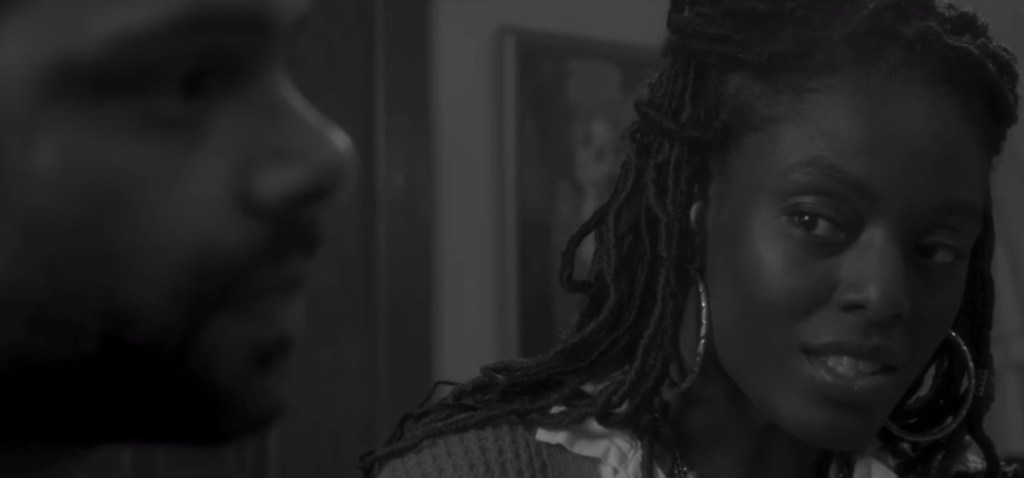
Tracy’s Porch demonstrates that form is not decorative but indispensable to truth-telling. The restrained visuals, the measured pacing, and the unwavering focus on performance are not stylistic flourish; they are instruments finely tuned to illuminate the inner lives of the characters.
Cinematography: Intimate framing that lingers on micro-expressions, turning small gestures into large revelations.
Sound Design: Subtle, aching textures that cradle the dialogue, suggesting a room’s breathing without crowding the voices at its center.
Editing: A patient rhythm that grants forgiveness its time to arrive, ensuring that each syllable and silences’ weight feels earned.
Together, these choices forge a sense of immediacy—the viewer is present in the moment, not watching a reconstruction of events, but witnessing the human threshold where pain dilates into possible forgiveness.
The Creative Pact: Team and Perspective
Written & Directed By: Davion M. Frieson
Produced By: Davion M. Frieson & Nick Palmer
Director of Photography: Nick Palmer
Edited By: Nick Palmer
Associate Producer: Gabby Galgano
Sound/G&E: Matthew Connolly
Frieson’s vision sits in intimate harmony with Palmer’s dual role as director of photography and editor, a collaboration that choreographs visuals and tempo to serve the film’s human core. The result is a unified sensibility in which every frame, every cut, and every breath aligns with the narrative’s indispensable truth.
Accolades: A Quiet Reverberation
Best First-Time Director — Best Actor & Director Awards (New York)
Best First-Time Director
These recognitions, though succinct, herald a resonance that extends beyond Tracy’s Porch’s compact running time. They signal a film that speaks with uncommon maturity about the work of forgiveness and the possibility of redemption.
Director’s Ethos: A Compass Toward Light
“Tracy’s Porch shows how addiction touches loved ones and the work to forgive ourselves before seeking forgiveness from others. There is light beyond the darkest tunnels if we keep fighting.”
This declaration threads through the film as a quiet beacon. It does not glamorize pain, but it honors the stubborn, often unfashionable courage required to move toward forgiveness. The narrative’s hopeful throughline is neither naive nor facile; it is a restrained optimism born of hard-won experience.
Why Tracy’s Porch Deserves a Place in Curated Programs and Critical Discourse
For audiences: An exquisitely intimate experience that challenges empathy and rewards attentive listening.
For programmers and critics: A singular centerpiece for programs that prize character-driven realism, psychological depth, and the ethics of forgiveness.
For media partners: A poised, elegant catalyst for conversations about intergenerational trauma, responsibility, and the quiet alchemy of redemption.
If you seek a film that treats pain with the reverence it deserves and offers a pathway from rupture to recalibration, Tracy’s Porch stands as a refined invitation. In its measured cadence and luminous restraint, it asks not for a verdict but for a willing heart: to witness, to reflect, and perhaps to believe that, even from the darkest tunnels, a path toward light can emerge—one patient, beautifully spoken line at a time.
The principal ensemble cast for Tracy’s Porch includes the following actors:
- Simbal Karma
- Soraya Schwarzenecker
- Surayyah Odwin
- Raguel
- Janiyha Blassingame
- Isabel Rivera
- Destiny Barley [1]
Key Collaborators
- Gabby Galgano
- Nick Palmer
- Kat Blade (Casting Director / Producer)
THE TRACY’S PORCH PREMIER
The world premiere of Tracy’s Porch took place as a special, independent event was presented by Metro Vision Films:
- Date: Saturday, May 30, 2026
- Time: 2:30 PM
- Location: Anthology Film Archives located at 32 2nd Ave, New York, NY 10003 [1, 2, 3]











Leave a comment