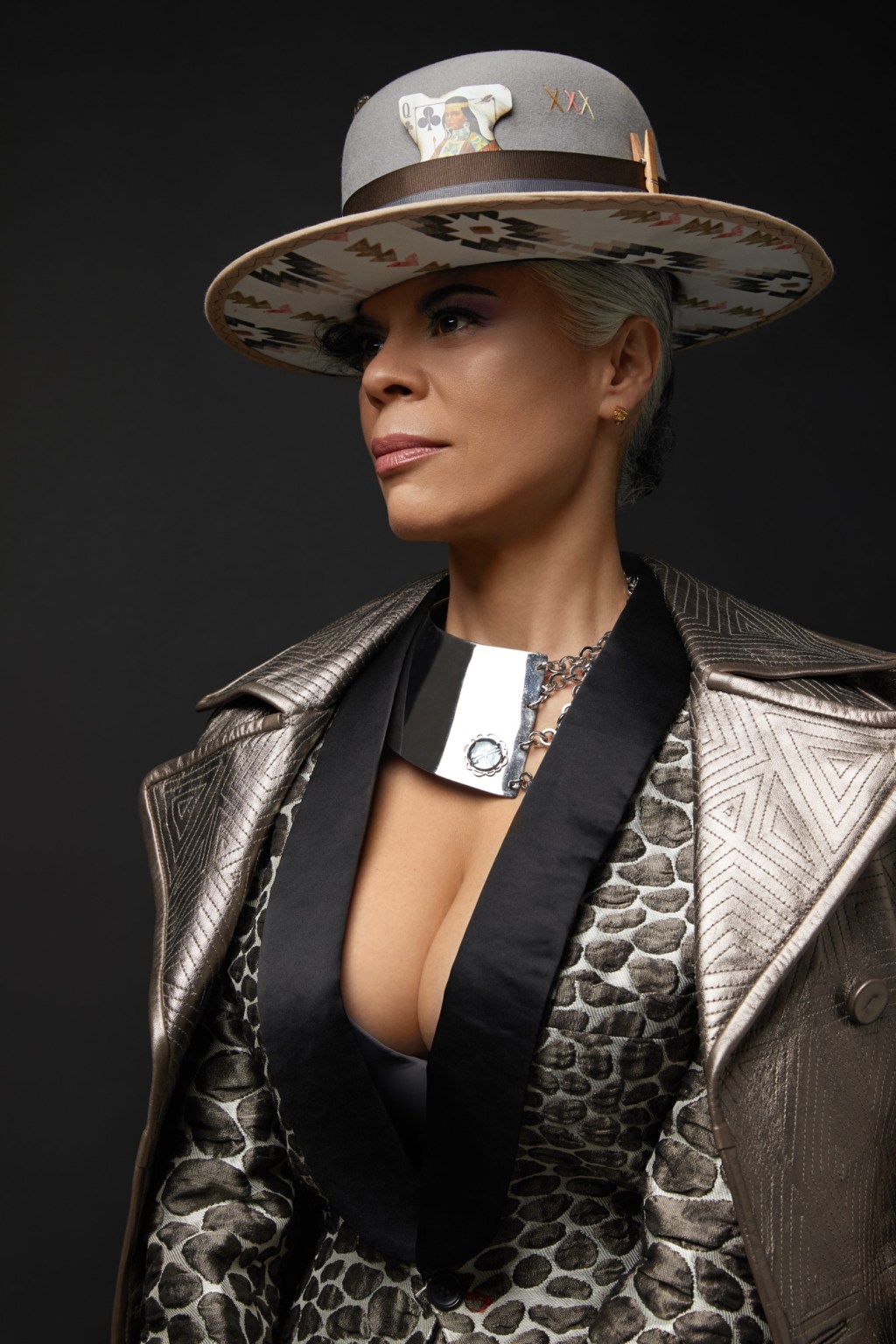
NECESSARY REBELLION
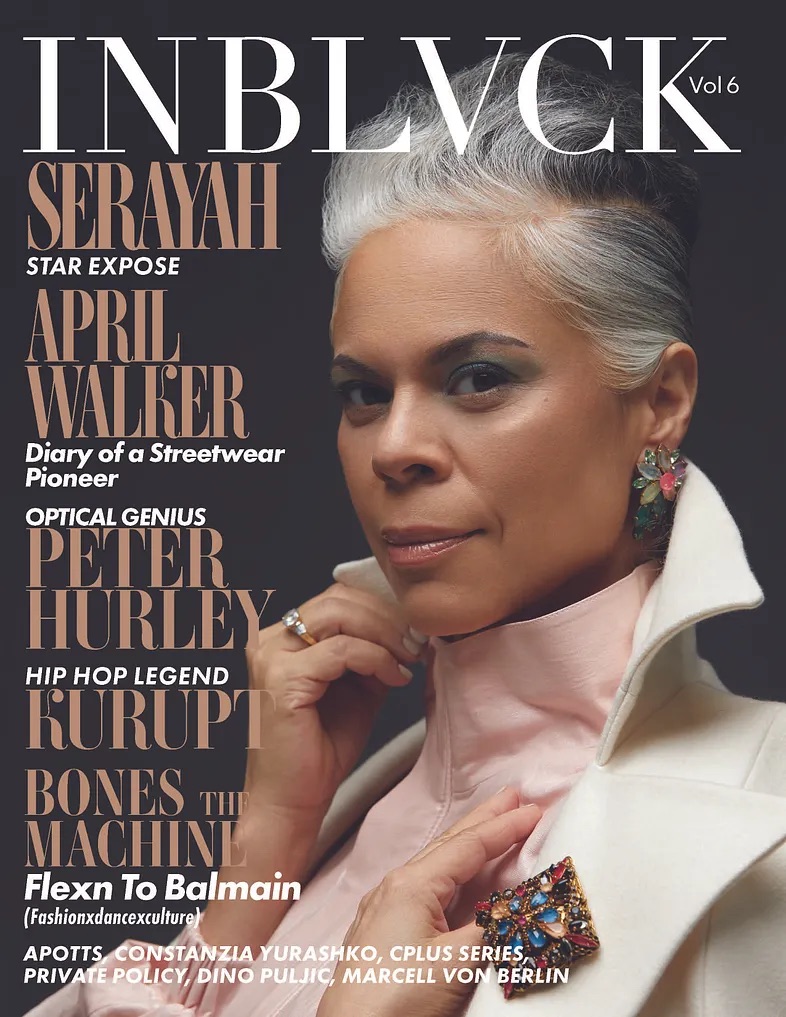
By Marcus G Blassingame
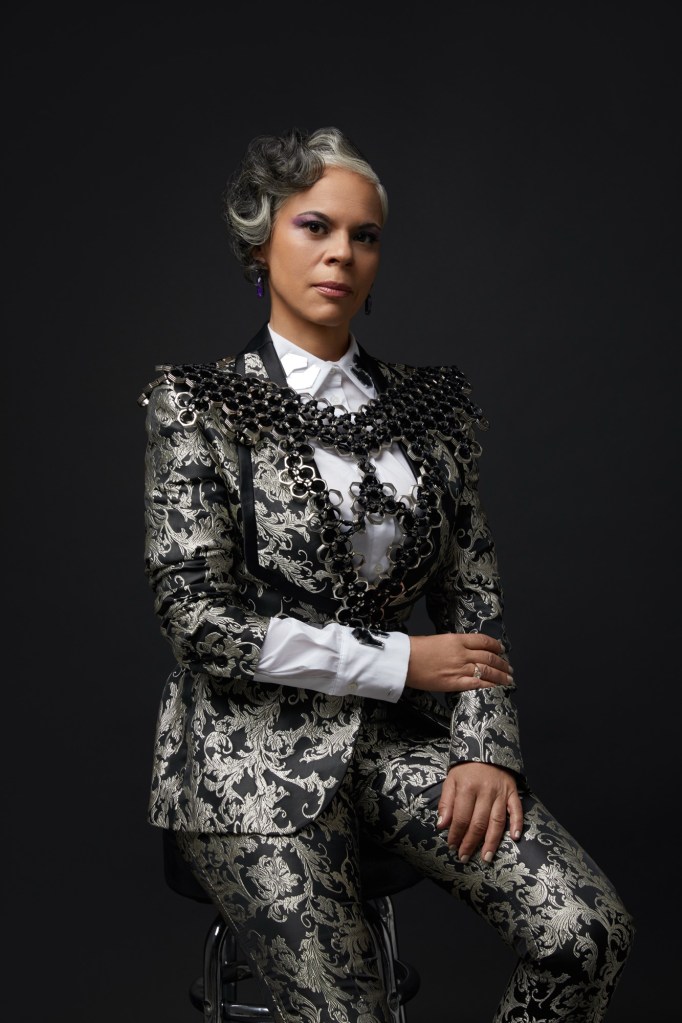
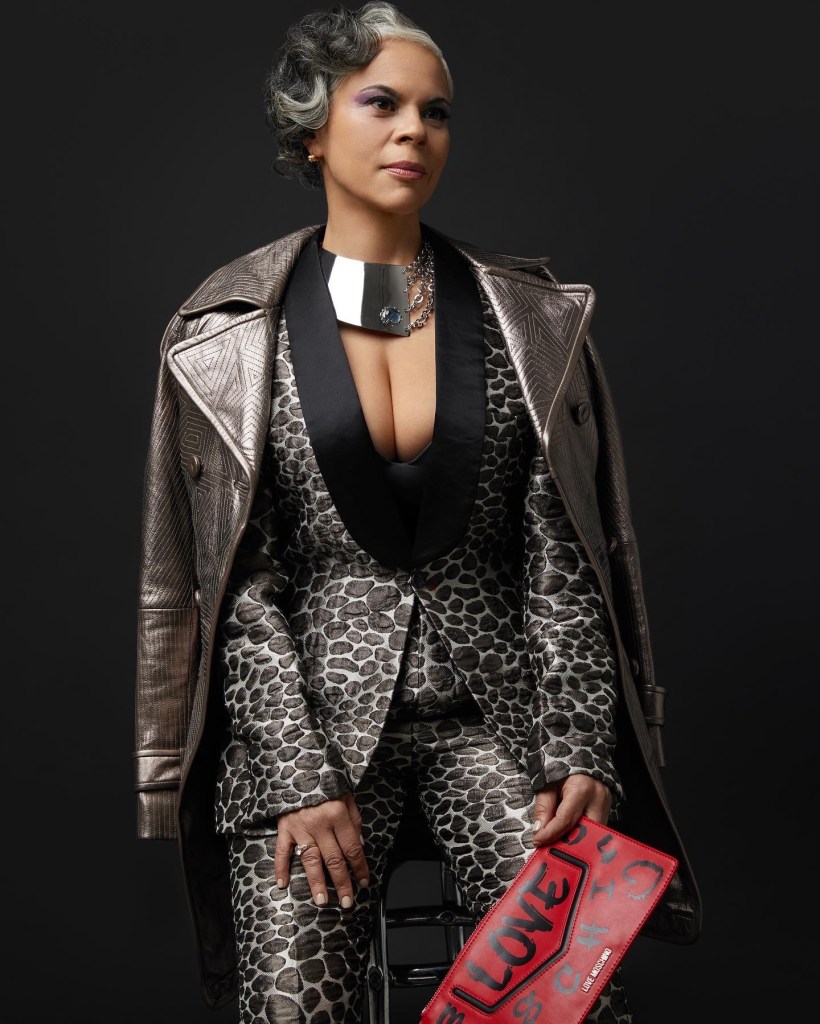
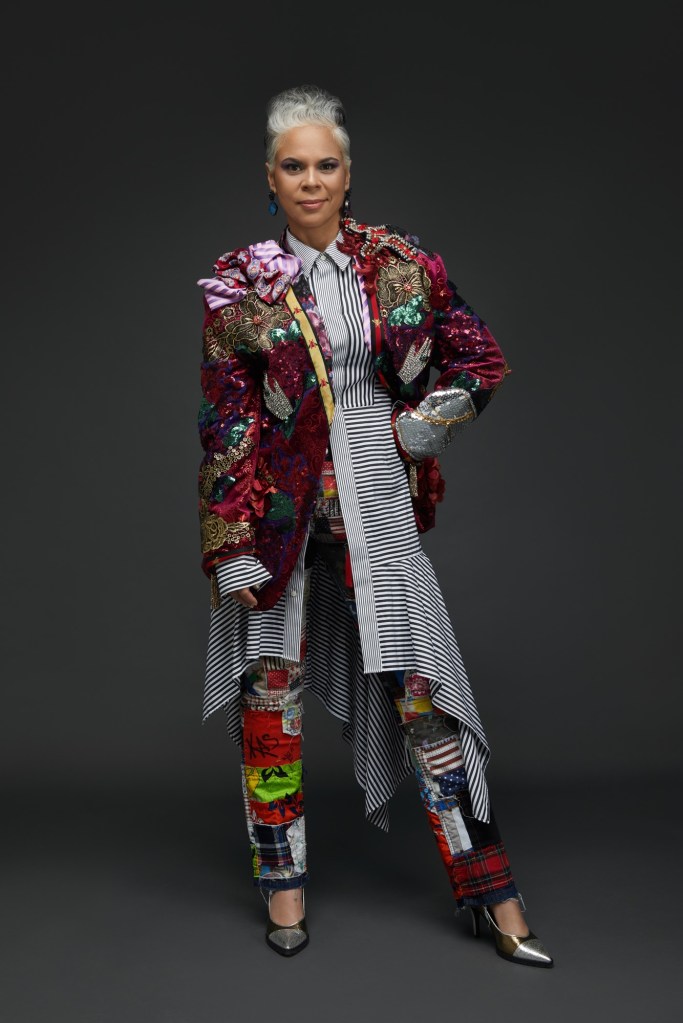
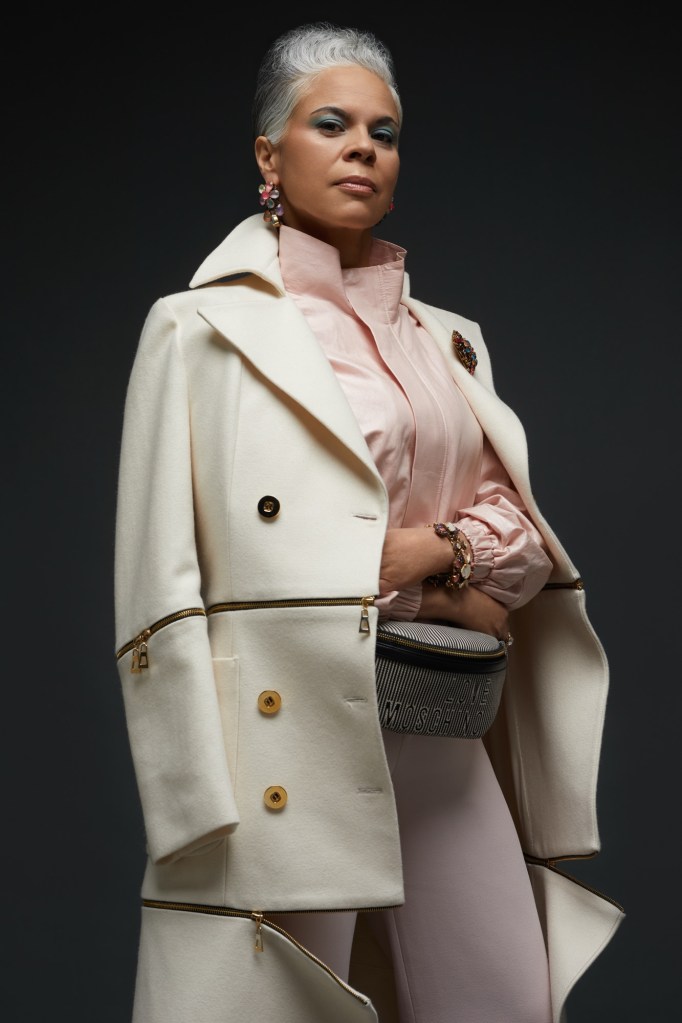
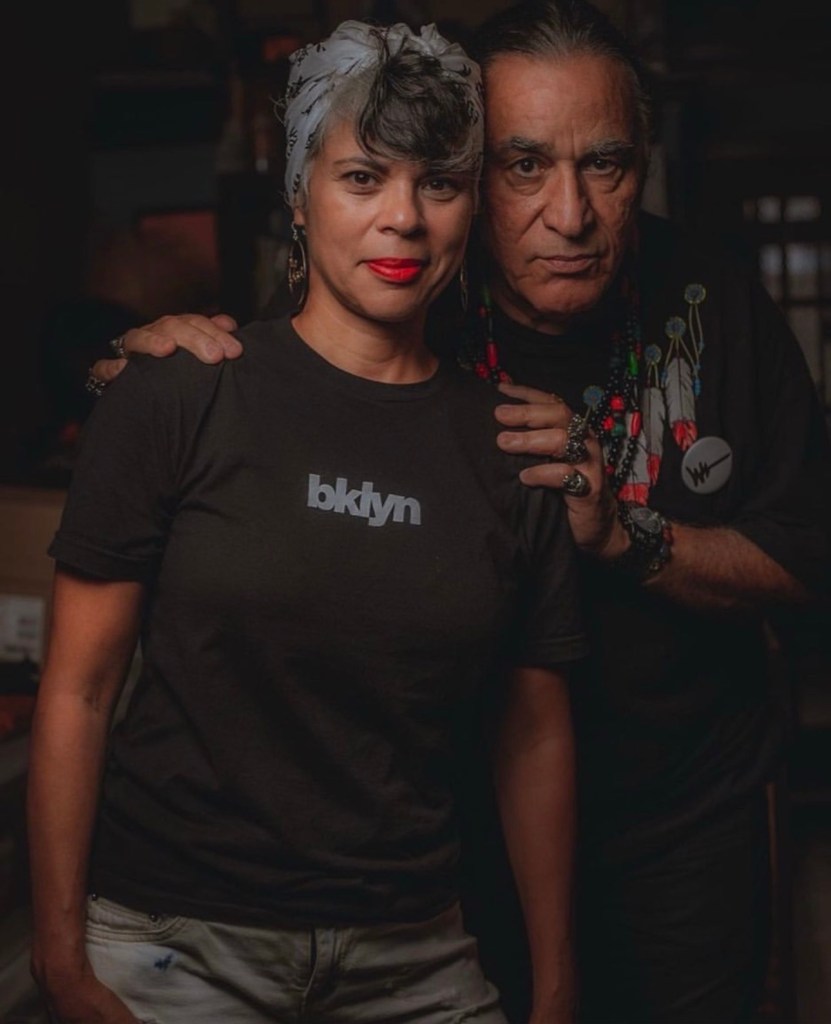
Though this interview was conducted in 2022, the story, legacy, and lessons it conveys deserve to be reintroduced and preserved for generations to come. This remarkable reimagination of a classic feature by Marcus G. Blassingame stands as a pivotal moment in the realms of culture, fashion, and hip hop. April Walker, the visionary disruptor, undeniably embodies the spirit of a pioneer in streetwear. Her influence continues to resonate, making her journey essential to the narrative of contemporary style and expression.
The Journey Of Culture Through Necessary Rebellion
In the early 1980s—when hip-hop was still in its tender beginnings—a young teenager in Brooklyn began supplying the community with more than style; she supplied identity. Through her independently owned boutique, Fashion In Effect, she helped people recognize and celebrate the energy of the culture.
The shop was known for bold, custom artwork—silkscreen and airbrush designs on T-shirts, denim, sweatshirts, and even made-to-order denim suits. At the center of it all was the boutique’s unmistakable logo: a dog with the same vibe and flair as Flava Flav of Public Enemy—sporting a snapback, gold teeth engraved with FIE, and a striking clock necklace.
By understanding the market and listening to the neighborhood, Fashion In Effect quickly became a cornerstone of the community—an essential stop for anyone seeking the right look. Today, the name is carried with pride by its legendary owner, April Walker, and the team that built a lasting legacy through style and culture.
“BEFORE HYPE BEAST, COMPLEX, SUPREME, BAPE AND LOUIS VUITTON, THE LEGACY OF STREETWEAR HAS A STORY NOT TO BE SILENCED. THE CULTURE HAS A VOICE, A REBEL, A DISRUPTOR: APRIL WALKER”
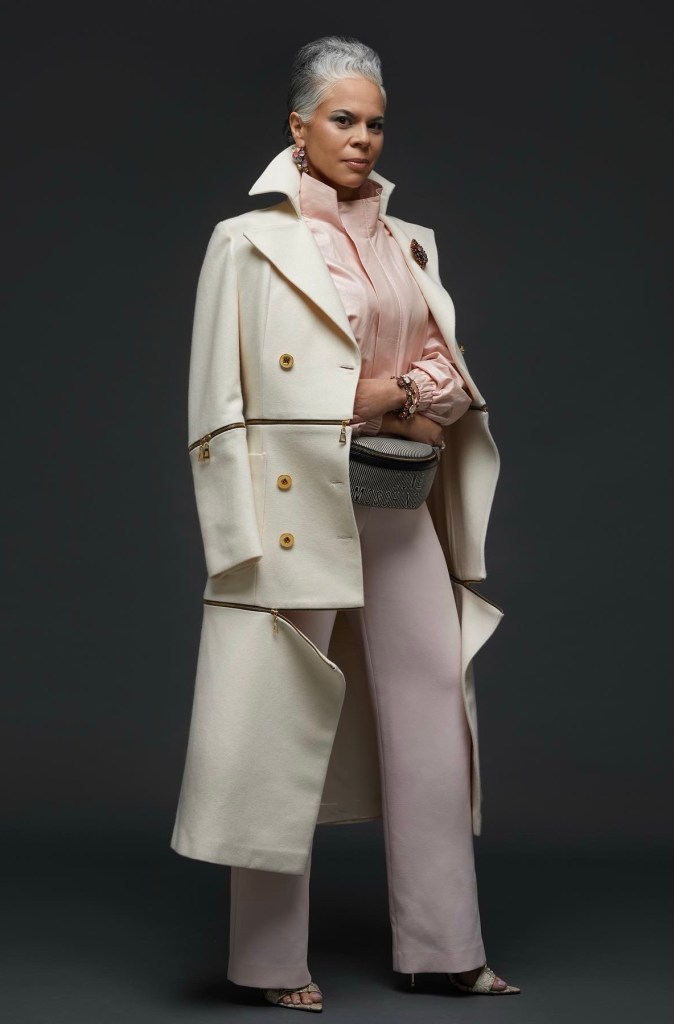
“The customer always carried more than just belongings—they carried the weight of the culture in their pockets. That detail became part of our design language. By listening closely to what the community needed, we built from a simple idea: create pieces that couldn’t be found on the shelves of that era”.
“So when I eventually set off on my own from Fashion In Effect, we carried forward the same customer-first template. We designed with intention, using items and styles that weren’t widely available in stores at the time. Back then, hip-hop didn’t have real representation in retail—so we answered the gap and met the demand head-on.”
Through growth, trial, and a constant willingness to learn, we sharpened our craft and our business. And as we expanded, we opened a private tailoring division, dressing artists like Jodeci and others—work that felt personal, precise, and unmistakably ours.
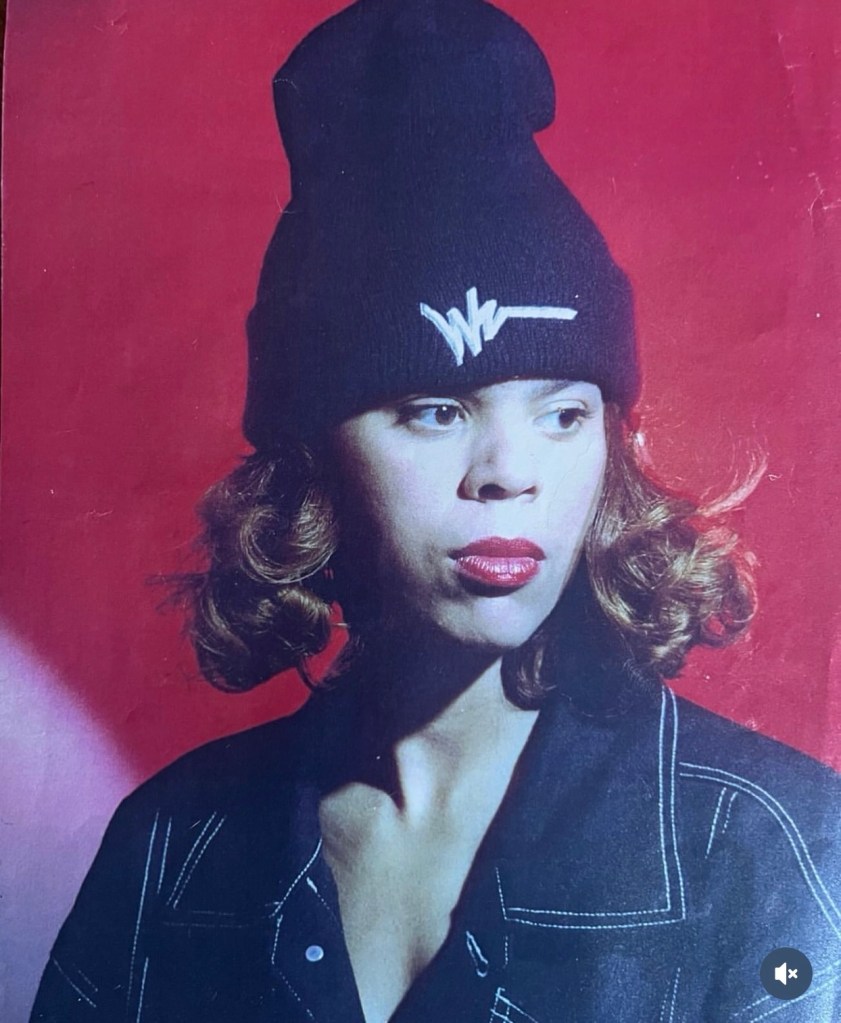
April Walker went on to become one of the first designers to bridge the gap between streetwear and mainstream culture with her brand, Walker Wear—a move that helped shape the industry and the creative possibilities we recognize today.
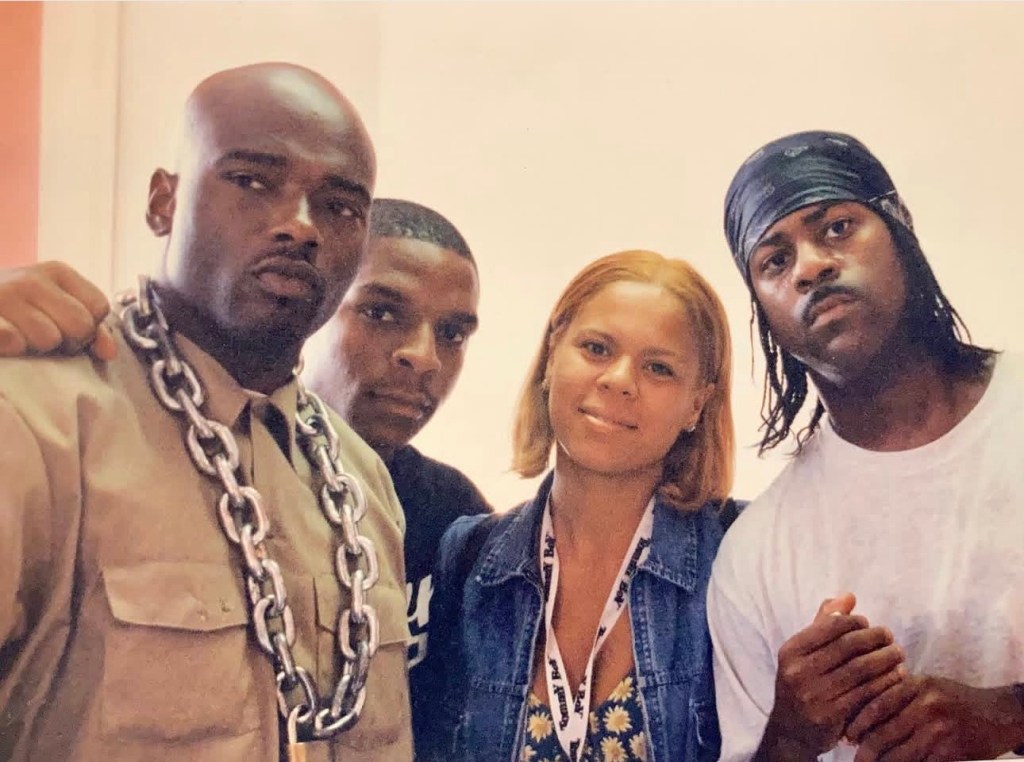
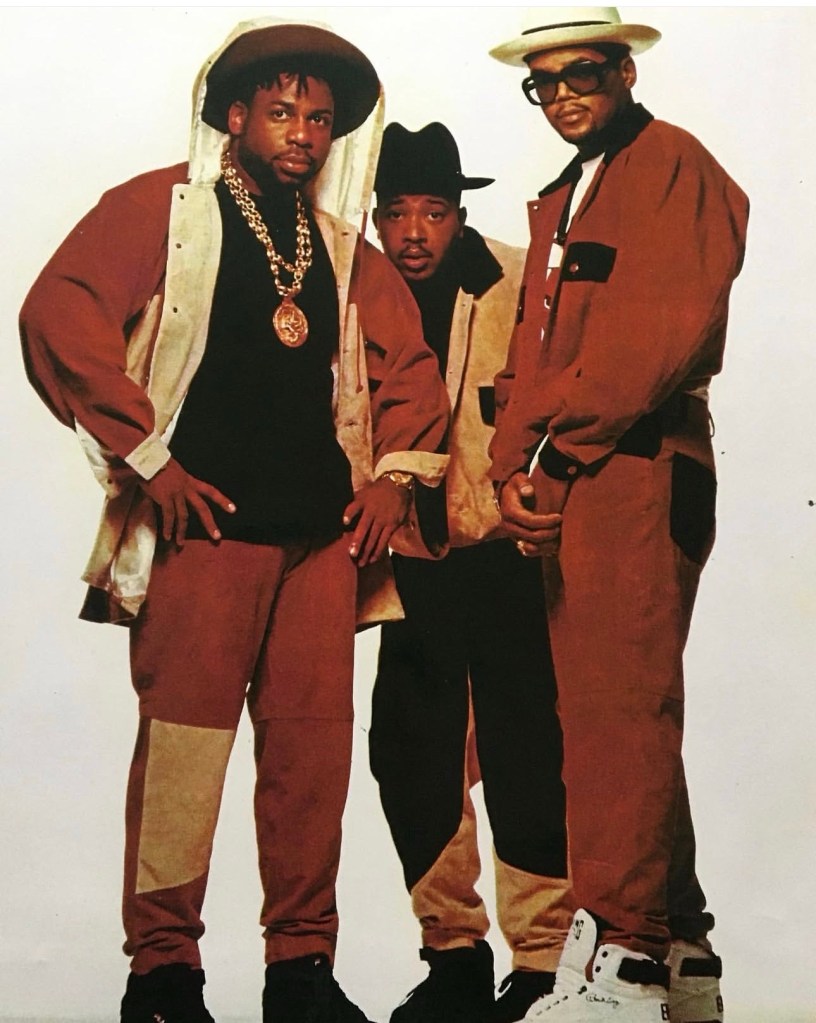
Known for her work with icons including Notorious B.I.G., Tupac, Naughty by Nature, A.T.B. (Audio 2), and Run-D.M.C., Walker Wear wasn’t just seen—it was felt. The brand surged through clubs and city streets, lit up TV screens, and took over stage shows, fashion conventions, music platforms, and classrooms around the world.
Even now, April continues to strengthen the community through the wisdom she’s earned and the experience she’s willing to share.
With her newest venture, RAW, she brings yet another kind of change—a sustainable denim line built to challenge outdated norms and move fashion forward. As always, April delivers disruption with purpose, turning style into something more responsible, more forward-looking, and more lasting.
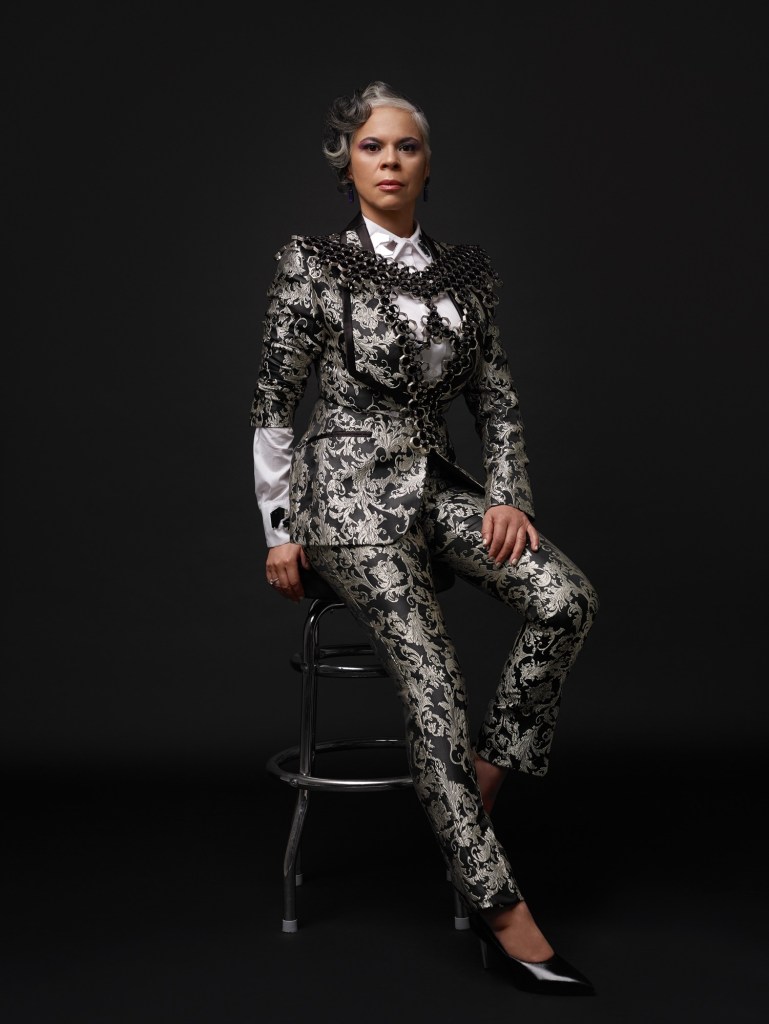
We decided to launch our own brand, Walker Wear. It started with pieces that felt real—rough and rugged from the first stitch: a suit, a crew neck sweater, a sweatsuit, a fitted snapback cap, a coach jacket, and beanies. I wanted the brand to be functional and versatile, something you could wear in the day and seamlessly step into nightlife with—street to stage, without changing who you were.
Our first show came during the NASBA show—the hip-hop equivalent of something like Magic, but on our terms. We rented a suite at a small hotel called The Flat Hotel, because we weren’t yet seasoned in the fashion industry and didn’t want to gamble by debuting at a high-stakes booth at the Jacob Javits Convention Center.
Instead, we invited a comfortable, curated group of buyers to see the suits up close. At that time, we were working with Run-D.M.C., Flava Unit, and others. Jam Master Jay even made the trip to Javits and pulled in some additional buyers—turning our preview into a real moment, not just a presentation.
Then we landed the relationships that mattered most: Dr. Jays—the biggest retailer in our community at the time—along with Merry-Go-Round, Vinnie Styles, and about ten other stores.
From that momentum, Walker Wear was born—built on trust, taste, and the demand we’d been hearing from day one.
APRIL TAKES IN BLVCK ON THE WILD JOURNEY OF STREETWEAR VIA HIP HOP CULTURE
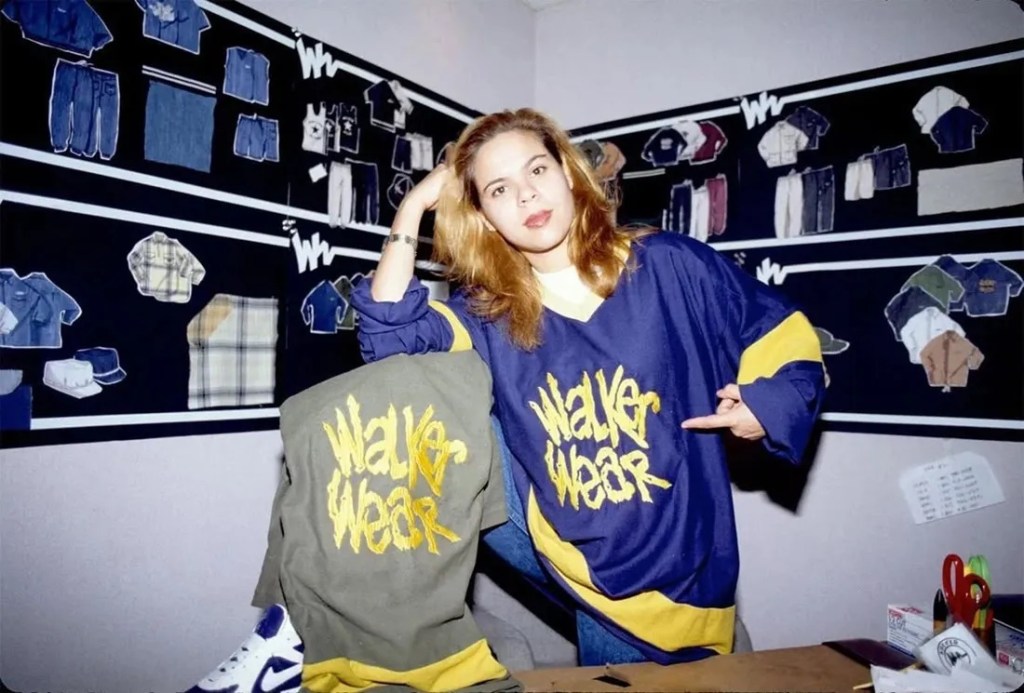
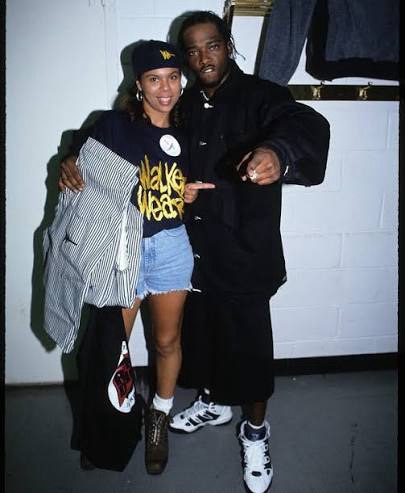
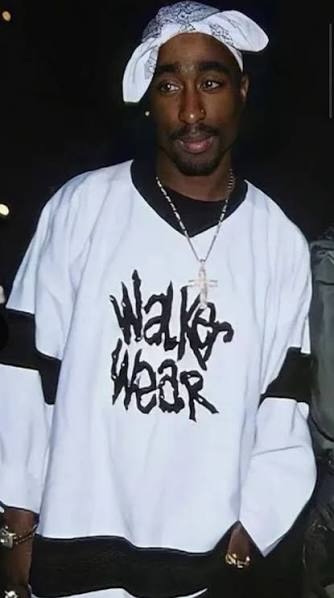
MB You have quite an extensive list of legends you’ve worked with. Were you inspired by greats like Biggie, Tupac, and Naughty by Nature? Describe that energy.
AW I believe good energy creates good energy. We weren’t looking at hip-hop like it had a destination—we were living inside the moment and believing in what it could become. At the time, we didn’t fully know what hip-hop would grow into, but we knew we believed in it, and we were here for the revolution.
I was in my early twenties, and it was a complicated era. Public Enemy released “Don’t Believe the Hype,” and the crack epidemic disrupted urban economics, homes, and daily life. Hip-hop became the voice of people who weren’t being heard. We didn’t have mainstream coverage. Our community was ignored, and nobody was interested in our story—so the music became the outlet, the bulletin, the truth delivered loud enough to cut through.
When you think about N.W.A., Ice-T, Naughty by Nature, Tupac, Poor Righteous Teachers, KRS-One, Notorious B.I.G.—you hear a wide range of sounds and messages. That diversity is what kept the culture alive. For us, it was like CNN, but from the inside: news and meaning coming directly from the streets.
I was inspired by the rebellious spirit—the anti-establishment drive—and I wanted to supply the uniform. I wanted to speak to my tribe members. I was doing it from the heart, not chasing the dollars. The environment naturally brought us together, and that shared purpose became our bond.
I met Tupac a few times. One time he came on set with Stretch Armstrong while I was styling B.W.P. (Bitches With Problems) under the umbrella of No Face via Def Jam. Another time was during the tryouts for the movie Juice, where he co-starred. He asked me where the outfit I was wearing came from—it was from our Fashion In Effect store. That connection opened the door.
Around the time Tupac was branching off from Digital Underground, that’s when I began dressing him. He was passionate—an undeniable creative visionary. You could see it in his projects, his music, and his videos. And even with all the style and spectacle around him, he never let the fashion overpower the message.
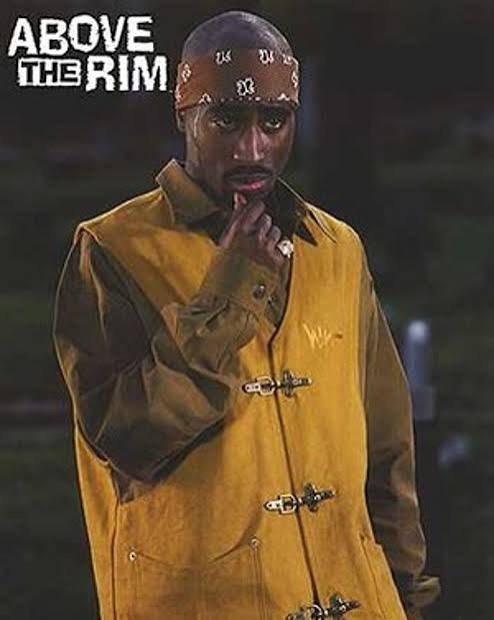
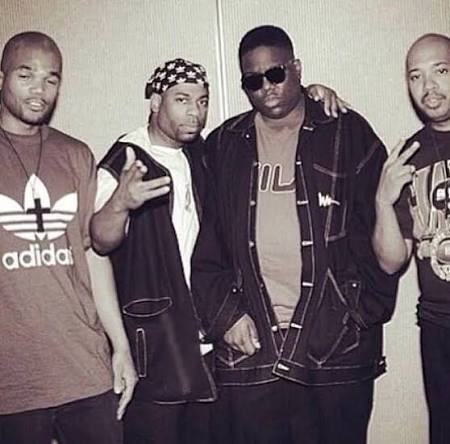
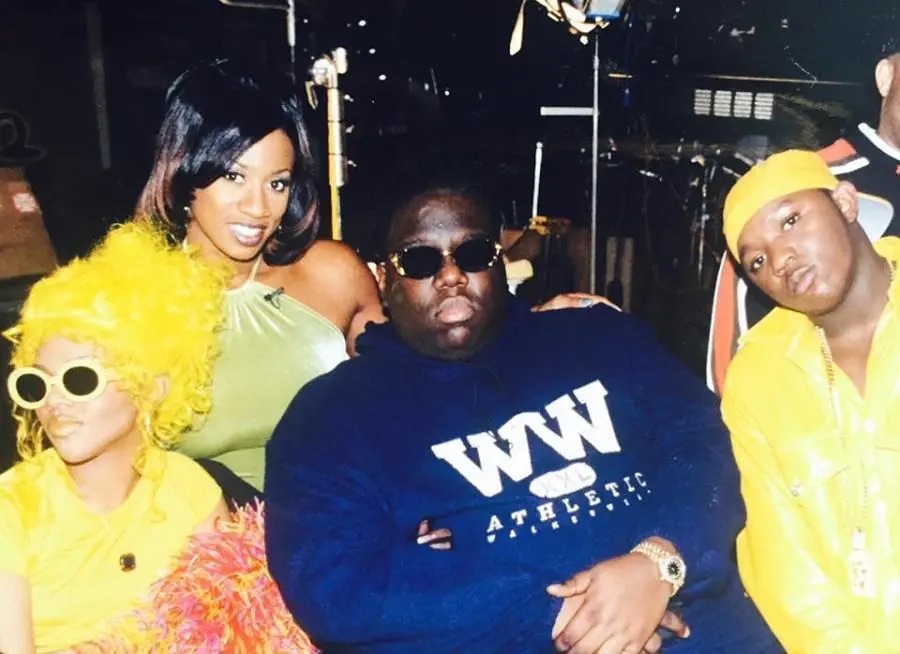
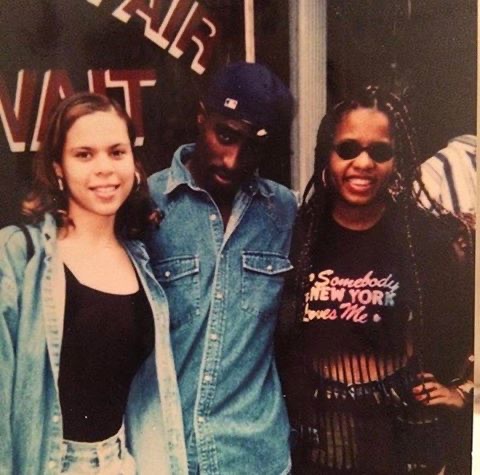

MB Treach from Naughty by Nature was always a champion for the brand. Eventually he became a fashion influencer at the time. Did you find some of your wisdom—shared with him—was helpful to him to thrive in that space?
AW “Treach! That’s my family.” A lot of people didn’t realize I was styling at that time. Sometimes we wouldn’t even use Walker Wear if it didn’t match the artist’s aesthetic. The goal was always the fit—how the look served the person and the message.
What was powerful for us is that we had both a clothing company and a styling division. That meant we could receive a wardrobe budget, which covered expenses and allowed for special requests—requests that sometimes went beyond our brand.
I also understood the importance of product placement. We were among the first companies to take intentional product insertion seriously, because we couldn’t compete with giants like Tommy Hilfiger and their advertising budgets—especially not the kinds of billboards you’d see in places like Times Square. But our advantage was different: we were the culture. So we could put something on Treach—something new, something nobody else had—that people would notice immediately. And then they’d ask for it, because they connected with it—knowing that they could only get that piece from us.
Artists were the engine driving everything, and we understood that early—even when we didn’t yet fully grasp how powerful they were becoming. Naughty by Nature at the time weren’t the global legacy they are now; they were still rising and building. Same for us. It became another way to grow: not only through the budget to shop, but also through being paid to style.
Sometimes we purchased other brands; other times we customized the looks ourselves. We listened to the talent—and a lot of my best creations came straight out of collaboration with the artists.
And as a stylist, the biggest relationship you ever have is with your client—with the artist. You build it on trust. We stayed transparent and honest. That foundation is what made everything last.

MB When I started working with the labels, instead of focusing on whether I could share in developing that artists’ image, but they focused on how many “free items” I could get from designers. I used to hate that about working with the representatives. What about the art? You have been referred to as a “disruptor” in fashion—the industry or both. How did you earn this acclaim?
AW Depending on who you ask, you may get a different answer. I’ve been called the “Sacajawea of Fashion,” for clearing the path for Hip Hop brands—because when we began, there wasn’t a lane for us. There wasn’t a category that understood us. There wasn’t even a “streetwear” box in fashion.
What there was—what carried us—was our community’s inside-burning passion to create.
And I earned that kind of acclaim because I refused to participate in the shallow version of the business. I wasn’t interested in being measured by how many free items I could secure. I was interested in the art—the outfit as language, the look as identity, the image as truth.
- So I disrupted the industry and I served the culture by doing what felt obvious to us, but rare in the system:
- I built from meaning, not giveaways.
- I treated artists’ images as something to develop—carefully and intentionally.
- I created lanes where none existed, until people had to acknowledge what we were already doing.
- I pushed street visibility into spaces that didn’t expect us.
- I stayed focused on craft, fit, and purpose—because that’s what lasts.
We dared anyone who tried to dismiss us to either get up to speed—or miss out.
That’s how the “disruptor” name earned its weight—for me, it was never about breaking for attention. It was about breaking open a future.
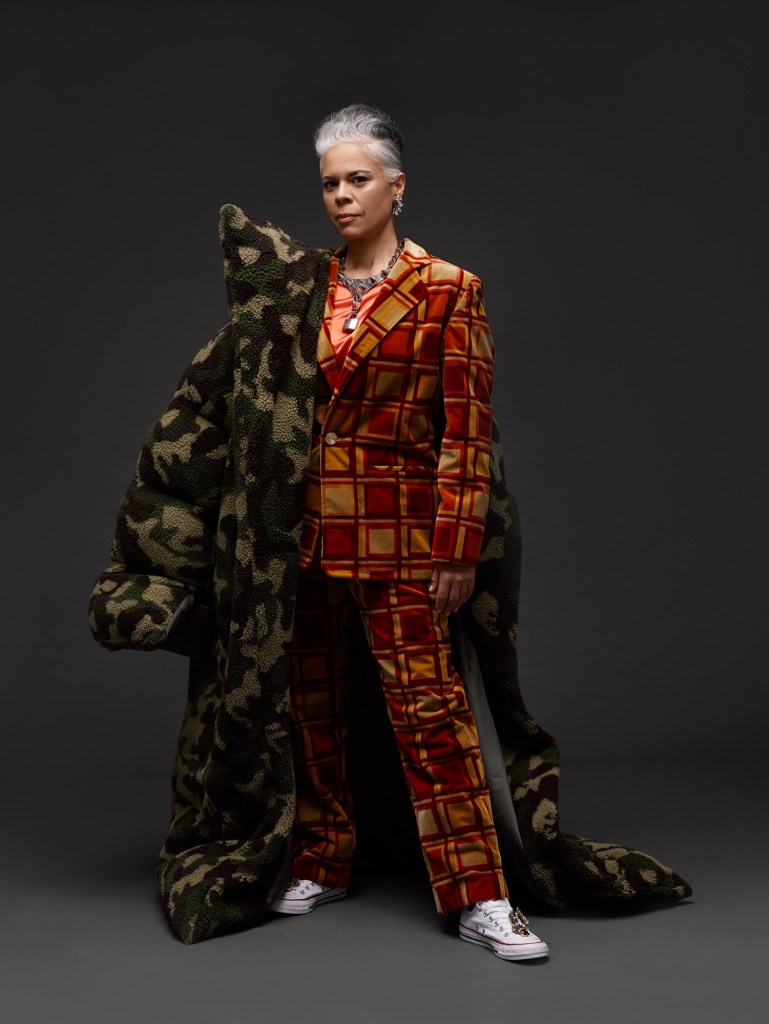
We were trailblazers who formed a tribe—one that rebelled against the industry’s default settings. Without apologizing, we put our brands into the same rooms as the mainstream, at comparable price points, because we knew our work deserved to stand shoulder-to-shoulder.
My foundation was different from most designers. I earned a degree in business communications, not fashion. And I grew up around my father, who worked in music—jazz and R&B—touring with D. Train, Jazz O, and Jay-Z, traveling to places like Zanzibar, and spending time at venues such as Barnes International and the Copacabana. Being backstage and watching legends like Luther Vandross up close gave me a perspective that business, entertainment, and fashion weren’t separate worlds. For us, they were always one and the same.
Let me be clear: nothing against a traditional 9-to-5. But the Sacajawea in me—the rebel guide—pushed me to forge my own path. In the rebellion, I saw the vision. And I had enough faith to follow it.
Back then, product placement on hip-hop artists was unheard of. So we made it real. We made sure the culture’s icons—Naughty by Nature, Tupac, Biggie, and others—were wearing Walker Wear, flooding in with the energy of true street recognition. Within months, buyers weren’t just waiting to see us—they were hunting us down, writing orders because they understood what was happening.
And we did it starting with consignment deals—no money upfront. That was a major risk for brands like ours, especially when the market hadn’t been fully recognized yet.
MB Isn’t it always great when the client had that one employee who was the “cool hip kid” that you could relate to?
AW At Merry Go Round, there was a kid who didn’t even know me personally, but he was pushing Walker Wear so hard he tried to sell me my own designs. That kind of belief was everything. It was refreshing to see that our community wasn’t just wearing the clothes—it was advocating for us, keeping us in the conversation.
MB As a trailblazer in fashion, you helped open the doors for a multi-billion dollar genre. How do you feel this affected markets such as “The Magic Convention”?
AW When I attended my first Magic convention, it was so quiet you could hear a pin drop. Magic didn’t understand what category we belonged to, so they put us—and brands like Karl Kani and Cross Colors—in a small conference room.
They had no idea where to place us, so we made our own statement. We themed the room like a “jail cell” and sent out invites to buyers that said, “Come serve time with us.” Needless to say, we each wrote about $2 million at that show—which was the turning point. After that, they invited us onto the main floor.
And once we moved, others followed: Phat Farm was one of the first, then PNB Nation, and many more. Essentially, we made Magic cool—especially because Magic wasn’t “Fashion Week,” and the truth is, new fashion is usually discovered by the youth first.
The original environment felt stiff—non-progressive, not creatively inspiring. There were old-school gatekeepers lingering over the buyers, and the energy felt stale. We brought something different. We ushered in the new wave and filled the aisles with music, culture, and style—and the buyers came alive. It turned into crowds of people excited to write orders.
And once it was clear that it was real—once buyers saw “people who looked like us” selling the product—other major brands started appearing too: FUBU, Ecko, LRG. That momentum helped turn entire brands into 30–50 million+ dollar companies.
I also had a dream team of sales reps, including Gloria Blake (who went on to Ruff Ryders), Kenya Warfield, and Kola Walker sales reps like Tony Shellman (who later started Mecca), Danny Shaw (who started Pure Players and 1020 Blues), and others. Their energy and belief helped turn a room that didn’t know what we were into a market that couldn’t ignore us.
I held an umbrella of streetwear brands that branched off like a dandelion, spreading into the world—and each one went on to do great things. To this day, they still pay homage, because they remember where the roots began. It feels incredible to watch it grow from a grassroots movement into a multi-billion-dollar industry.
Hip-hop artists genuinely pushed for us. We weren’t just looking at “the fashion industry” as a gate to get through—we were building relationships inside the business, and we were building relationships inside our culture. And we had to. We weren’t a billion-dollar-backed market yet, so our community wasn’t optional—it was everything.
I think about Shaquille O’Neal as an example of that kind of support. He purchased custom items and backed our brand firsthand, while still “loaning his name” by wearing our clothes. That mattered, not because it was celebrity—it mattered because it was commitment.
At this stage, we need to keep building our own tables. That’s how we win: not only by creating, but by supporting each other—so the next wave has roots strong enough to grow.
MB How has the tech world affected the business of fashion for you?
AW The tech world has affected it in a good way. It inspired me to relaunch Walker Wear in the digital space, and in the process, surpass the gatekeepers in fashion—people who are too often in league with retailers instead of in touch with the culture.
What you said earlier is gold: a lot of the owners with suits and ties don’t truly understand what the kids want or what the market is moving toward. They’re focused on getting paid, with or without merit.
But in this digital age, you don’t have to ask permission to matter. You can:
• Build your own audience
• Create your own narrative
• Bypass gatekeeping
• Speak directly to the people who actually care
I wanted to create again—use the equity of my brand and the history behind it. Since I entered social media, I’ve received messages from all over the world, people thanking me for what I contributed. From Africa to New Zealand, I talk to over 80 people a day, and it’s still happening—30 years later—with the same message: they still appreciate what I did.
I created my own narrative, and it’s been very successful.
The truth is, the transparency is the same as when we started. Back then we weren’t trying to look perfect—we were trying to be real. That hasn’t changed; the difference is now I can tell the story directly.
And it’s not as instant or “cookie-cutter” as people assume. Creating is about consistently telling your story, crafting it, and honing it. I even tested marketing the way I did before the internet—by putting the work out, learning what resonates, and refining as I went. It takes time to build anything worthwhile.
Not every step becomes a masterpiece, and that’s okay. What matters is that you’re growing while you build. If you keep swinging with aim, eventually you land the punches.
Tech is only a tool. You still have to cultivate it. The platform matters less than the vision, the discipline, and the intent behind what you create.
MB Are you surprised at how the major fashion houses struggled with connecting with the current market since social media?
AW No, I’m not surprised. It reminds me of when Apple approached the record labels and tried to explain what was coming next—how partnerships could work and how the industry needed to shift. The record companies treated it like it wasn’t serious. Then the digital era took over, and a lot of labels lost their businesses.
That’s the pattern. As a business, you have to be aware of the shifts and where the numbers are moving, and you have to stay agile. Especially if you haven’t been disrupted in a while, you have to prepare for it.
I read a book called “Who Moved My Cheese,” and it really reflects something true: if culture changes and you don’t change with it, you can lose business in that transition. That’s what’s happening with some major brands—they came late to the table. It’s never too late, but the longer you wait, the higher the hurdle becomes, and in technology that gap can widen fast.
Tech is where the world is moving. So if you want to stay connected, your business has to be there too—present, responsive, and ready to adapt.
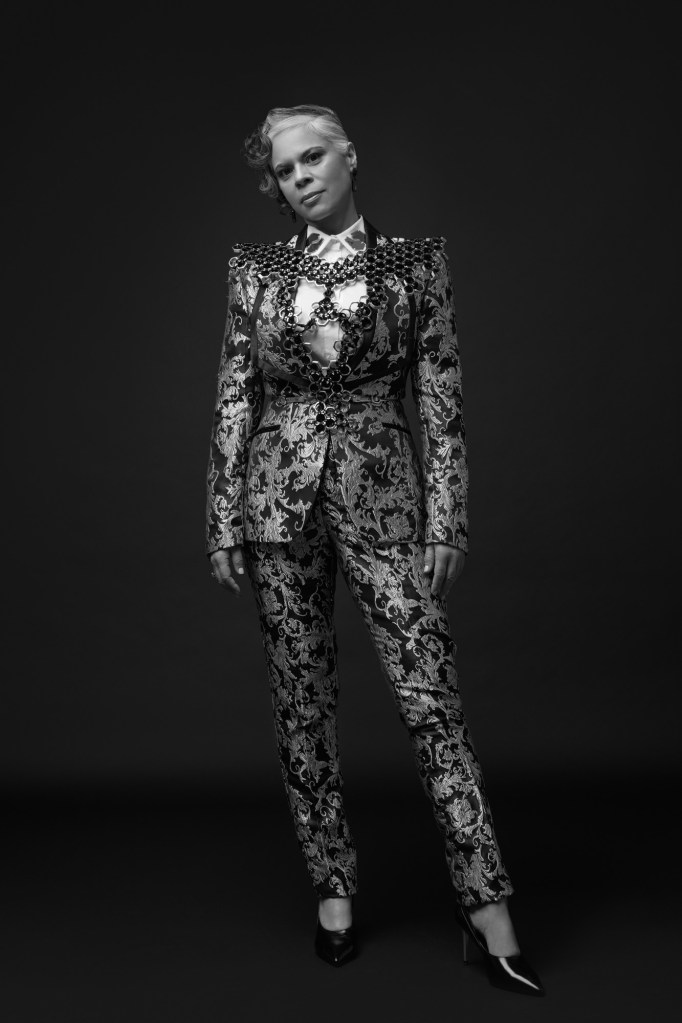
I tried out Clubhouse during the COVID 19 pandemic and I was still in the learning phase of that platform—voice-only chat rooms during that time.
Because time is money, you have to be mindful of how you use it. It’s not just about showing up; it’s about bringing value. The space rewards intention: if you’re talking, it should matter, and if you’re silent, it should be strategic.
For example, in February we ran a campaign for my RAW denim release in honor of Women’s Empowerment Month. That taught me even more that the key is using voice platforms with purpose—respecting people’s attention and making every moment count.
MB On Clubhouse, the Black Fashion Congress addressed Tyson King’s issue where Givenchy allegedly copied one of his hat designs. What’s your take on cultural appropriation? Have you experienced it?
AW Cultural appropriation—when you really look at it—is very much like the history of America itself: land was taken by looters who came in with no regard, bending rules when it benefited them, and thriving in denial. That same energy shows up in fashion when cultures are treated like they’re public property—until someone from that culture asks for recognition, credit, or respect.
The good news is that through the pandemic, through Black Lives Matter, and through the exposure of this country’s division, people finally had to acknowledge the truth. And healing can’t begin until you do. We’re acknowledged now—but we still have a long way to go.
So my take is simple: we have to stop waiting for others to validate us. We need to stand on our own. There’s a division that keeps us from moving as one, and stylists—people who shape what the world sees—need to pull more designers of color into the spotlight and take ownership of their influence. We need to “round up our own” with intention.
Designers like Fe Noel, Sergio Hudson, LaQuan Smith, Fear of God, and Telfar deserve to be on the red carpet more often, not because someone grants it to them, but because their work earns that level of visibility.
And to the younger generation: you don’t need someone else to bring you together. Do it yourselves. Stop waiting on approval. Start building ownership—of design, of stories, of space, of consumer power.
That also means strengthening the foundation behind fashion, including the financial side. We have enough consumer power, but there isn’t a real financial structure yet—because we haven’t built a financial strategy. We need more Black-owned banks and distribution, so we’re not just creating culturally—we’re also sustaining economically.
As for whether I’ve experienced it—yes. When you come from the culture, you learn early how often credit gets blurred, and how often innovation gets borrowed without respect. What matters now is that we respond with clarity: protect our intellectual work, demand recognition, and build systems that can’t be ignored.
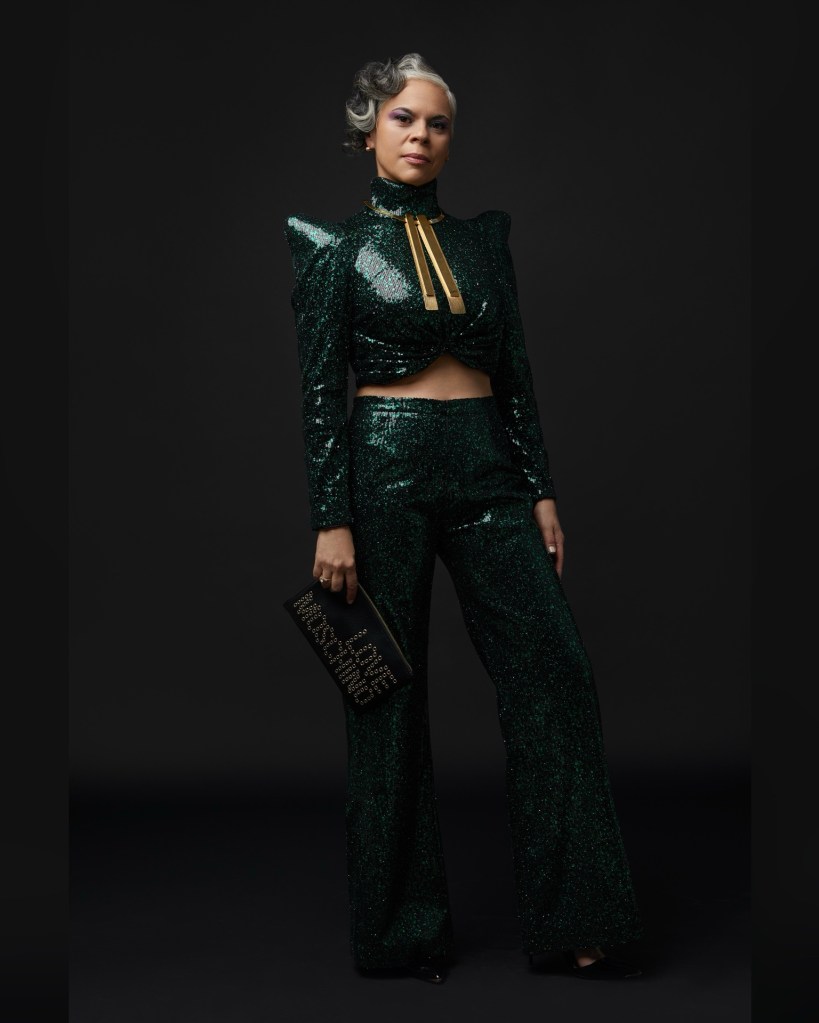
MB What approach should one take to attract the attention of today’s young consumer?
AW I’ve been working with a young team, and what I’ve learned is this: when you put them in the spotlight—celebrate them, mentor them, teach them, and truly give them a voice—they become invested. Let them make decisions so they learn from those decisions, and so they can grow into the decision makers of tomorrow.
Energy feeds off energy. That shows up inside the team first, and then it translates outward to the tribe. Young people can tell when a brand is being led by real understanding versus marketing alone.
Building a brand for them has to be consistent, authentic, and innovative. The young team communicates the brand to their peers in a way that feels natural. And as I step aside as a representative of the seasoned generation, I let the newer energy vibrate through the brand—because April Walker isn’t just a label. It’s a lifestyle that can speak to different age groups, without losing its core identity.
MB How do you feel about today’s Luxury Street Brand direction?
AW I love it. I love that we now have street luxury, and I’ve seen real growth from the ’80s until now. We’ve been conditioned to buy Gucci and Fendi, so it’s refreshing to have options that reflect us—like Pyer Moss and Telfar.
I truly believe this direction is revolutionary, and with technology continuing to expand how people discover and shop, I can only see it getting bigger.
MB Will we ever see a Black Luxury Brand? How far are Black designers from having that celebrated logo?
AW I like what Fe Noel is doing—when fashion and travel come to mind, I think of her collections. Brands like Louis Vuitton didn’t start as top brands either; they had to grow into that position. I also believe designers like Sergio Hudson are on the way.
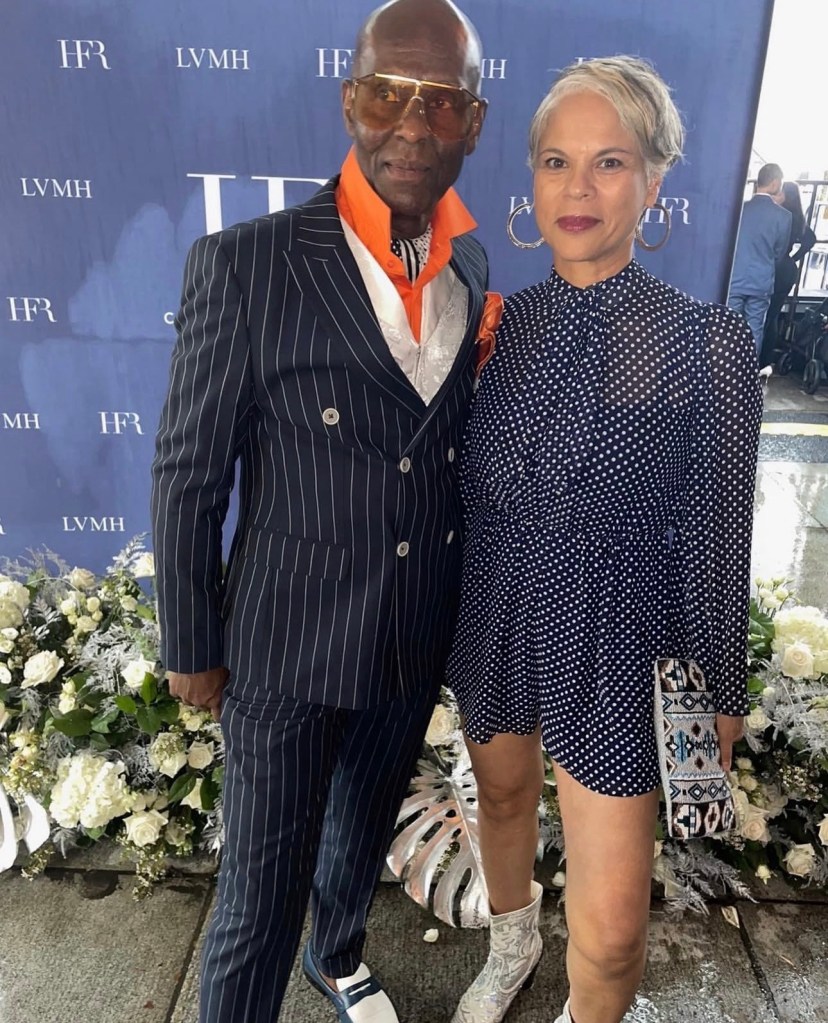
I’m reminded of Dapper Dan’s shop and how he built his path into luxury. Remember, at that time there wasn’t a Black-owned brand doing what he was doing at that level. That’s why I believe it also depends on the consumer to show up.
We can’t overlook Shirt Kings—Shirt King Phade brought graffiti culture to an entirely new level through fashion. His personalized, custom airbrushed graphic tees, hooded tops, jeans, and sweats became staples in the community long before we ever considered branding or retailing our fashion lines.
In fact, Shirt Kings weren’t just part of the story—they helped pioneer graffiti fashion, and that legacy lived on in all of our shops worldwide from the early ’80s into the ’90s.
And we have to acknowledge the timeline: the Madison Avenue-to-Paris legacy brands have been around for decades, while many Black designers are brand new. Only time will tell, and only if we build the right structure and direction.
But the world needs healing from supremacy, elitism, and racism so Black designers get a fair chance. We can’t wait for the fashion industry to change for us—we have to create our own wave. I wouldn’t be as successful as I am if my goal was to be validated by them. I’m a disruptor because I’m not here for their approval of who I am.
MB Tell me about the RAW project.
AW RAW is a project close to my heart, born from the desire to tell our story. I want to show the diversity of people while revealing their common thread—through the spectrum of the rainbow—starting with Black History Month and with sustainability at the center.
I’ve enlisted a team of stylists and custom designers to amplify them and tell their story—so it connects directly to RAW denim: the most environmentally conscious sustainable version of denim, because denim is often one of the most wasteful and harmful materials—especially in terms of dyes, toxic chemicals, and water use. We use raw denim in its natural state.
And raw denim ages better. It evolves and breaks in over time in a way that becomes more personal with the person wearing it.
MB Is this collection going in the sustainable fashion direction?
AW Yes. RAW is fundamentally built for sustainable fashion, and that’s not just part of the concept—it’s the product.
MB Is this collection going in the sustainable fashion direction?
AW Yes—because we remove the toxic and wasteful processes from the traditional denim making approach.
MB How did you select your team of creatives for it?
AW We built relationships over time. Not only stylists, but designers too. Some were newer in the business, and some were already established, but the common thread was their eye and their spirit.
The team also varies in gender and generation, and it happened organically—authentically, and even spiritually, it’s been a real pleasure bonding with them. I connected with them in different phases because I’m genuinely a fan of their work, and I saw how their creativity aligned with what RAW stands for.
Marci Rodgers is an award-nominated costume designer who created the rich palette and ’70s wardrobe on Spike Lee’s acclaimed film BLACKKLANSMAN, which won an Academy Award in 2019. She also contributed to an American saga of Wu-Tang—and bringing creative talent like hers into RAW helped us elevate the storytelling and the look in a way that feels intentional and alive.
CL White-He: Has worked with talent including Beyoncé, Naomi Campbell, Cardi B, Lori Harvey, and DSmoke. He’s also worked with Parkwood Entertainment, Roc Nation, and Essence Magazine.
Kwasi Kessi: Celebrity wardrobe stylist, creative director, and co-captain of Adidas Runners NYC Harlem. He’s worked with BET, served as ASAP Ferg’s stylist, and also runs marathons.
Domo: A 26-year-old fashion stylist from Brooklyn, NY. She began her styling career at LIM College, studying fashion media and styling. Her signature is a keen eye for detail and a talent for layered jewelry.
Janique (“Nique”) Heard: Artist Conway’s stylist. “Nique” is also a published editorial and personal stylist based in New York City, with roots in Prince George’s County. After earning her bachelor’s degree in fashion marketing, she landed a styling job immediately at 34th Street Macy’s.
Toni Scott Grant: Has worked with Madonna and J.Lo. A Houston native, she’s a costume designer and wardrobe stylist with experience across film, media, and television with a wide range of celebrity clientele. Her credits include Hulu’s 8-part series “Wu-Tang: An American Saga” and Emmy Award–winning Dick Wolf’s “FBI” on CBS. She also has her own line, “how to swag.”
Jai Hudson: Her passion ignited her design studies at **Syracuse University, leading her to become a celebrity fashion stylist and designer. Her designs date back to creating looks for the late Aaliyah Haughton in 1999. Her styling and design credits include Teyana Taylor, Iman Shumpert, Remy Ma, Sean Combs, 50 Cent, Jay-Z, Trey Songz, Total, Lil Kim, Mary J. Blige, Alec Baldwin, and Missy Elliott. Jai has also collaborated on creative direction and design for brands including Angela and Vanessa Simmons’ “Pastry” sneaker line, the Misa Hylton brands, her Fashion Academy, and MCM.
Keia Bounds: An accomplished film and TV costume designer. She began as a fashion designer before moving into entertainment. Keia credits her design education and experience for her success in costume design. After working as a designer for **Ralph Lauren, she began styling celebrities, then left to pursue costume design and styling full-time. Early credits include “Chappelle’s Show” and “What Not to Wear,” as well as “Law & Order.” She later designed episodic series, with credits ranging from “Nurse Jackie” to “Connecting” on NBC, and most recently the film “Chick Fight.” She’s also created a sustainable line.
Phil: A standout stylist who I met at Essence Fest after he did a shoot with D. Smoke.
All of these people have inspired me in so many different ways.
What inspires me most is the young people—the rebels who aren’t waiting around. They’re making statements with their whole existence, like: “Because we are gonna win, swing with aim, by all means necessary.” I love seeing creatives move forward anyway, even when the path isn’t easy.
They’re a mixed bag of apples in the best way—each one doing something different, in their own lane, with their own vision. And I wanted to celebrate that. I also wanted to be conscious and intentional about the planet—because creating the future should mean creating it responsibly.
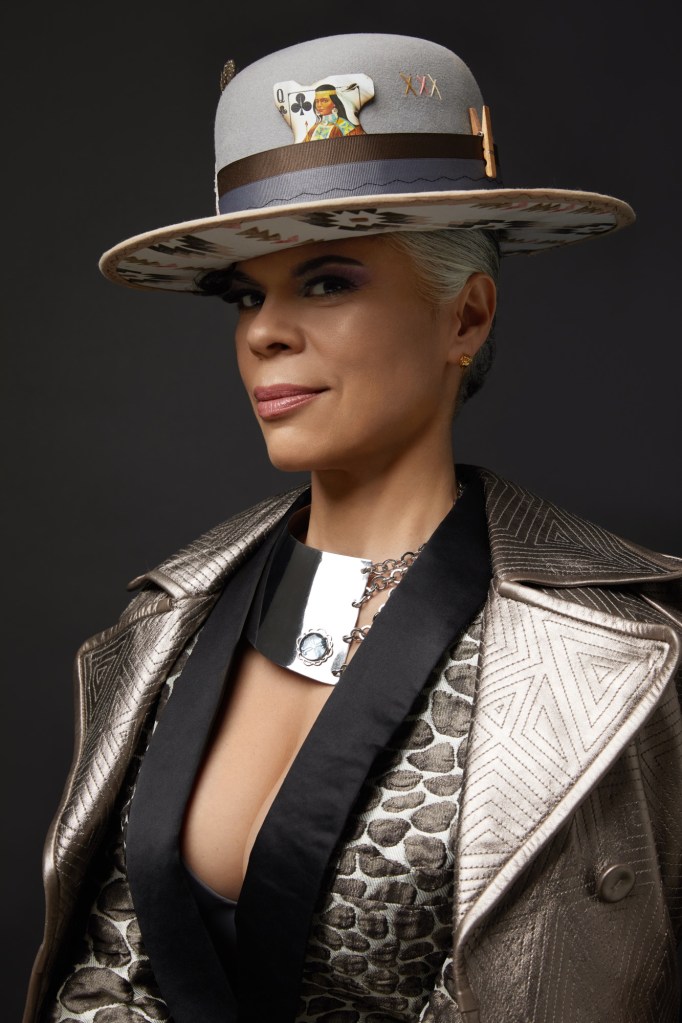
MB What are some of your goals for the 2000-27’s?
AW I have a lot of goals—and really, it’s more like a 2021 to 2026 list of goals. I wrote a book called Walker Gems: Get Your Ass Off The Couch (an eBook is dropping soon). I’m also excited about my digital course about the business, BYOB—Build Your Own Brand, Be Your Own Brand.
A big part of it is that I’ve been doing a lot of teaching and mentorship for Black and brown people, and I want to keep expanding that impact.
MB What about necessary rebellion?
AW I consider myself a disruptor to the school system. I believe we’ve been put into an educational box growing up—told to pick a career, work hard for someone else, and follow a single script. There’s nothing wrong with working hard or with having a job, but I want to promote independence and creative thinking.
Because we’re in the age of individuals now. You’re a brand whether you accept it or not. How you show up for yourself is how the world welcomes you. So it’s important to understand that being a brand is part of how you’re perceived.
That means being a great negotiator, knowing your value, leveling up, and pouring into your own brand. It starts at home—and it starts in education.
Entrepreneurship is believing in yourself. Doubt can pull you under and kill your dreams. Believe, and you can figure the rest out. You can learn, but the first step is seeing it when no one else can—and owning it. That’s exactly what BYOB is about.
Fashion isn’t all I do. I also teach alongside Milk D of Audio 2, who handles the music component—so the program connects the culture from both sides: sound and style.
Right now, I’m working on my memoir, with plans to release next year. I’m also studying the cannabis business, with plans to open a cannabis and wellness store online.
And I’m looking to collaborate with more Black designers and keep building our community—because that’s how we grow and how we win.



Leave a comment