Cult Of Individuality Streetwear X (interview w designer Ron POISSON) HVMAN CTP
Celebrity Fashion Stylist Marcus Gregory Blassingame Interviews CEO and Head Designer Of Famed Streetwear Brand Cult Of Individuality. #inblackmagazine #marcusblassingame #cultofindividuality #hvmanchosentoprevail
https://cultofindividuality. com/

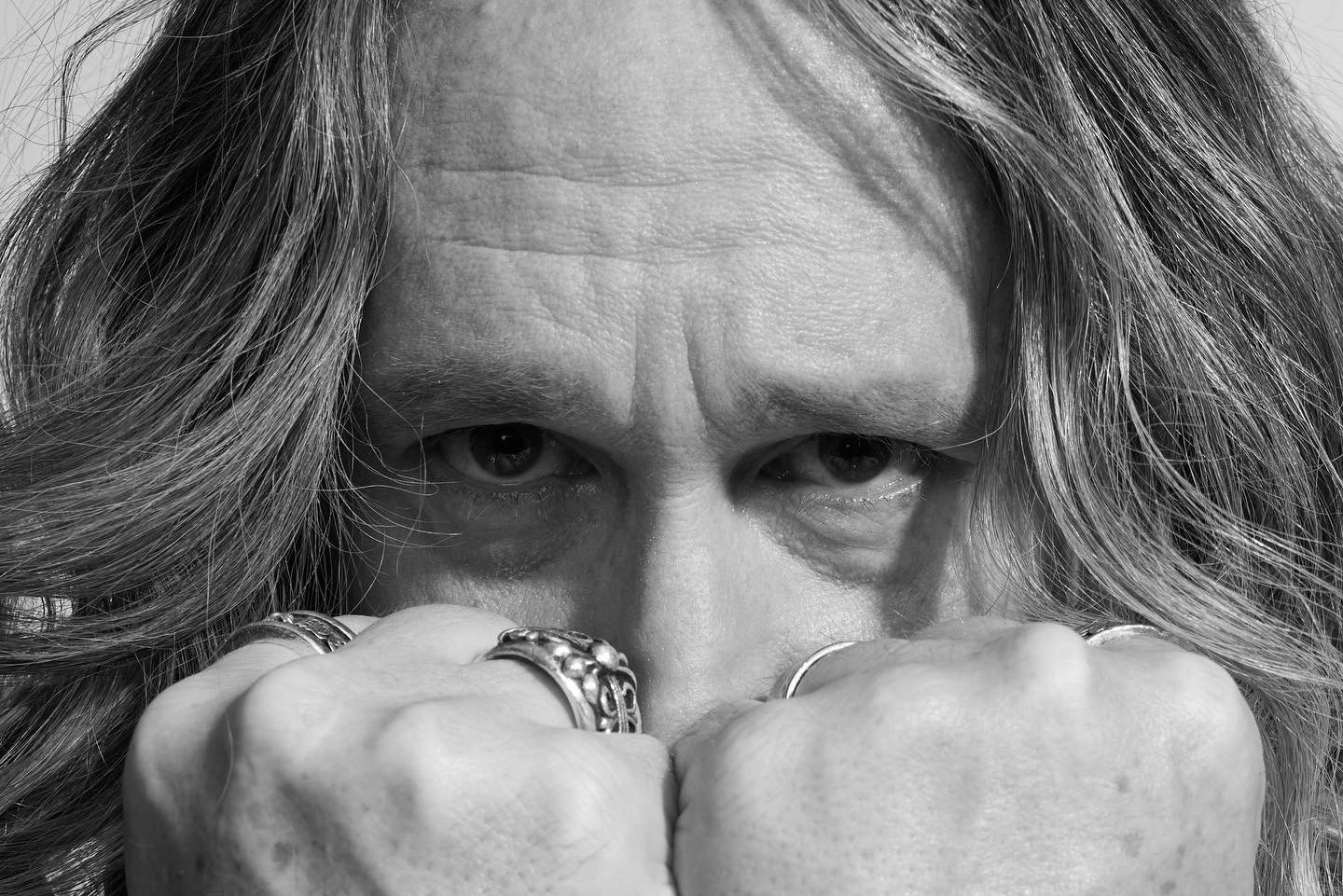
Ron Poisson has the kind of presence that doesn’t simply enter a room—it arrives. Just finishing hosting a music preview showcase at his show space, /showroom headquarters known as “The Cult Lab,” he carried the evening with effortless precision. Omarion—an R&B icon—was in attendance, and the atmosphere felt strategically orchestrated, not staged: buzz rolling in from Spotify, Amazon, YouTube, and iTunes as Omarion unveiled his most current album release. From there, the night widened into the industry’s tempo as Cult’s annual sales presentations marched into one of Las Vegas’s biggest trade showcases—twice yearly—where retailers from around the world descend, and Cult must keep its rhythm split between design and marketing. This is where polish becomes purpose, where the brand’s luxury doesn’t feel distant—it feels cozy, intimately familiar, like you’ve stepped into a culture that was built for you.
And then Cult turned the volume up—because “ordinary” isn’t in the vocabulary. In the most recent Vegas presentation, Cult Of Individuality transformed their display into a skate park: ramps, obstacles, and the kinetic visual language of street motion. In the In Blvck video, you can see a skater springing over a ten-foot fence on a skateboard—an unmistakable flex of athletic grace and brand audacity. It wasn’t only a stunt; it was a thesis. It said movement matters, culture matters, and the energy of hip hop—always storytelling with gravity and flair—deserved a stage as bold as the message. That’s the Aura Cult cultivates: attention that feels earned. The Rizz lands the way great style does—confident, smooth, and hard to ignore.

Yet Ron’s creative career didn’t begin at a trade show or inside a showroom. It began with fashion—the first language he learned to speak fluently—where music and culture acted as raw inspiration long before they became a signature. In high school, he created a T-shirt line, an early blueprint of individuality: wearable identity with a point of view. Even his educational interests carried a restless curiosity. His first college major was Marine Biology, an unexpected path that still made sense for a mind that studies what’s beneath surfaces. But the pull toward expression won out, and he switched to art and marketing, shaping his future in advertising—where aesthetics meet intention, and brand strategy becomes the backstage crew for the spotlight.

Ron once described his younger self as a “surfer guy who grew up in Rhode Island,” and that image explains the cadence of his creativity—open-minded, instinctive, and always ready for the next horizon. After graduating, he landed a sales position at Ocean Pacific, and the industry took note of what he’d been building quietly all along: creative ability that wasn’t limited to aesthetics, but extended to how people respond to a look. There’s a kind of charisma that comes from understanding, and Ron has it. That’s the Aura behind the business decisions: clarity, taste, and the rare ability to make a brand feel like it belongs to real humans—not just trend reports. From early on, he demonstrated Rizz in the way he presented ideas: smooth, persuasive, and grounded in authenticity.
When asked about what his fashion images looked like in high school, Ron offered a personal, almost cinematic detail: his parents were liberal about his choices, allowing him to be himself without forcing him into a script. He describes himself as somewhat eccentric—not in a chaotic way, but in a deliberate one. He didn’t dress traditionally, even in traditional settings like weddings, yet he was accepted by family and friends as genuinely Ron. Self-expression wasn’t a phase; it was a compass. That individuality became a focal point of his brand—Cult Of Individuality—and the word “cult” itself is part of the philosophy: it’s short for “culture.” In Ron’s view, fashion and music have been surrounded by gatekeeping, and too many people have been placed into a proverbial box of image and approval. Cult was created to oppose that status quo—to offer room for people to be exactly who they are, without limitation.
And if you look closely at what Ron’s built, you can see the industry shifting around it. As we discussed the imposed tastes of fashion, it became clear how many luxury brands and legacy houses have long been borrowing from streetwear and hip hop culture—sometimes even calling it couture. The difference now is that it’s no longer subtle. There are cross-brand collaborations, spokespeople elevated as cultural co-signs, campaigns designed to feel authentic while extracting style from communities that didn’t need permission in the first place. Ron’s stance is candid: “Streetwear has shaped the world of fashion today,” he notes, emphasizing that the original barriers have been broken down. The change isn’t just aesthetic—it’s permission. Suddenly, the world finds itself able to recognize street influence as fashion’s engine rather than its accessory.
“Look at Supreme,” Ron says—capturing the evolution in a single sentence. What once was known as a skater brand for years now collaborates with luxury houses like Louis Vuitton and Burberry. More recently, Louis Vuitton aligned with hip hop musician and skateboarding enthusiast Pharrell, a partnership that feels like cultural logic finally catching up to itself. In previous years, it would’ve been unthinkable. Today, it’s evolution—fashion becoming an open system, offering opportunities to those who were once excluded from the doorways of taste. And the cozy part of it? It’s that the culture’s energy doesn’t disappear when it enters the luxury room—it transforms the room’s Aura, giving it a new kind of confidence. The Rizz is in the way these collaborations signal a future where influence can circulate without apology.
Where Ron’s luxe vision becomes especially resonant is in how he carries music into fashion with care. Through Cult, he’s collaborated with iconic names in celebration of legacy—past, present, and current. Among them: Bob Marley, Sex Pistols, Pantera, Public Enemy, Motley Crue, Guns N Roses, and most recently, Jimi Hendrix. These collaborations aren’t crafted to chase novelty; they’re built with intention, honoring artists for their impact and contribution to the world and what Ron calls the HVMAN race. The brand understands that respect is a design material. It shows up in the details, in the tone, and in the way the collections don’t treat culture as decoration. The Aura of honoring is unmistakable: calm, elevated, and deeply human. And in that sincerity, Ron’s Rizz never feels performative—it feels earned.
What’s striking, though, is that Ron doesn’t treat the fashion industry as the center of gravity. Though there’s interest in Cult’s editorial fashion identity, Ron’s focus consistently returns to the consumer and the community. He responds that for a brand to matter, it has to have something alive inside it: “I believe for a brand to have meaning to the consumers, you have to have a living, breathing soul.” In a landscape where trends often feel disposable, Cult insists on permanence—connection as a lifestyle. His questions aren’t about approvals; they’re about belonging. “What does the brand stand for and what communities embodies inclusion, influence and inspiration between the brands, artists and its audience?” He offers surfing as a metaphor: you could live far from the ocean, in the Midwest or the mountains, and still identify because culture is less geography and more kinship. That’s where Aura becomes real—when people recognize themselves in the brand’s voice.
This community-first philosophy also reframes institutions. In terms of the CFDA, Ron has never been driven by the need for acceptance in the industry. For him, it was always about building with his core community from the ground floor up. Approval, he suggests, isn’t the point; social media status isn’t either. What makes him proud is seeing legendary figures he grew up listening to—plus major iconic artists—enjoy and love the designs. “What makes me proud is to see the legendary people I grew up listening to and major iconic artists loving and enjoying my designs.” That’s pride with substance, not noise. Cult speaks to a community where everyone has a voice—but also an attitude, a power, a diversity of cultures and ethnicities, and an influence that resonates organically with genuine intention. There’s no imposing. No excluding. That cozy feeling—like you’re welcomed without conditions—turns into a kind of luxury you can wear and share. The Rizz is in the clarity: the brand knows exactly who it’s for.
And then, the story expands into the newest chapter: HVMAN CHOSEN TO PREVAIL! As we discussed the importance of technology—and the need to maintain our existence in the physical world—Ron framed a balance: enjoy AI, but practice equilibrium between real human experience and interaction. It’s a philosophy of not letting tools replace touch, not letting convenience replace conscience. That conversation naturally opened into HVMAN, Ron’s newest brand besides Cult of Individuality. Along with design partner Angelo Rosa, he imagined creating a new expression in fashion with a profound message. HVMAN was conceived as the world endured tragedies—COVID-19, police brutality, riots, racism, wars, political turmoil, and the harm technology can cause to employment and business. When people feel torn apart by ignorance, greed, abuse of power, lack of compassion, and hate, what does fashion do? It can either aestheticize the fracture—or insist on unity. HVMAN insists on unity.
The message is “we are all one race, the HVMAN race,” and it’s time to prevail by coming together. That’s not just branding—it’s a moral stance translated into design language. In theory, HVMAN’s aesthetic is cleaner and less metal than Cult: fewer painted artworks, fewer rugged details, more refined presence. Where Cult leans into a music-artist vibe—classic denim that’s worn and deconstructed, denim mixed with leather—HVMAN favors modern silhouettes and textures. It’s the same soul in a different outfit: Cult is rhythm, texture, and street heat; HVMAN is clarity, purpose, and contemporary restraint. That difference gives HVMAN its own Aura—less noise, more conviction. And yes, there’s Rizz in the audacity of kindness: the confidence to make empathy look undeniable.
Ron also wants HVMAN to be involved in charitable organizations connected to the community and the celebrity clientele who support the brand. His direction for HVMAN carries a philanthropic spirit—because the work shouldn’t stop at garments. It should extend into action, into giving, into the kind of social responsibility that proves the message wasn’t just written for attention. In Ron’s worldview, influence is supposed to become impact. Cult builds style; HVMAN builds meaning—then challenges everyone who wears the vision to help carry it into the world. That’s the luxe elegance at the core of everything: not just what the brand looks like, but what it stands for when nobody’s watching.
And in the midst of all this creative momentum, gratitude remains a constant theme. In our Inblackmagazinetv interview, we discussed the amazing people we’re thankful for—those who’ve shared great energy with the Cult Of Individuality family. Names included YNVS Shampoo, Maino, Steve Lobel, Marsh and Brett, Angelo Rosa, Rasha, Christine Poisson, Kurupt, Timbaland, and many more. It wasn’t a ceremonial roll call. It was a recognition that community is the engine behind longevity. That cozy feeling—the sense of being supported, seen, and uplifted—creates the Aura that makes the brand’s mission sustainable. And the Rizz, again, is in the spirit: real connection, real momentum, and real intention moving forward.


Leave a Reply