THE IMAGINARY CONVERSATION
Titled The Imaginary Conversation, the Autumn Winter 2026 collection marks the house’s twentieth anniversary.
By Marcus G Blassingame
A London Celebration of the Independent Designer
Erdem Moralioglu has, for twenty years, built a house of romantic optimism—an atelier where happiness threads through every seam. This Autumn/Winter 2026 season, the London-born designer invites us to stroll through memory and myth, to witness how history can become haute.
A Studio Haunted By History
In Moralioglu’s Bloomsbury workspace, the past is not relic but resident. Portraits from the 1930s mingle with time-warped Vogue issues, while shelves overflow with biographies—from Merce Cunningham to Alfred Hitchcock. The archive isn’t mere decoration; it’s a living dialogue with a designer who believes that beauty is most potent when nourished by memory.
A celebration of female myth and modern craft
The designer’s well-worn method remains: a muse, often a woman long departed, becomes the lens through which new fabric, cut, and color are refracted. Margot Fonteyn, the Duchess of Devonshire, Elizabeth II—names from lives already completed—are reimagined as sartorial narratives. Each collection feels like a conversation with a reverent past, rewritten for the present with soft, precise hands.
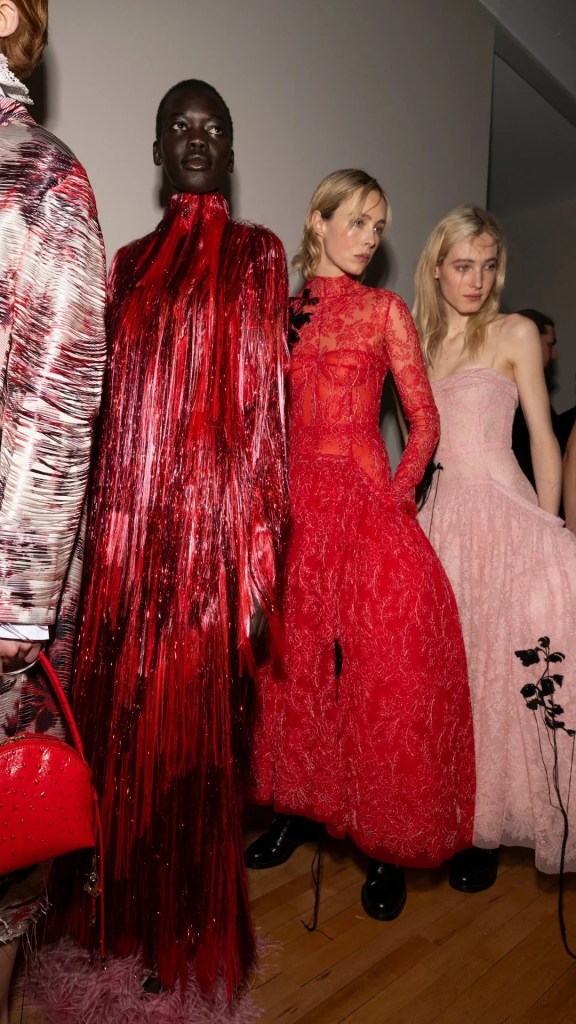
Romantic Optimism As A Discipline
Moralıoğlu’s devotion to old-fashioned beauty—crafted with modern poise—translates into clothes that promise happiness without flurry. His work endures because it refuses to sour into cynicism; instead, it extends an invitation to dream, to dress, to feel seemingly timeless.
If anniversaries are meant to prompt reflection, Moralıoğlu’s twenty-year milestone suggests something more intimate: a manifesto that the past, when treated with care, can illuminate the future. In his world, history is not a museum but a living atelier, where every stitch is a note in a perpetual serenade to independence—the independent designer, and the woman who chooses his romance for herself.
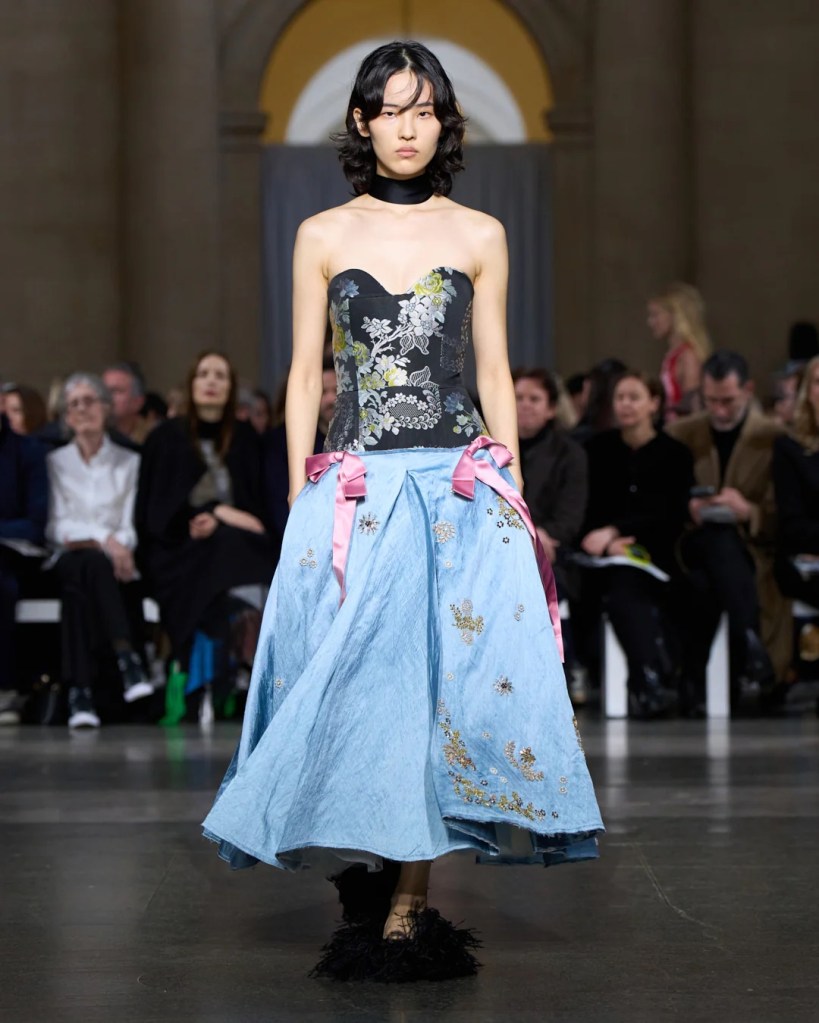
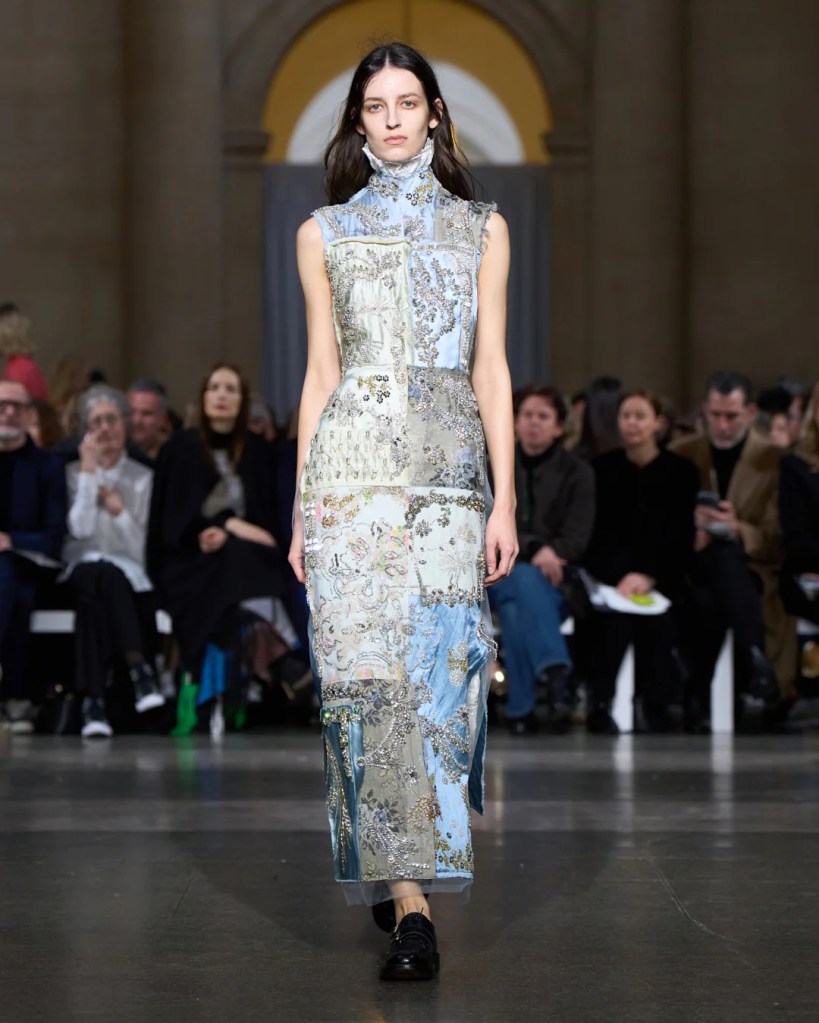
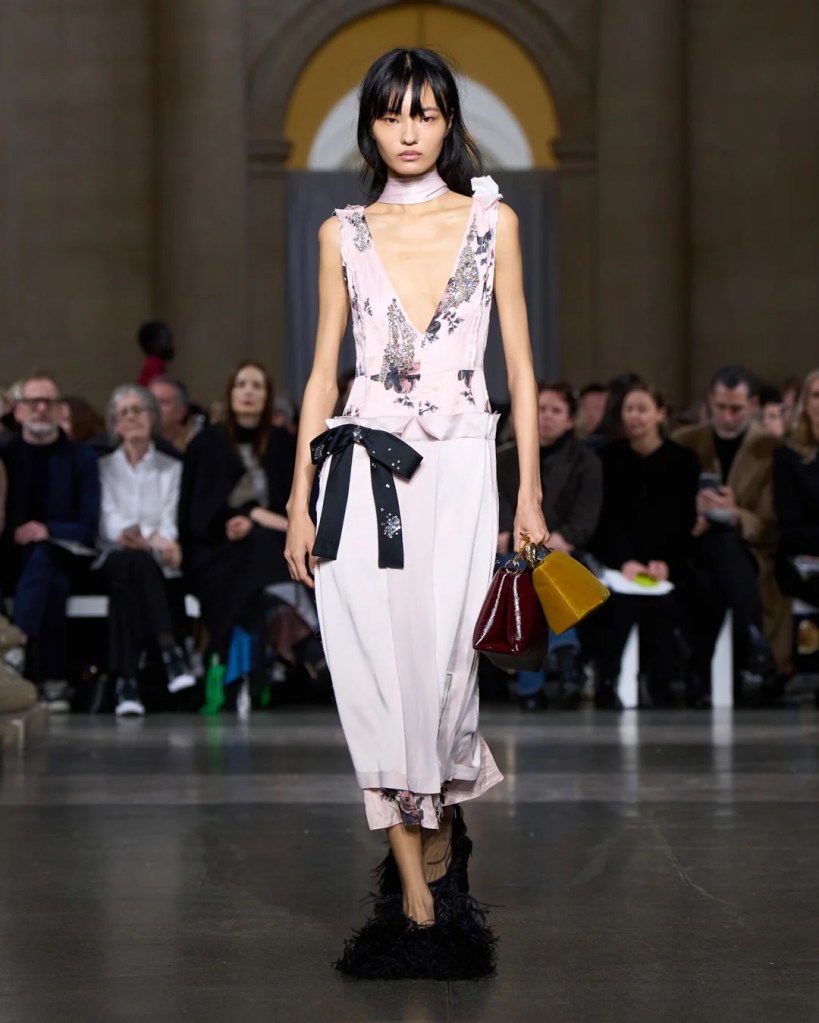
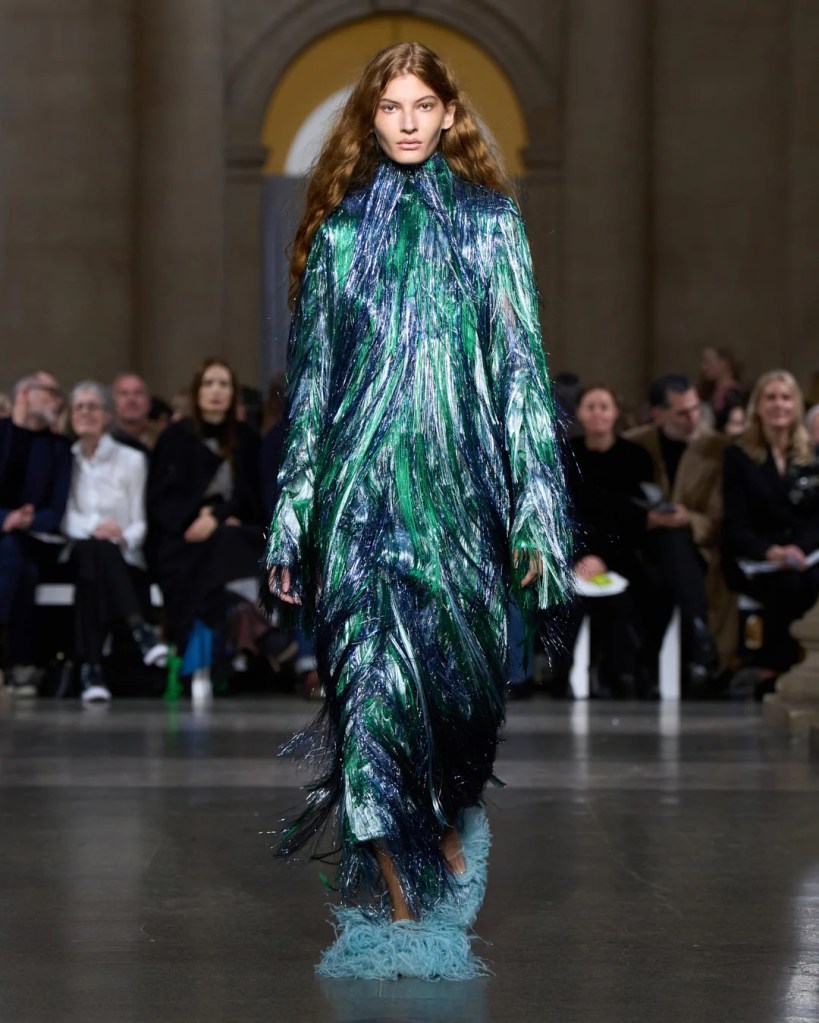
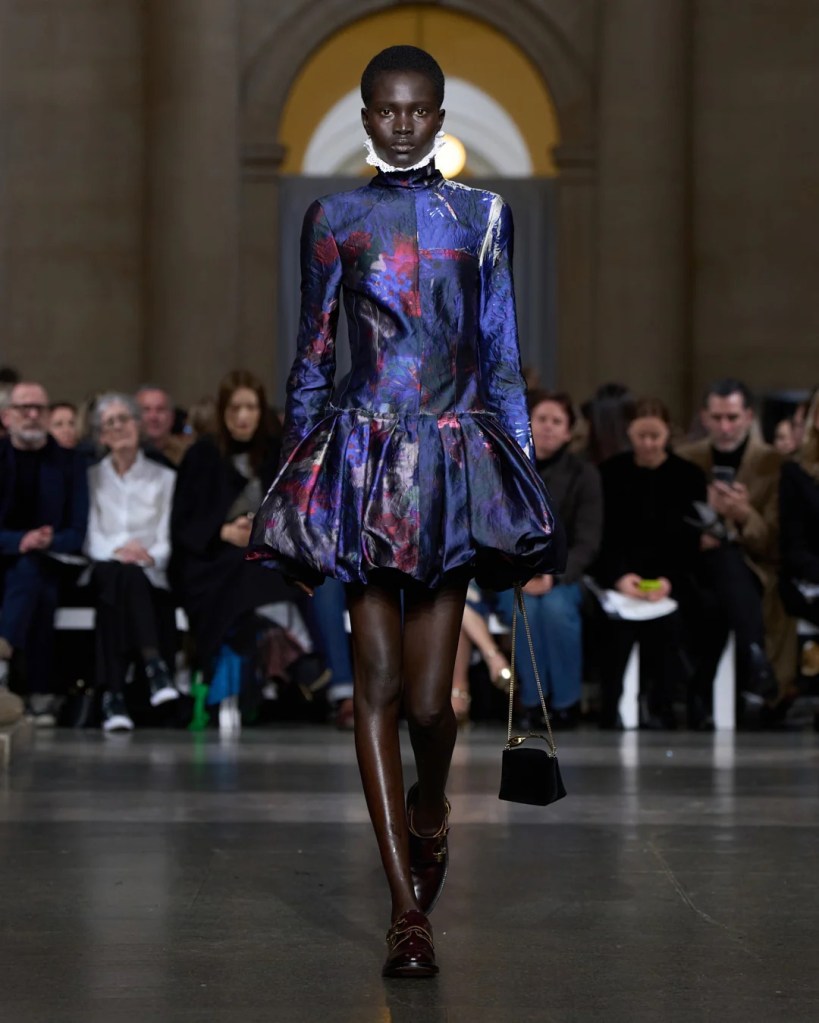
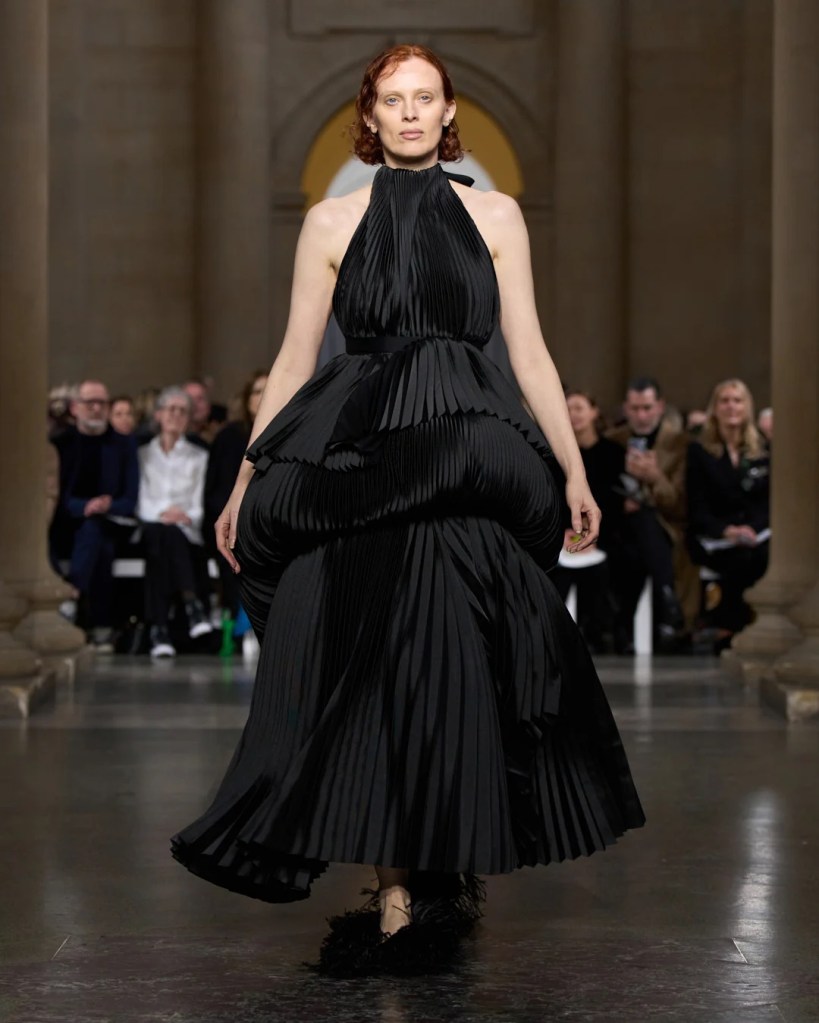
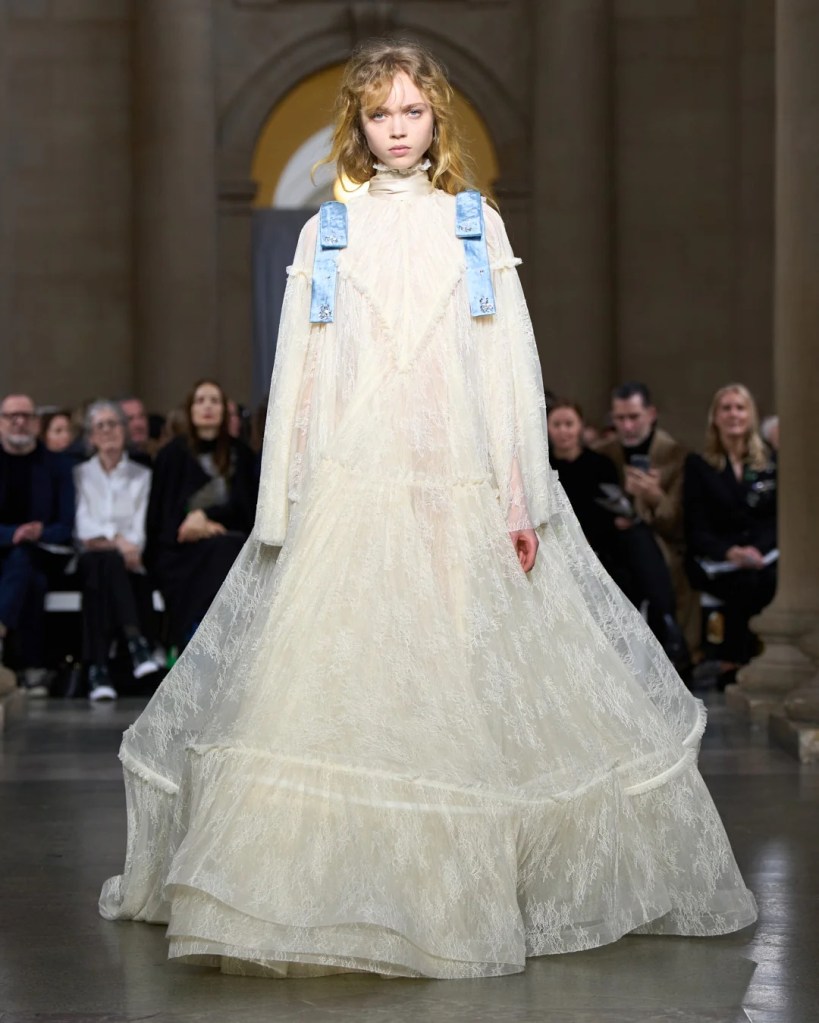
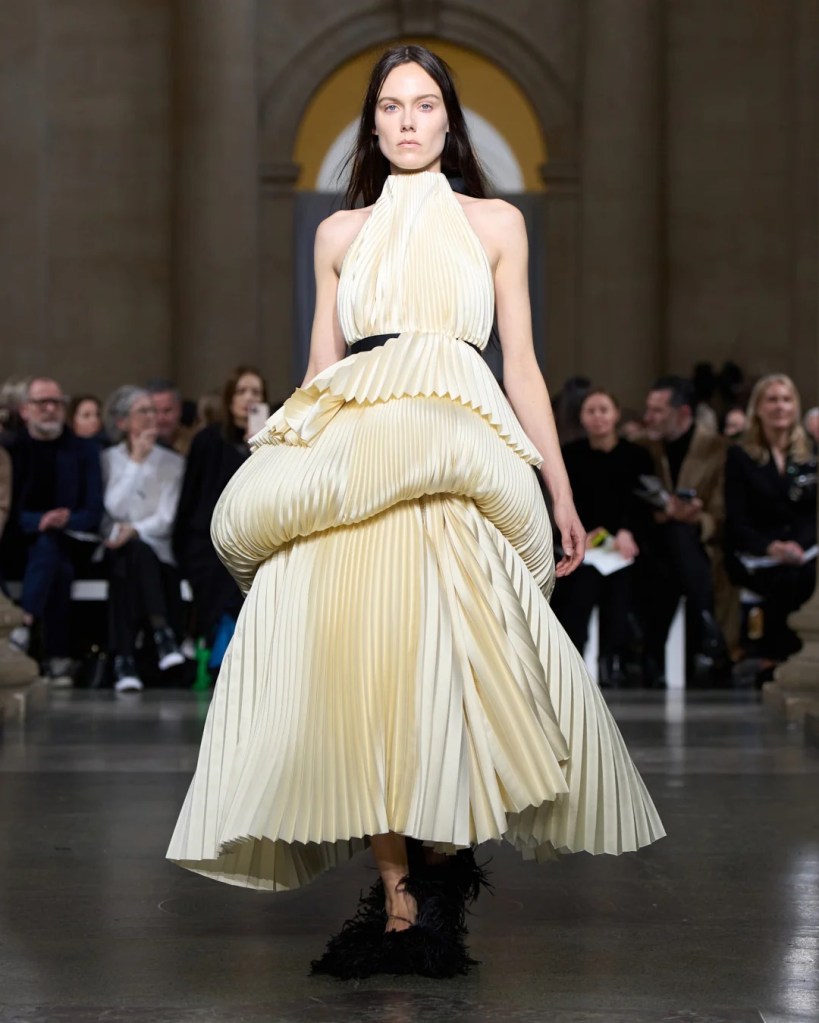
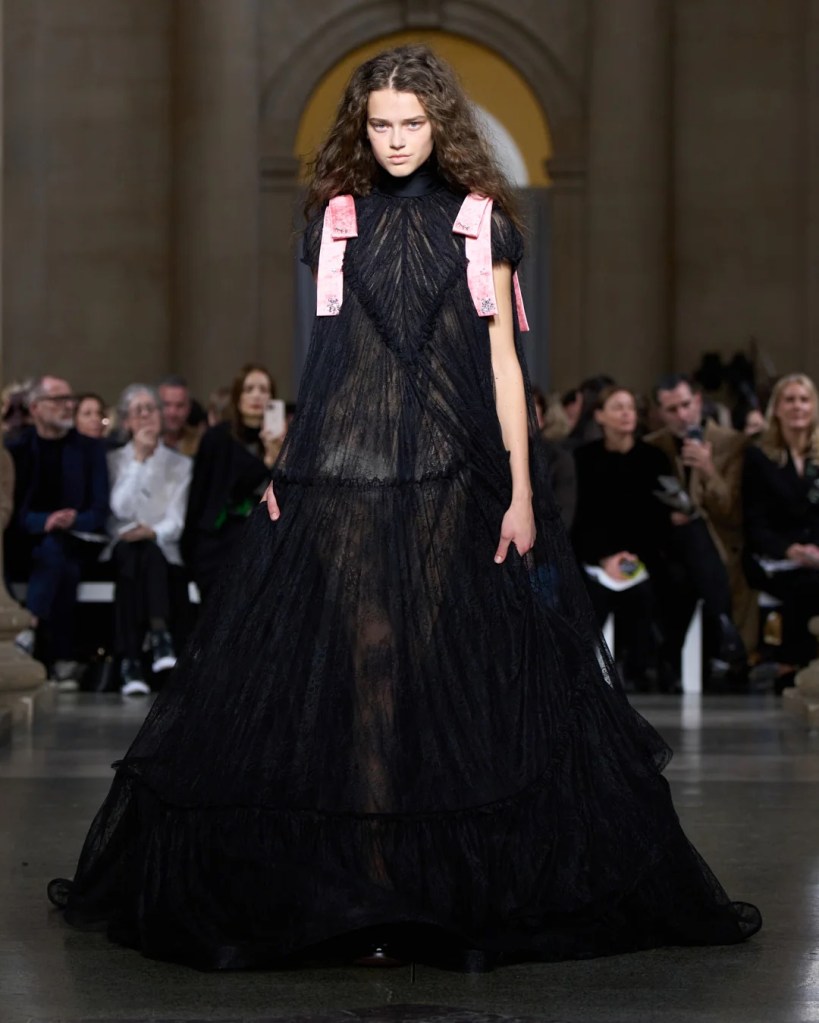
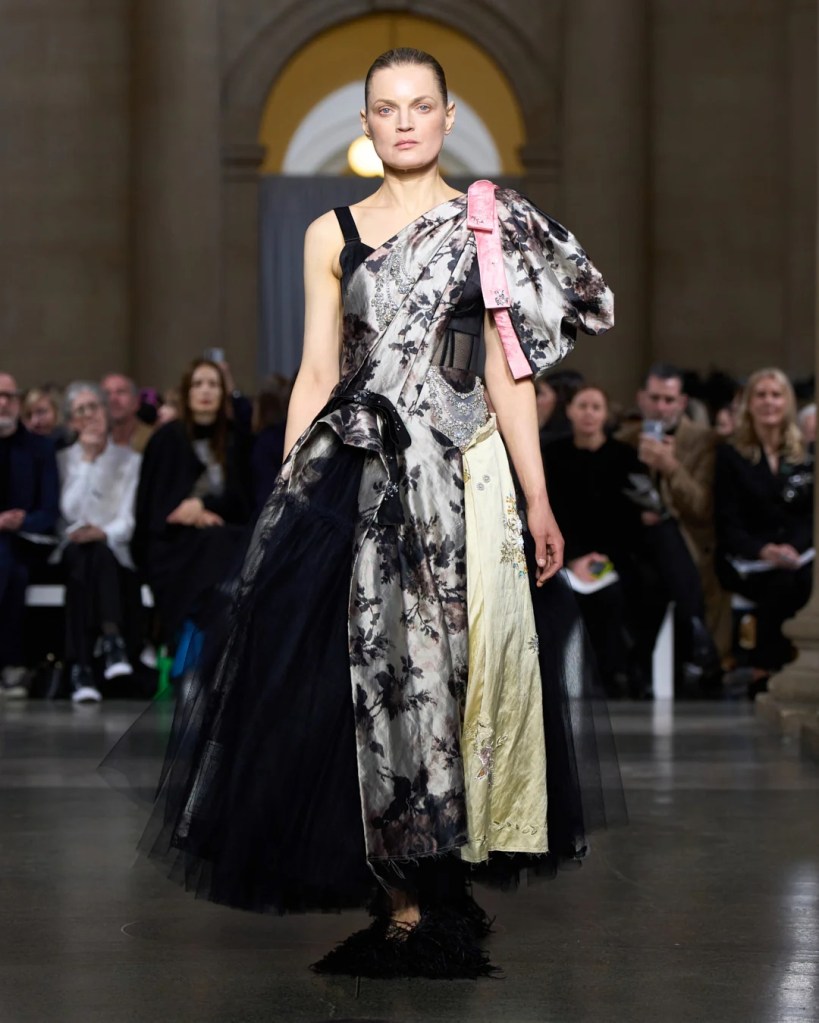
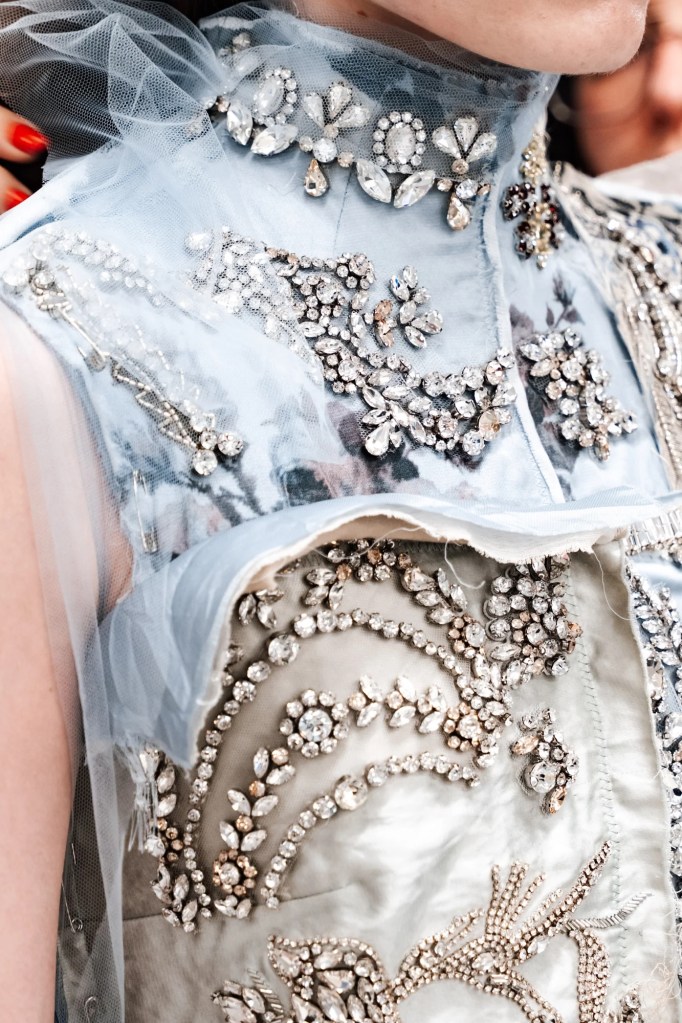
Imaginary Voices, Real Threads: Moralıoğlu’s Fashion Séance
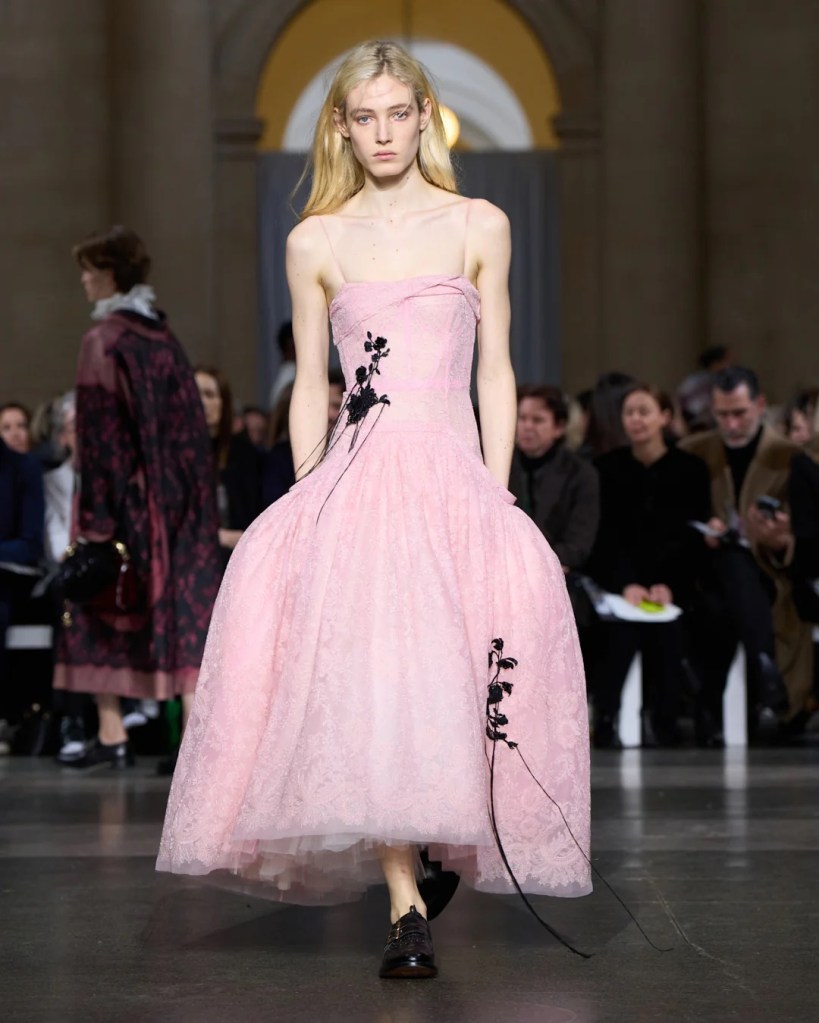
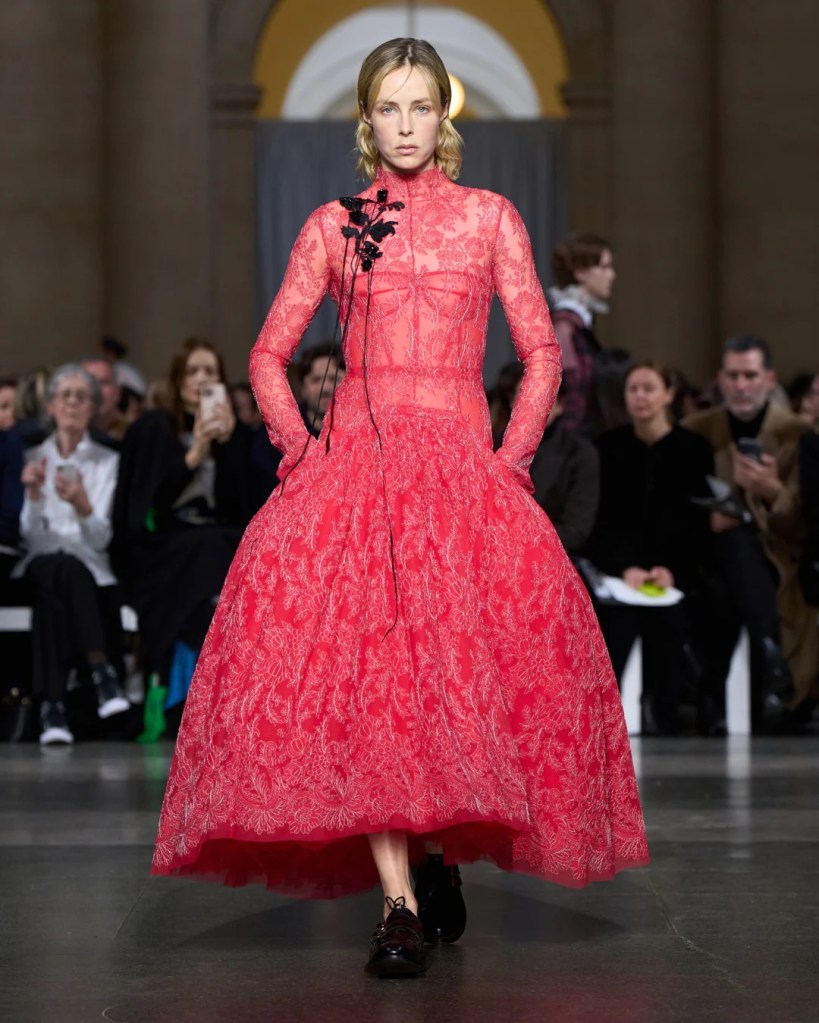
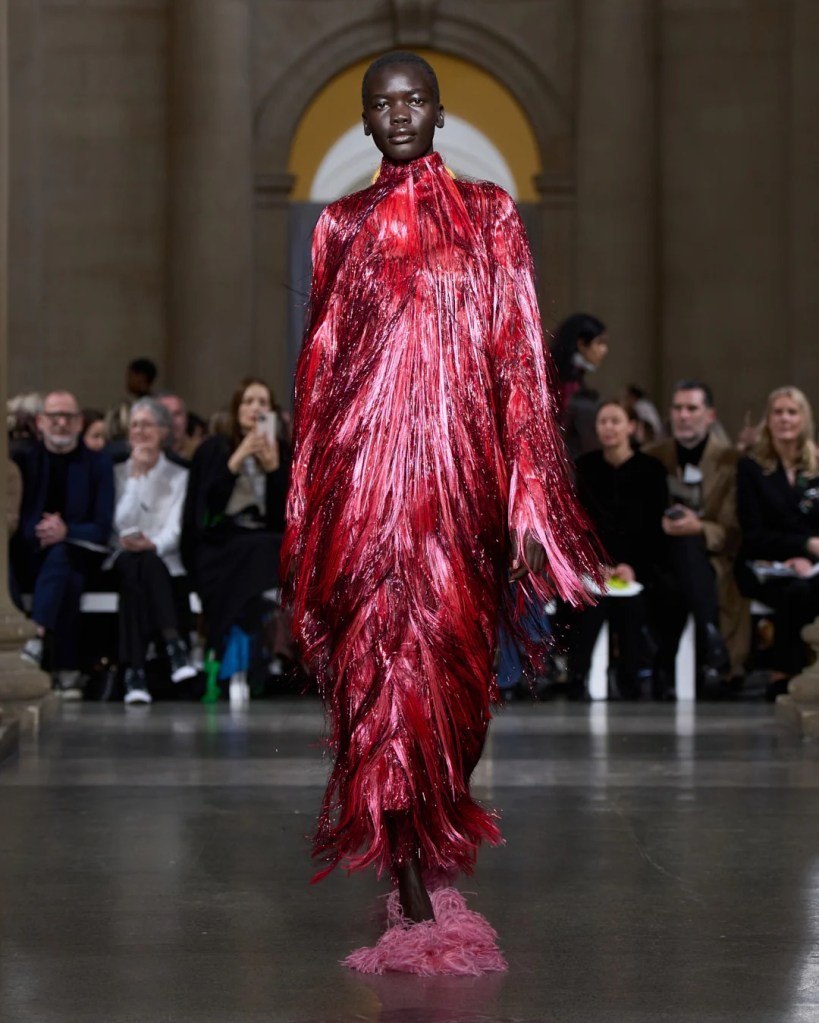
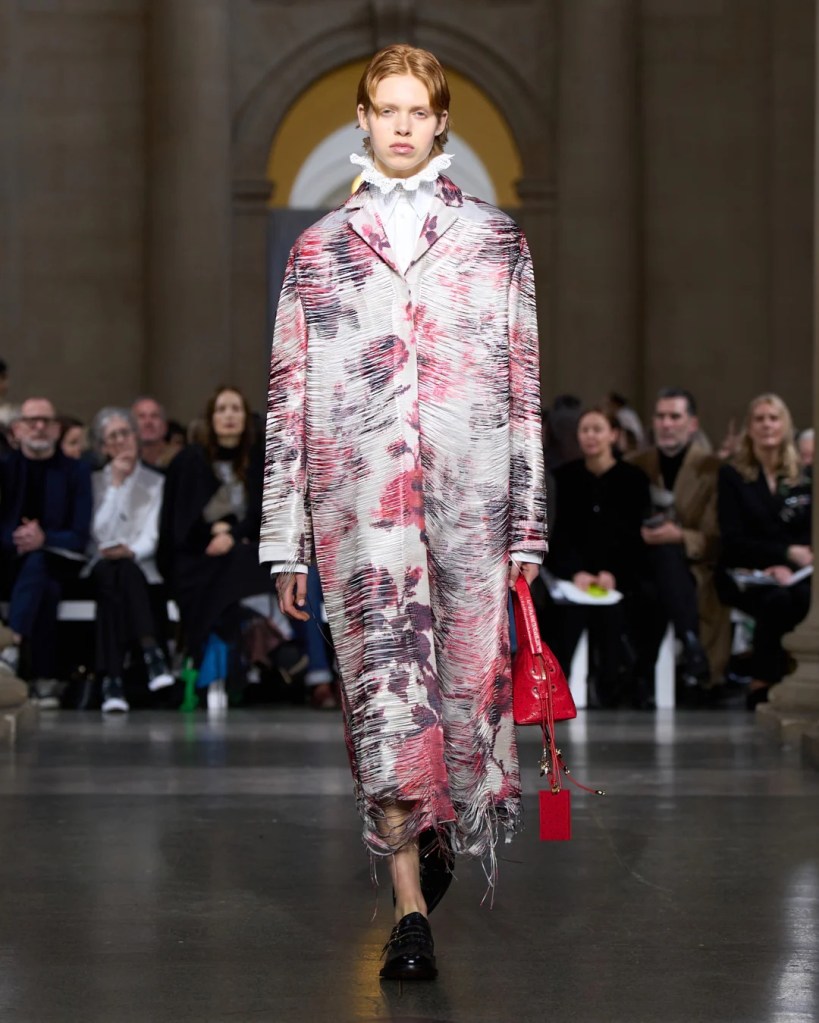
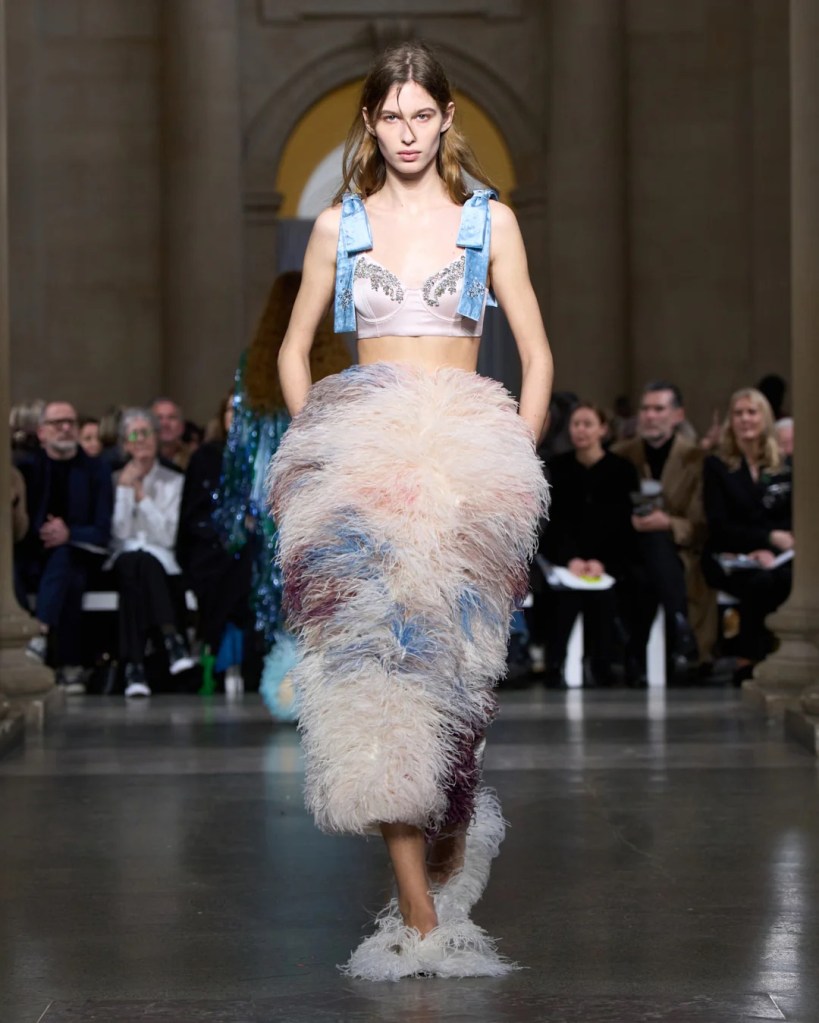
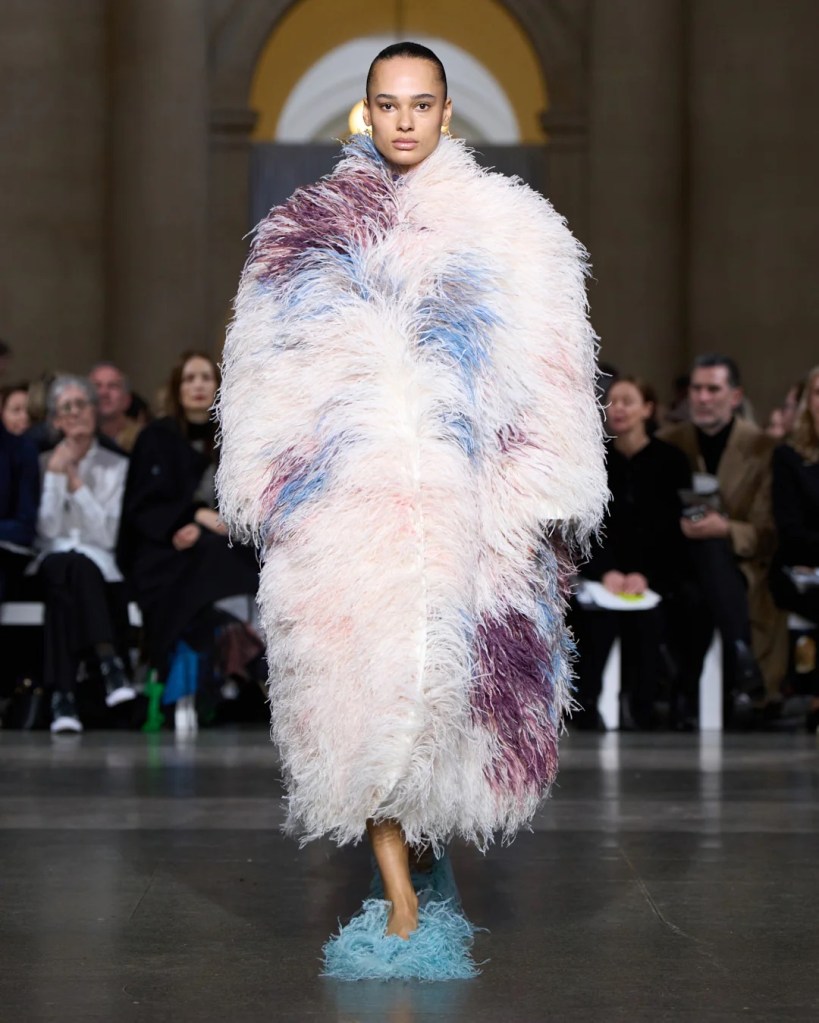
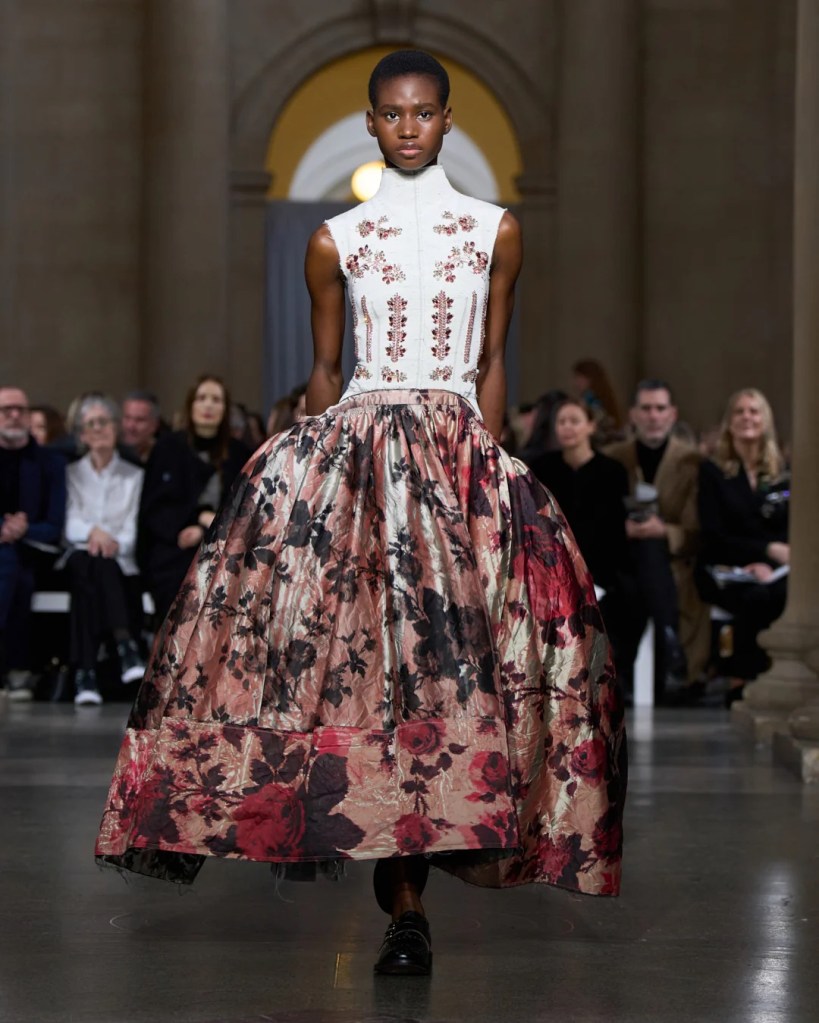
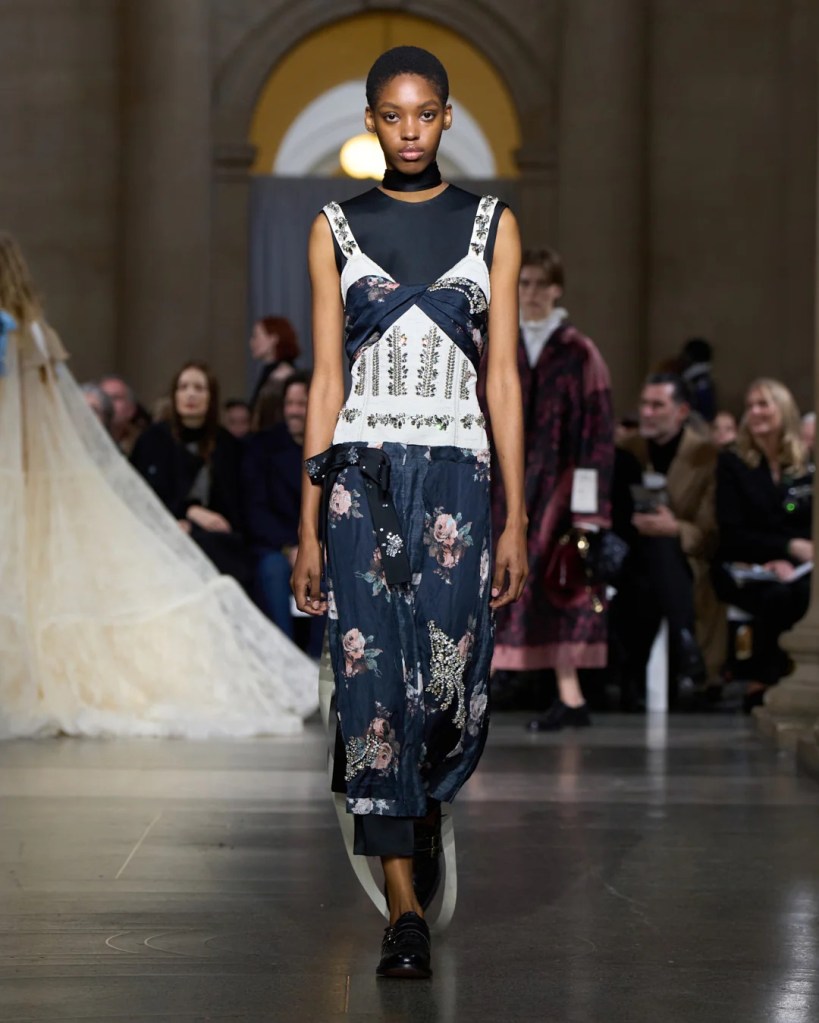
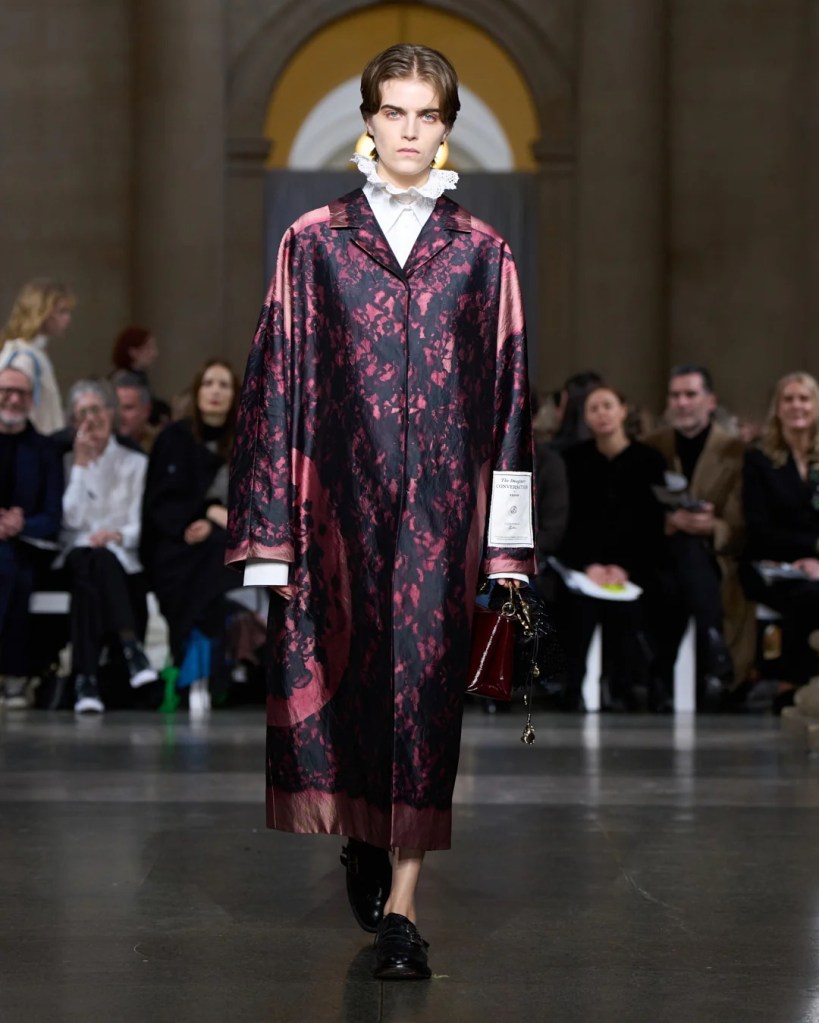
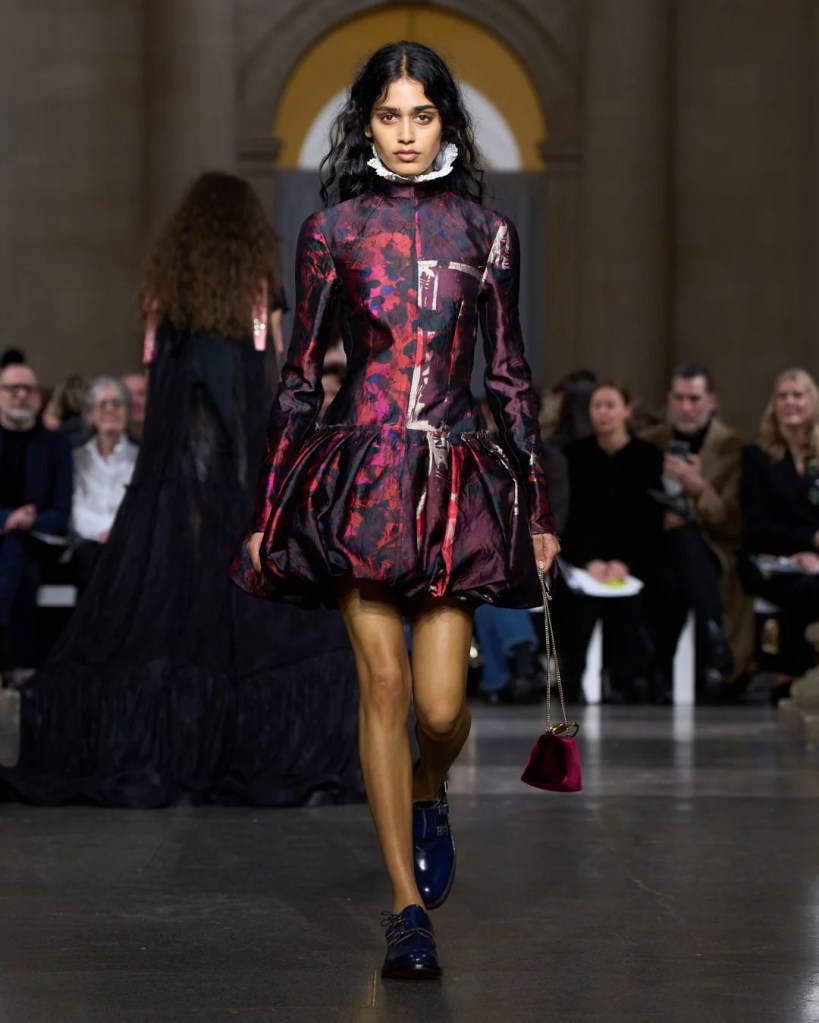
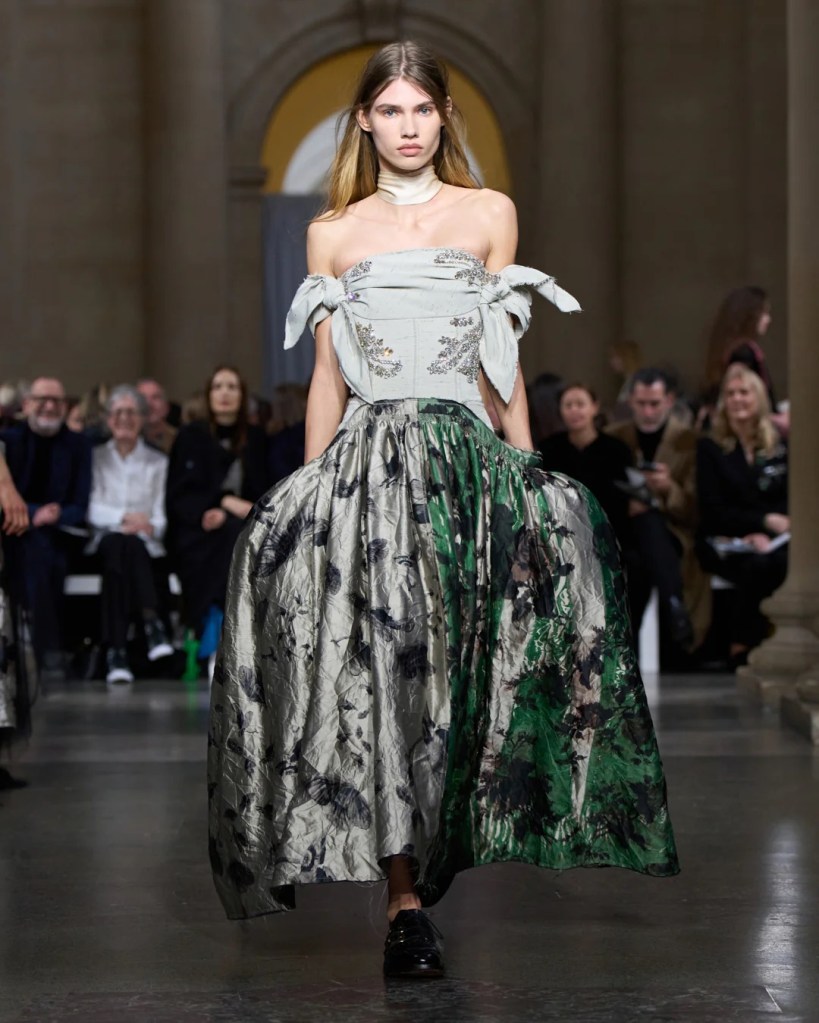
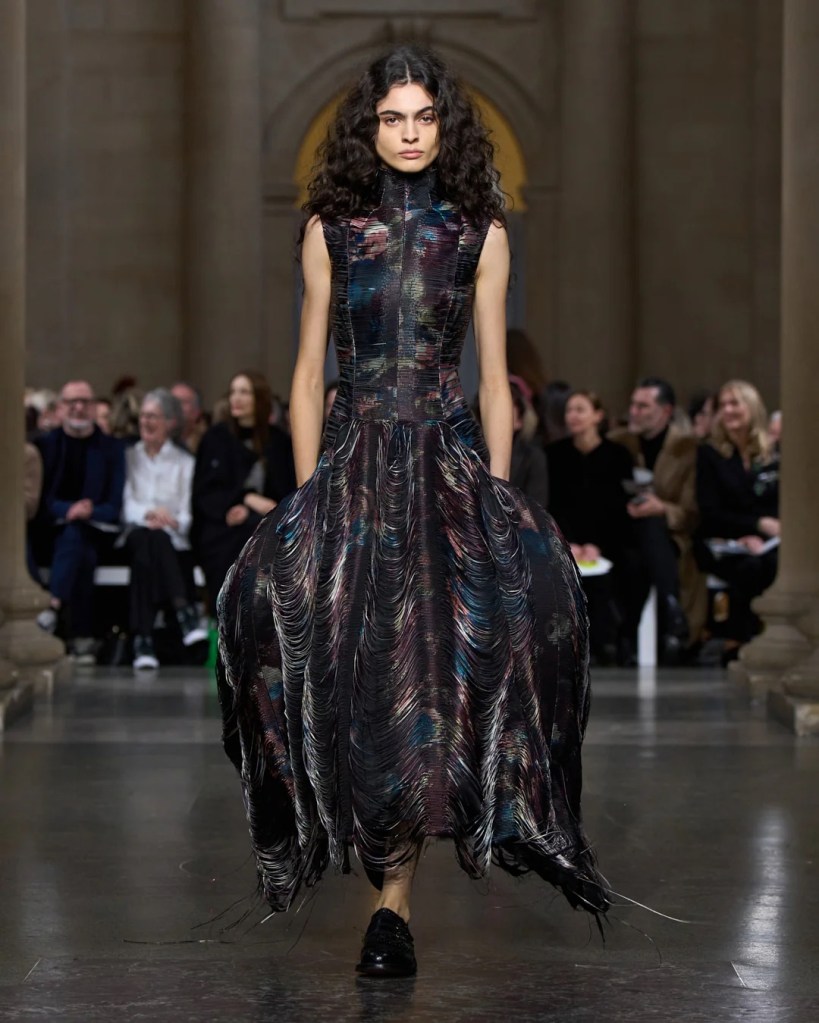
In this season’s reverberating atelier, Moralıoğlu abandons a single muse and invites a chorus. The designer’s latest vision is not a portrait of one woman but a cacophony of them—an imagined séance where Debo debates with Tina Modotti and Radclyffe Hall converses with Maria Callas. The collection, titled The Imaginary Conversation, is less a line and more a living dialogue, a souvenir of meetings that never happened, stitched into fabric and form.
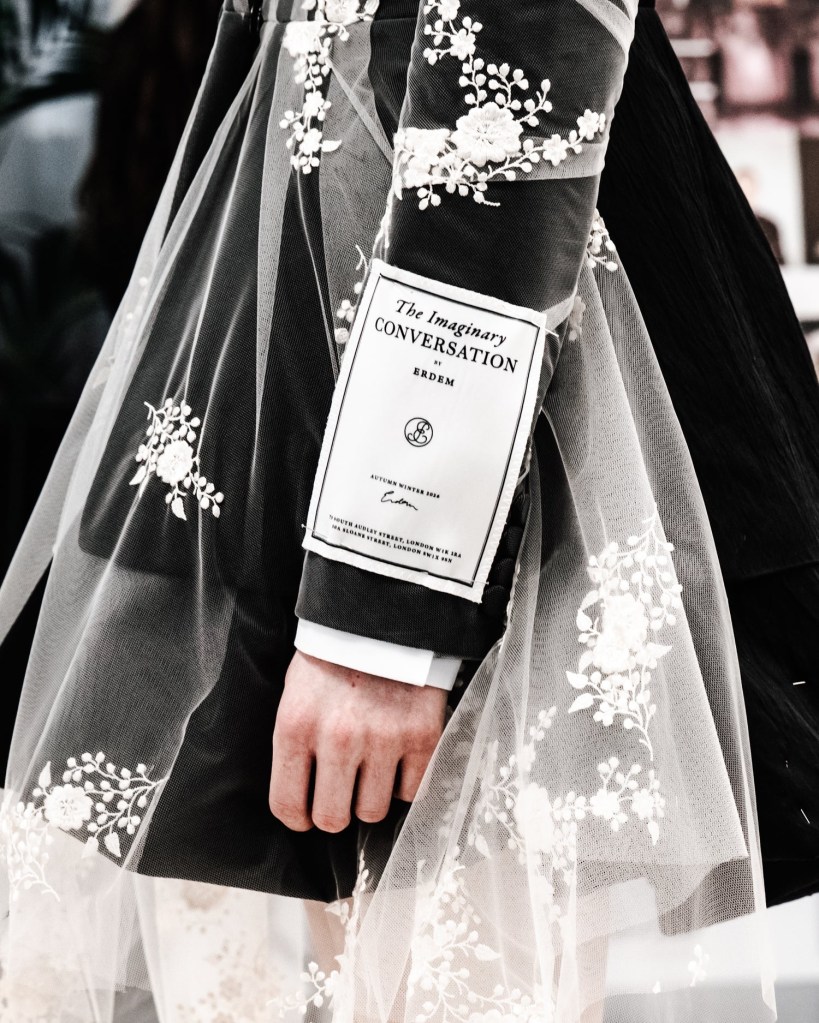
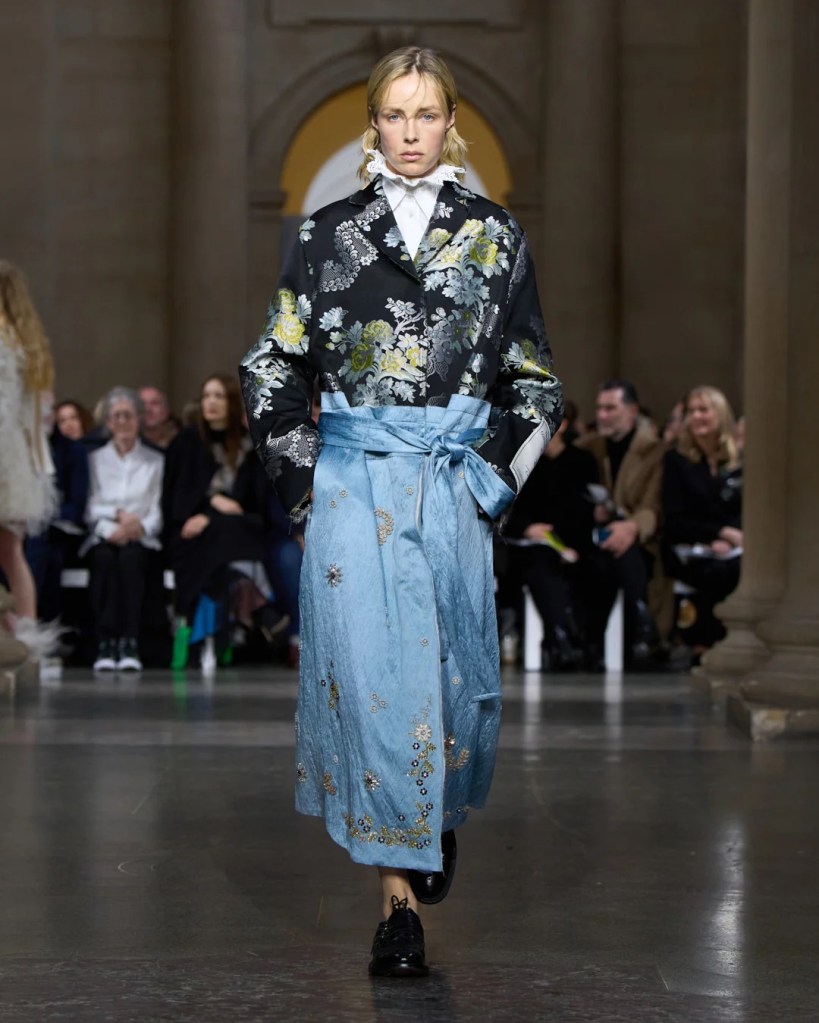
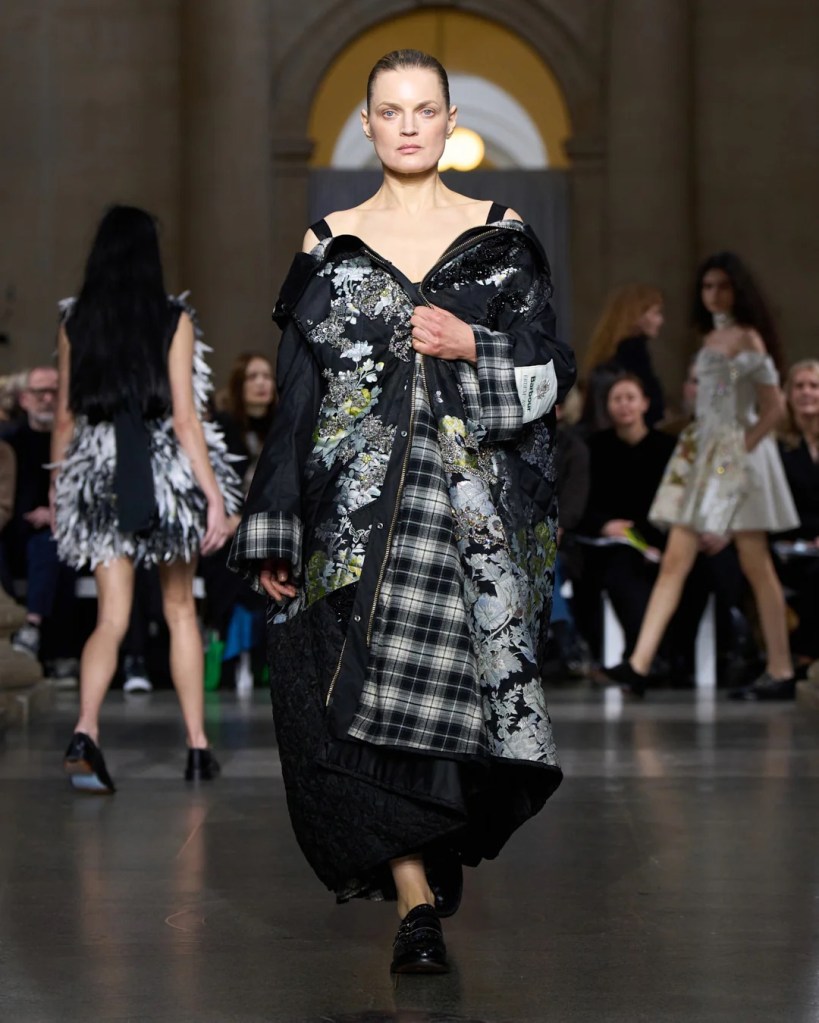
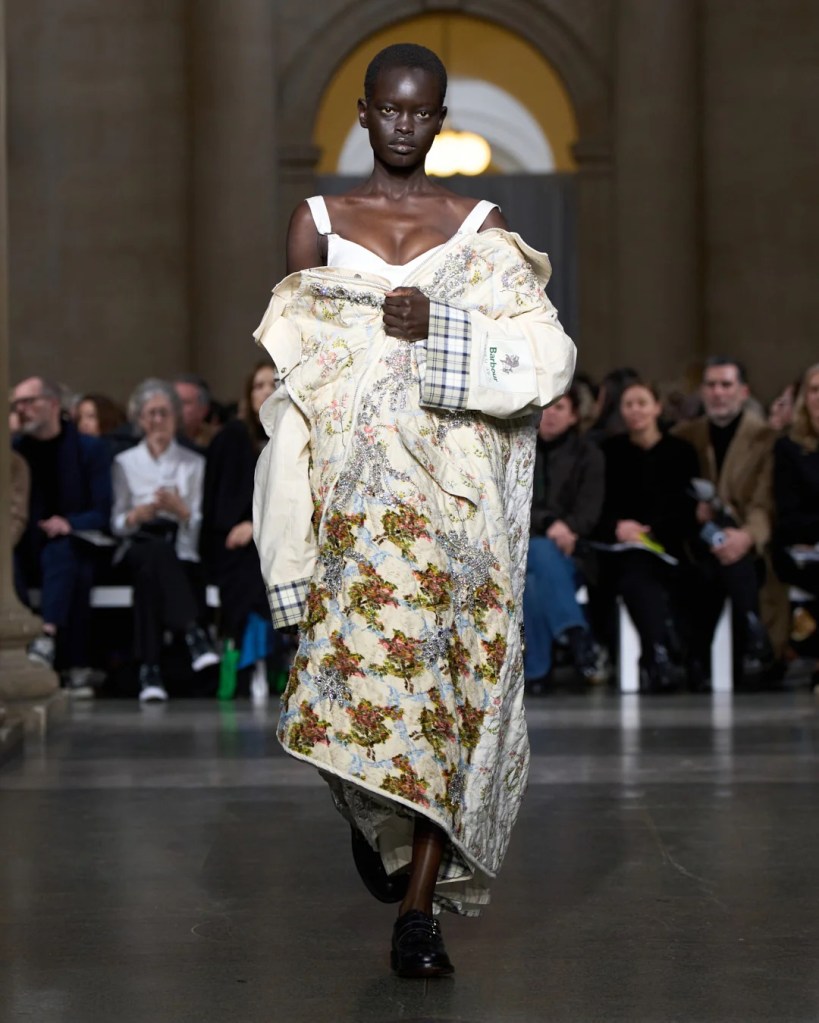
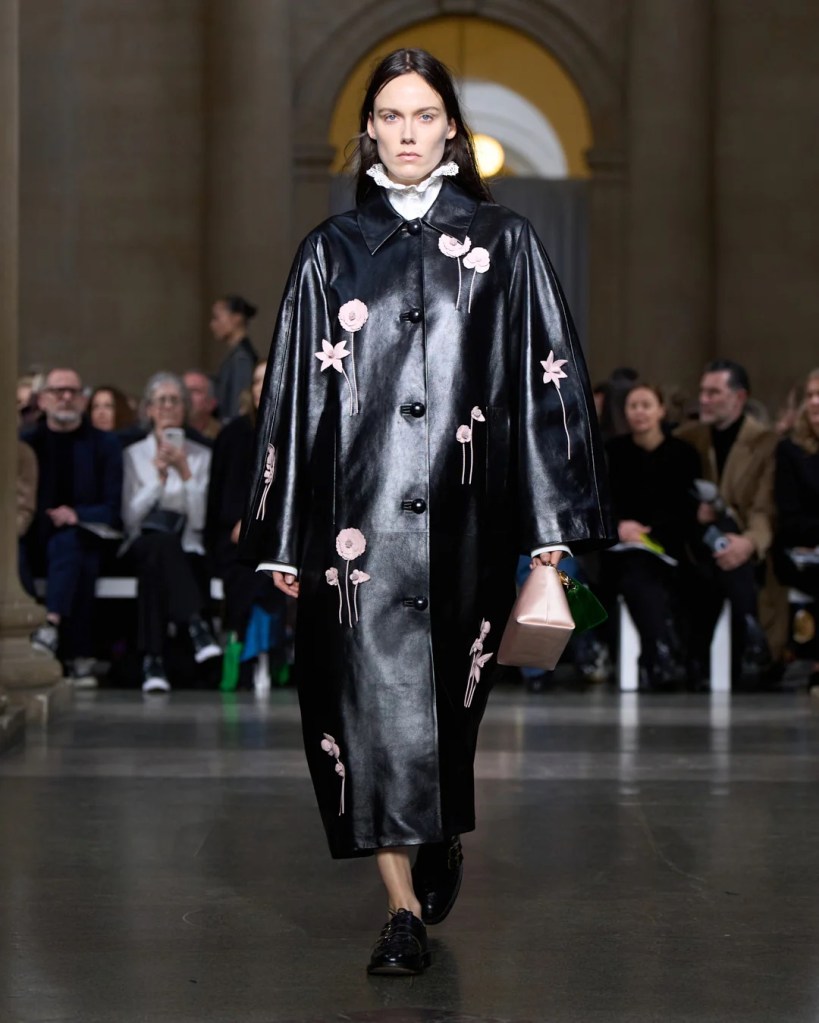
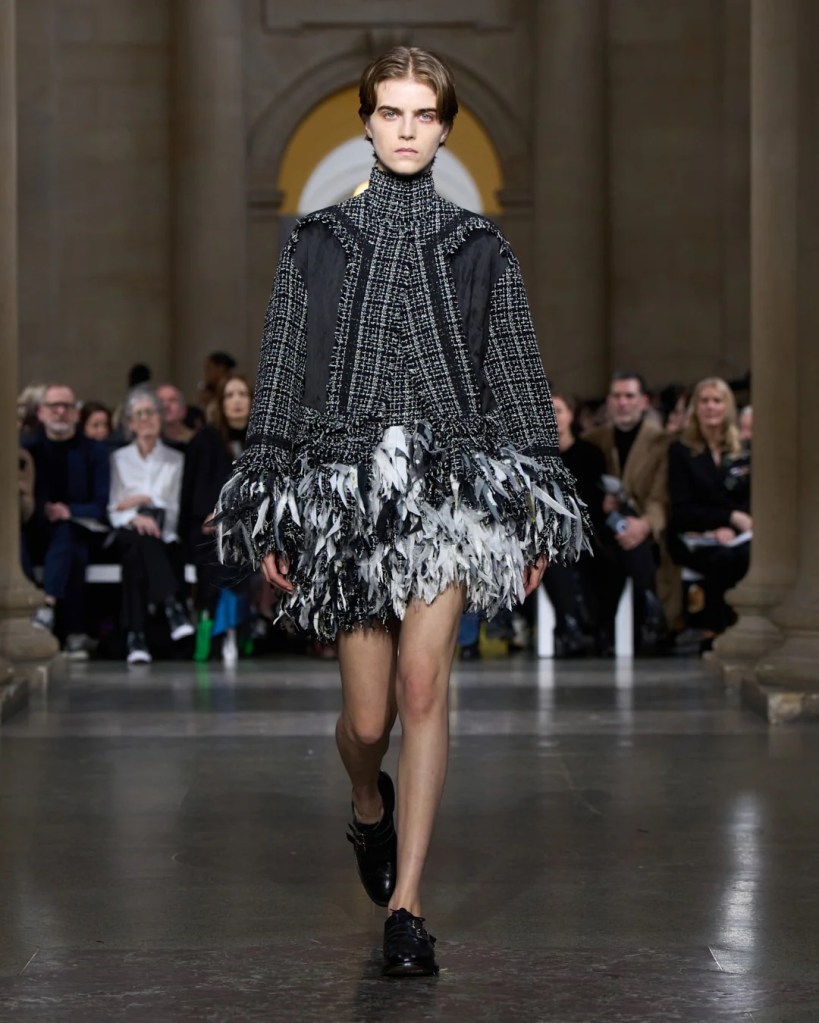
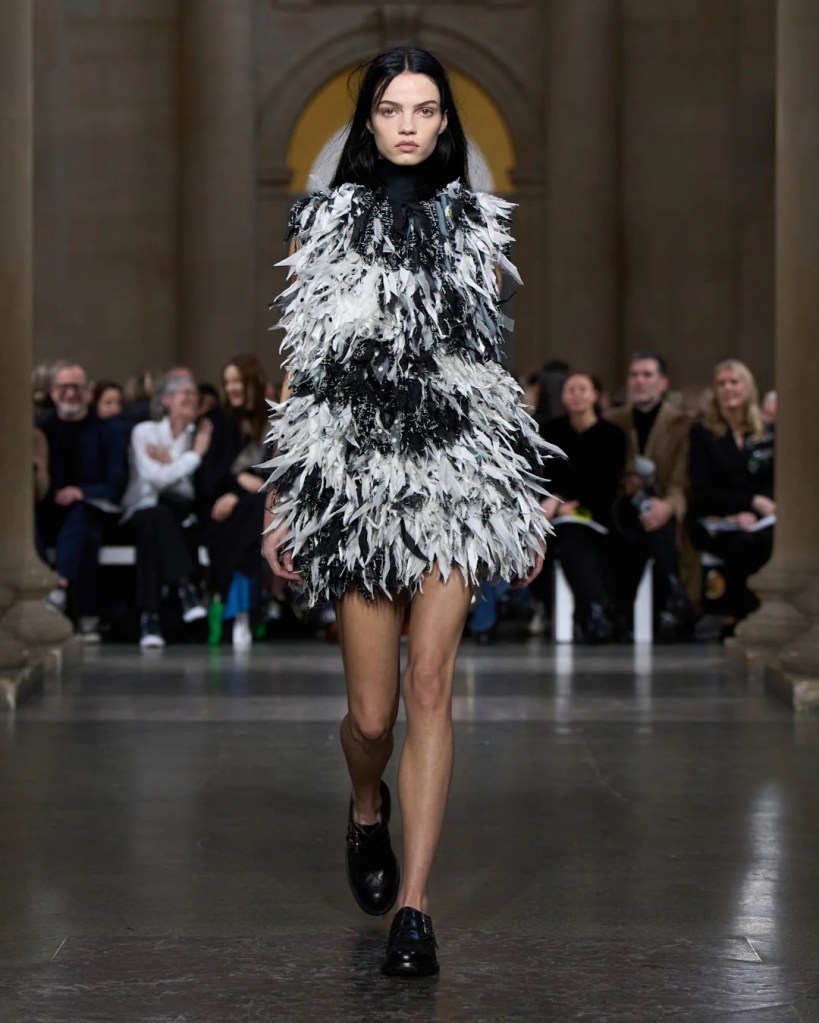
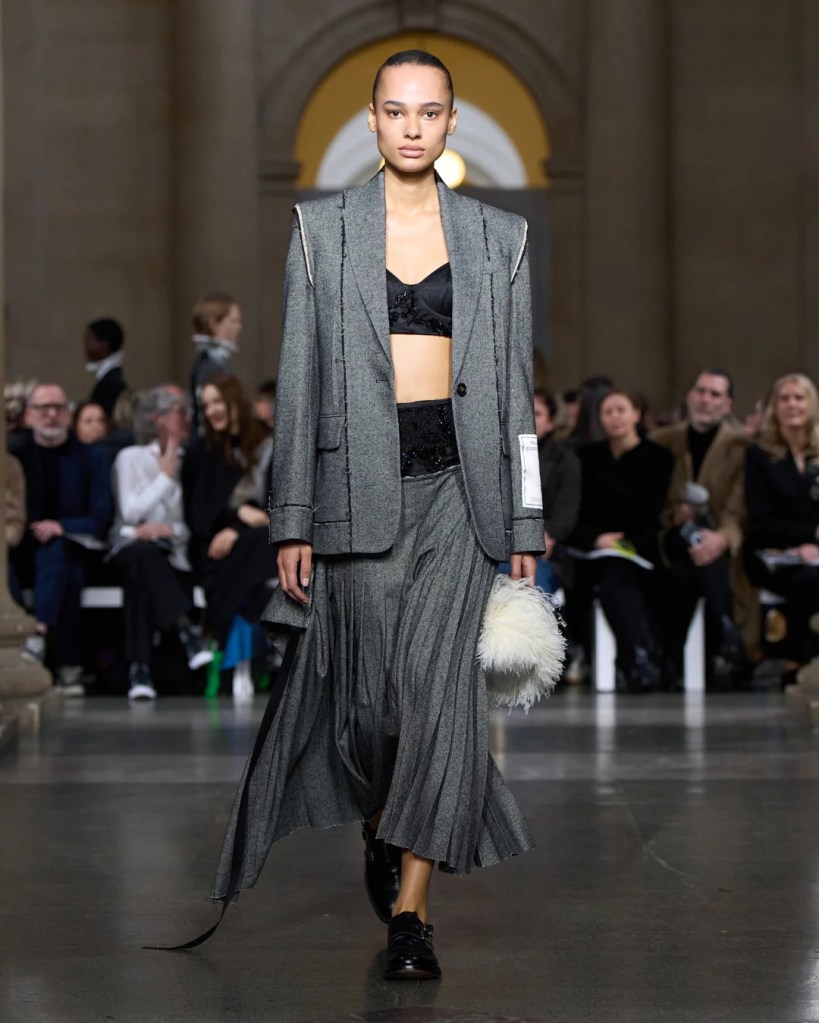
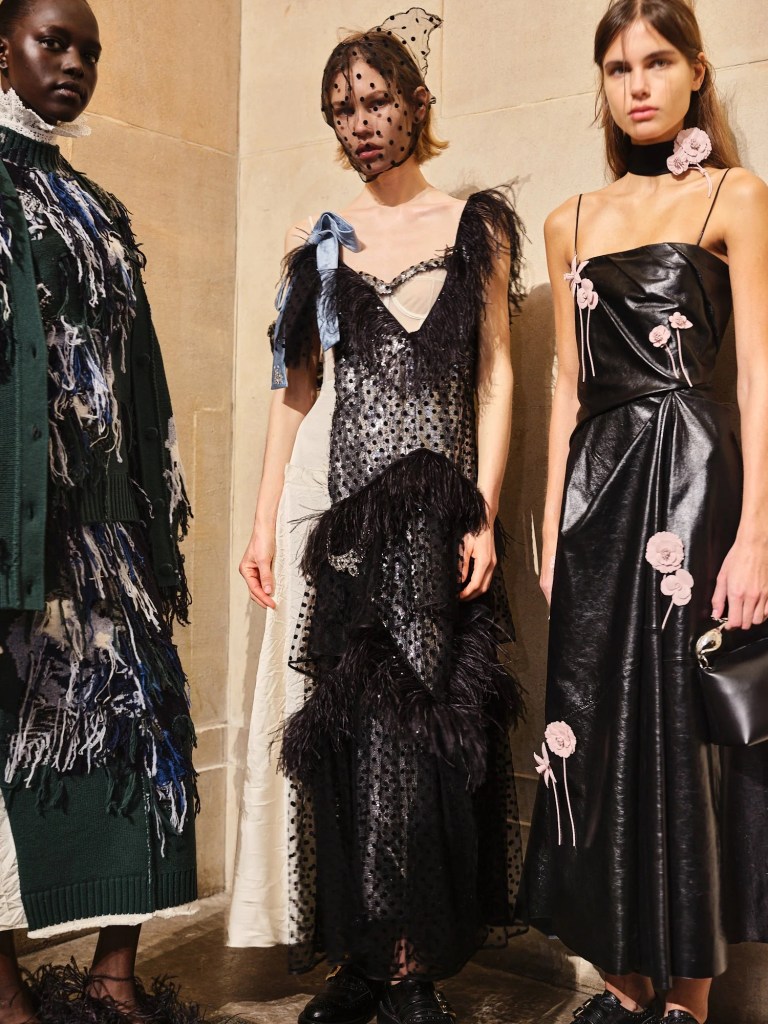
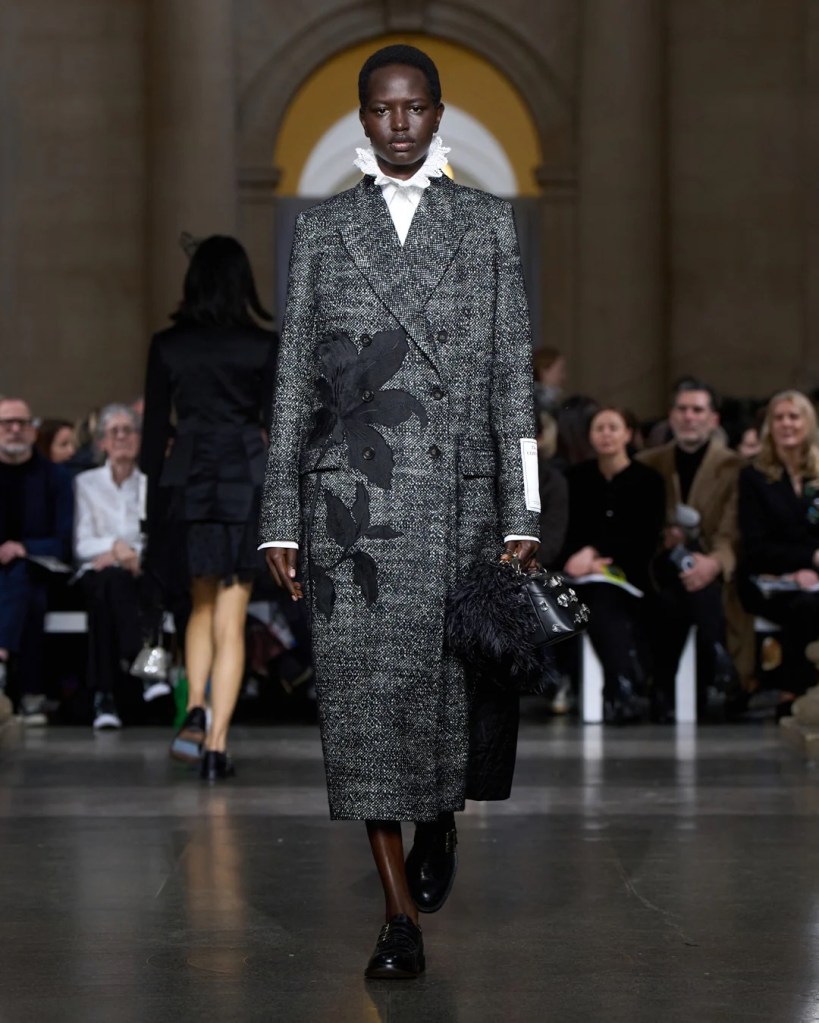
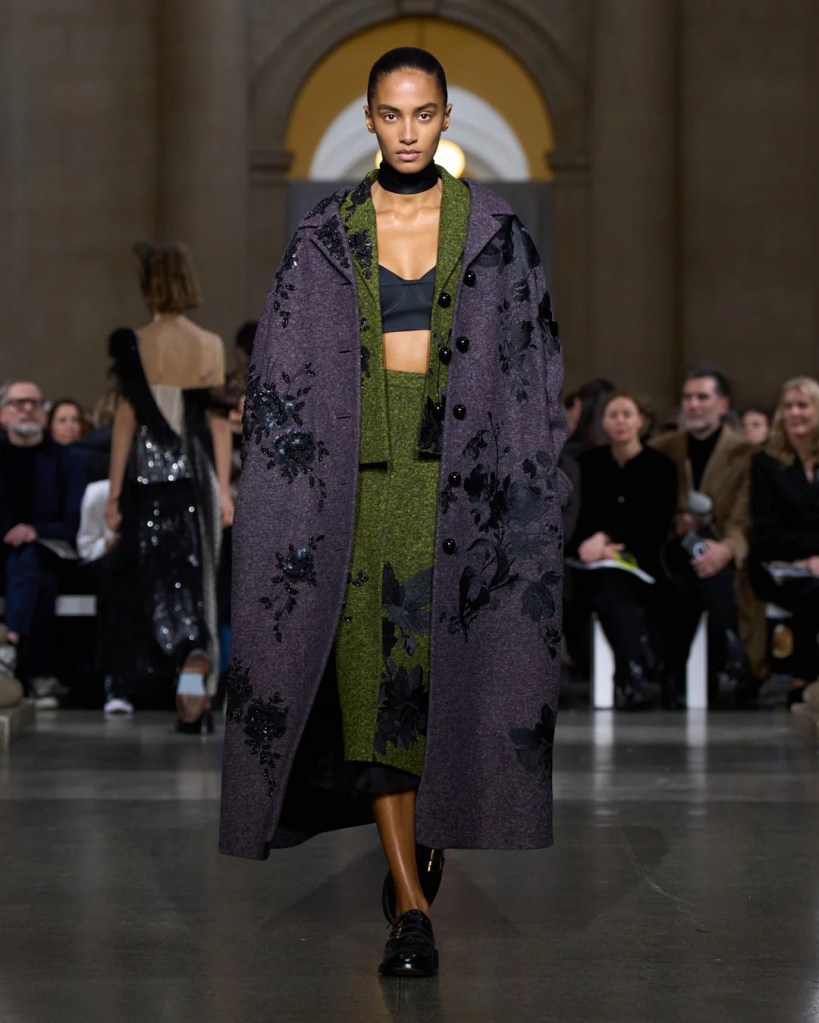
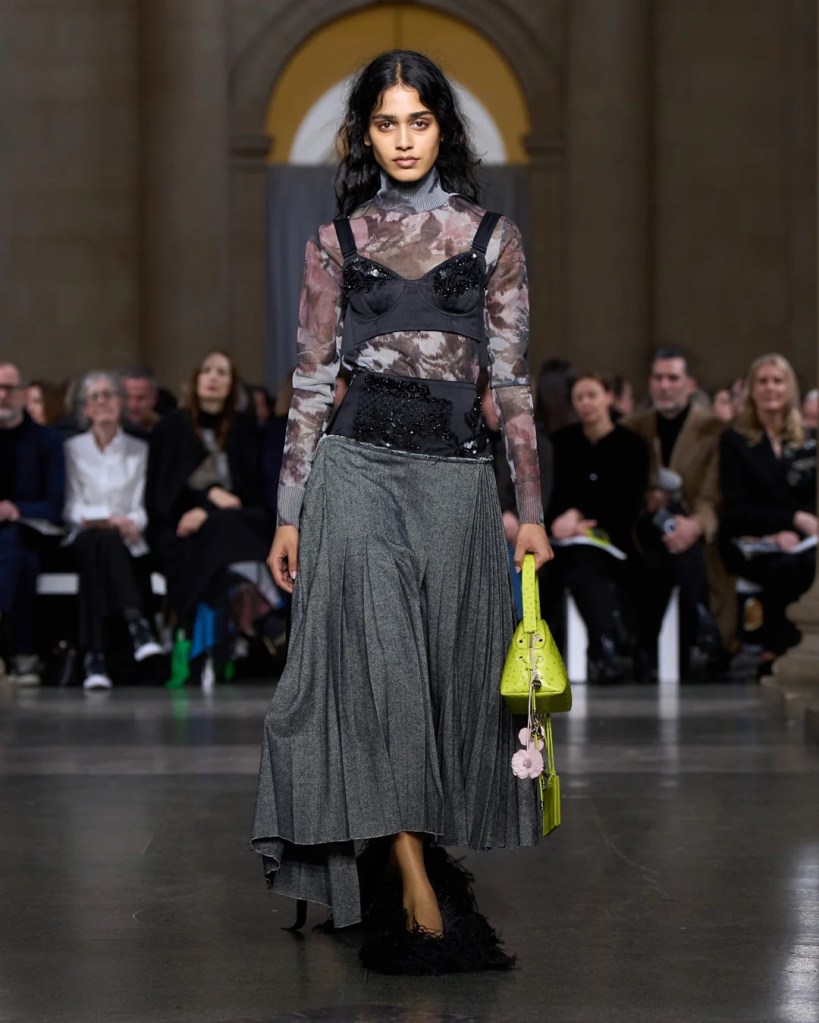
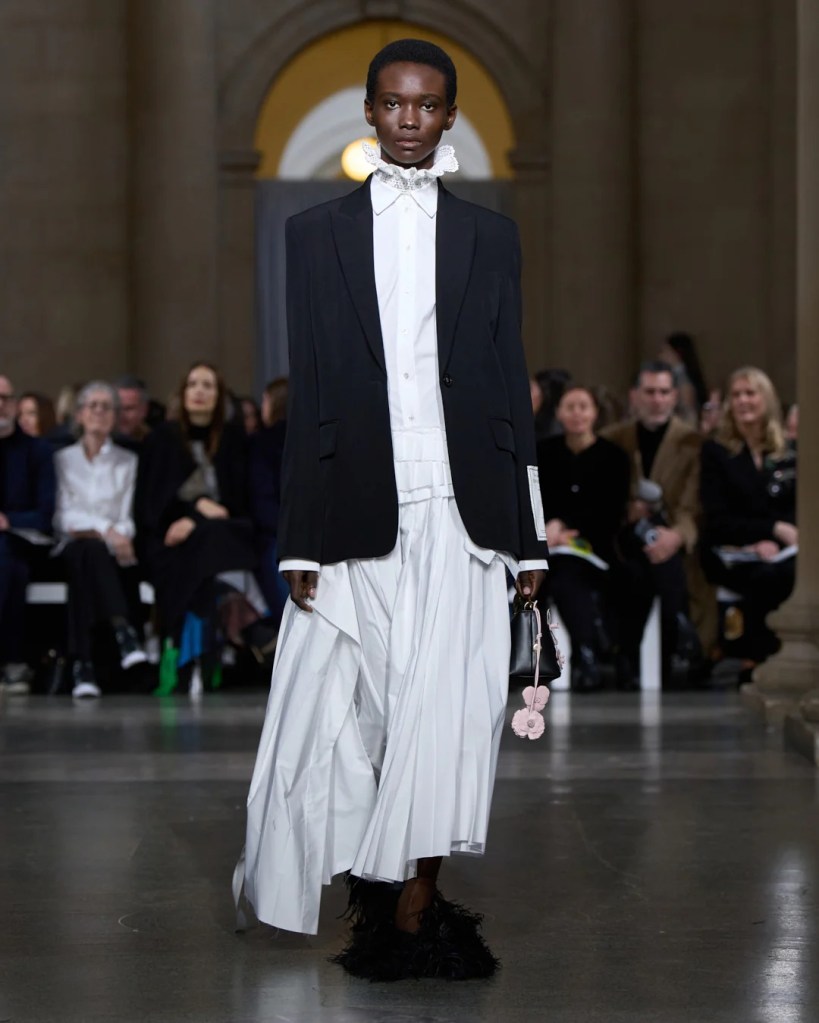
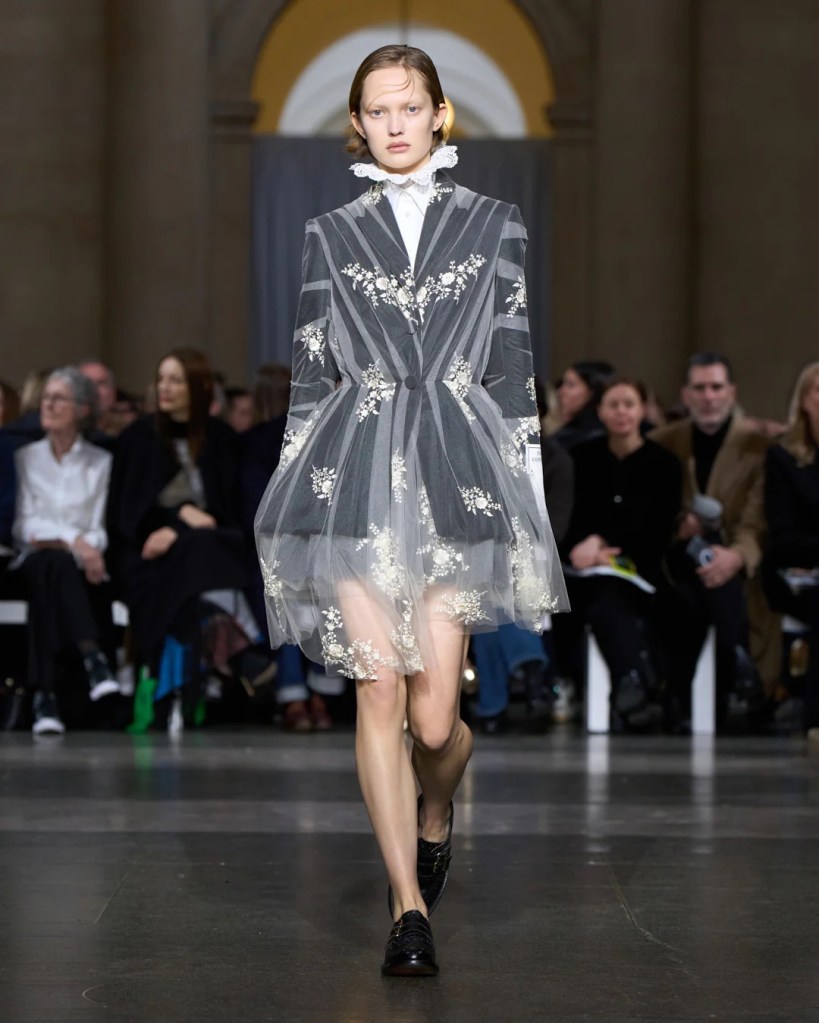
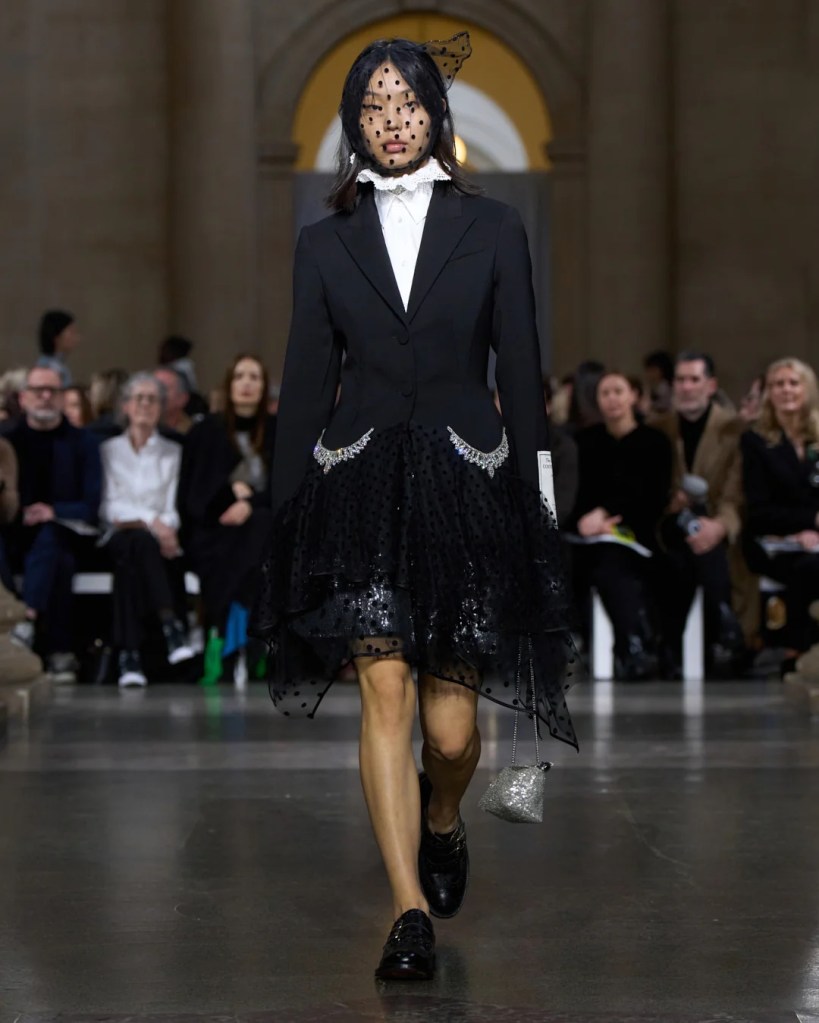
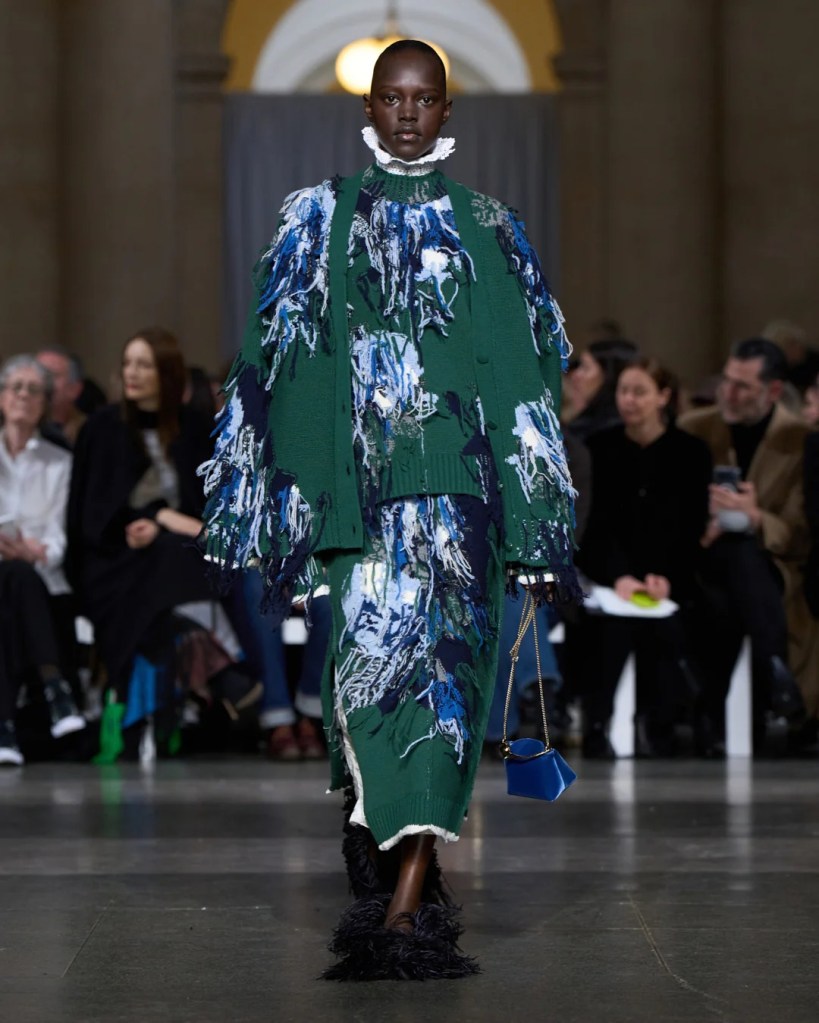
Moralıoğlu’s studio remains a cabinet of echoes: archival labels, timeworn portraits, and the tactile memory of fashion-making in progress. Dresses rise from the loom as if to speak—embroidery laid, bows tied, seams aligned. Outerwear widens the spectrum, patching brocade with Barbour waxed cotton; tailoring is veiled in delicate dustcovers of tulle, balancing fragility with resilience. The mood shifts from homage to dialogue, as if the room itself listens for the next counterpoint in the imagined conversations.
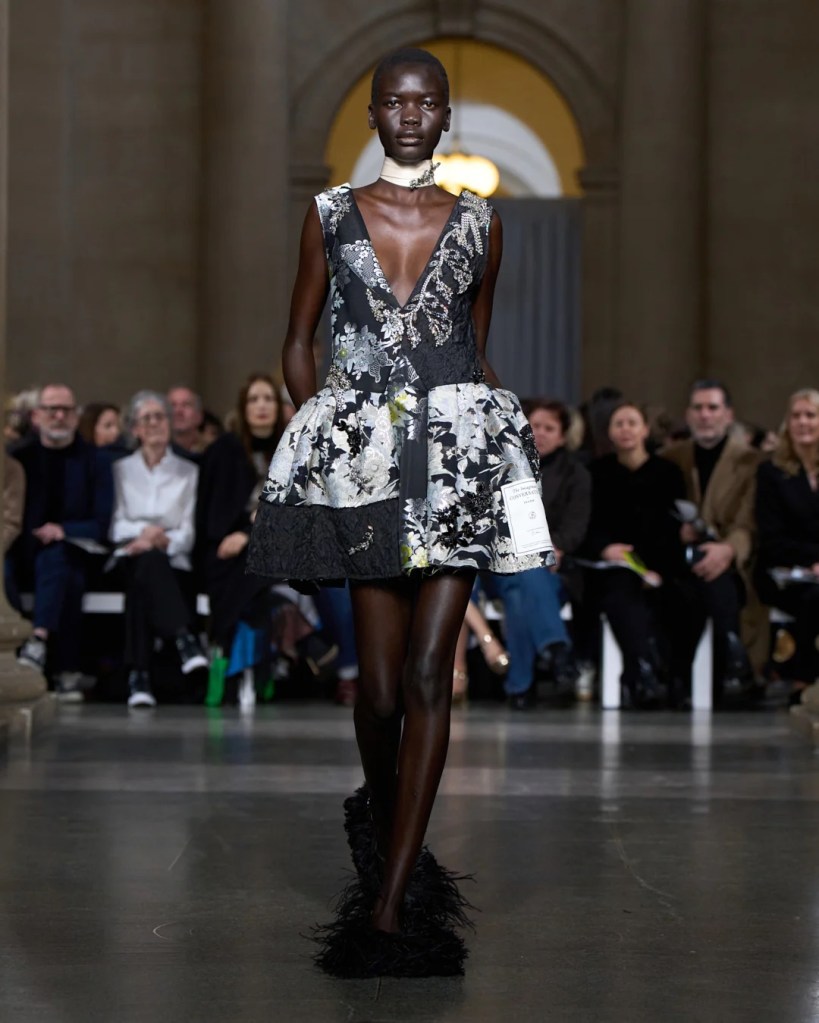
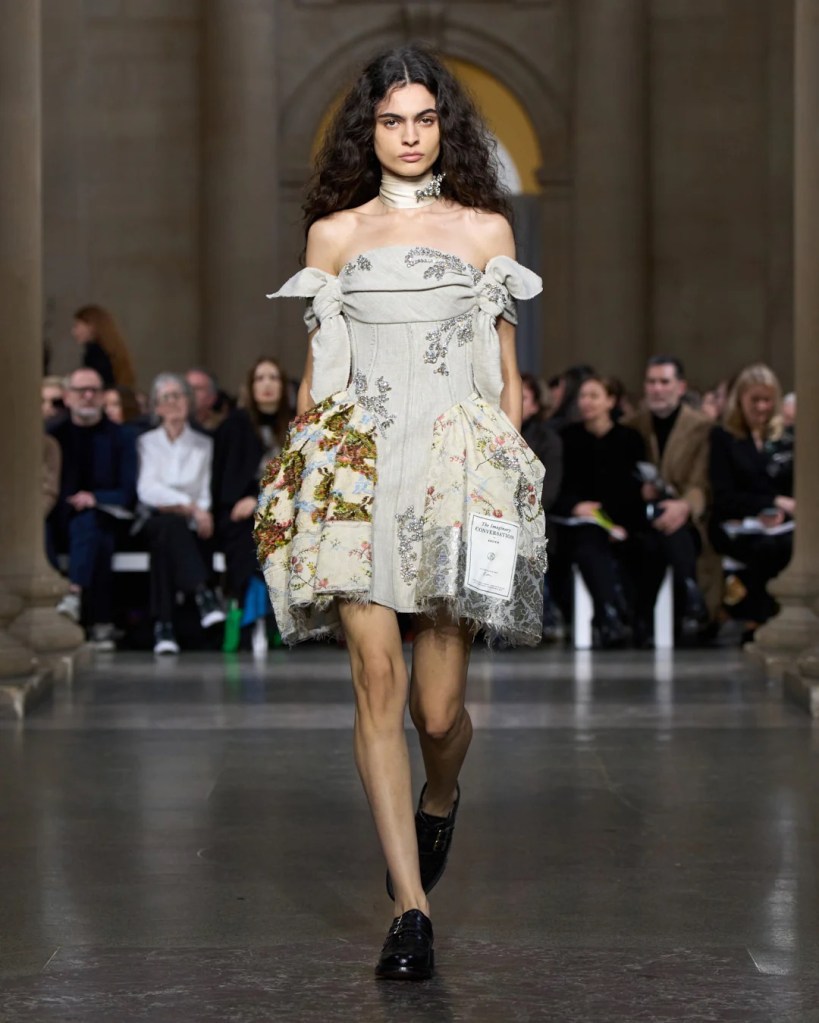
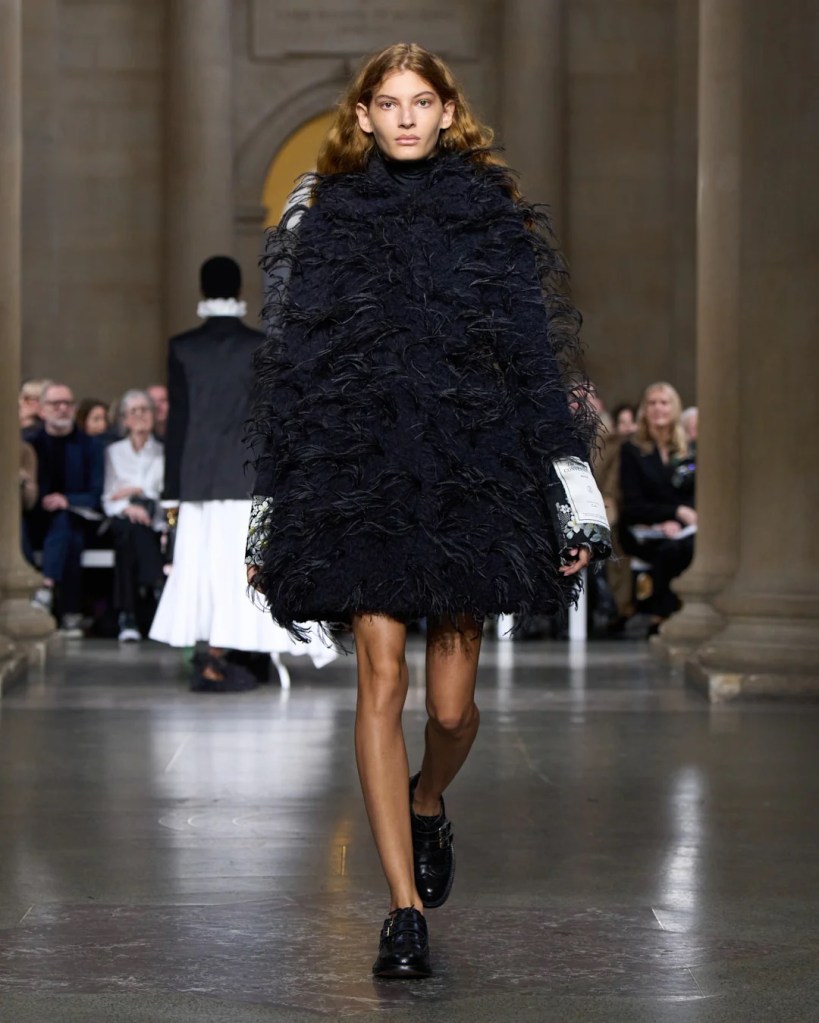
Oversized, museum-like labels—this collection’s forensic heartbeat—mark each piece as evidence in a conversation rather than a finished garment. They invite us to catalog voices, not merely to clothe the wearer. The result is a narrative wardrobe that reads like an exhibit of possibilities, where every stitch is a footnote in a broader dialogue.
The show thickens at the hinge between tome and loom. Moralıoğlu’s recent co-authored tome with Rizzoli, released last October, journeys through historical artworks and photography by Tyler Mitchell and Paul Kooiker, threading conversations with Glenn Close (whom Moralıoğlu has dressed) and reverence for Christian Lacroix (an idol, even when not a collaborator). The act of gathering these voices—visual, textual, conversational—became the collection’s rhythm and texture. “He’s so punk,” Moralıoğlu quips, a rare aside that punctures the formality of fashion’s vocabulary. It’s a reminder that the couture cosmos can cradle edge and elegance in the same breath.
Ultimately, The Imaginary Conversation is more than clever concept; it is a method. The garments carry the weight of many identities, each wearer borrowing a voice from history and wearing it with modern ease. The collection doesn’t insist on a single signature; it invites a spectrum of personalities to inhabit the same space—an intimate salon where fashion becomes a dialogue between time, icons, and ideals.
As you read, you’ll sense the room’s pulse: a call to linger, to imagine, to dress not for one story but for many. Moralıoğlu offers an invitation to step into a wardrobe that speaks in plural, where every thread is a doorway into the conversations that shape who we aspire to be. If you crave a fashion narrative that stirs the imagination and awakens curiosity, The Imaginary Conversation beckons you to listen—and to read on.
Imaginary Voices, Real Threads: Moralıoğlu’s Fashion Séance
In an industry—London especially—frenzied on chasing the next cool, he moves with a quiet honesty, neatly dressed and framed by thick-rimmed glasses, his earnestness preserved in the study-lined sanctuary of his atelier. The collection unfolds with the same studious air, as if fashion itself were a syllabus and this season a careful reading list.
Moralıoğlu isn’t punk, and he doesn’t pretend to be. He refrains from high drama or bravado, instead leaning into a deliberate, almost academic cadence. Perhaps that restraint is part of the bookish mood that defines this season: a designer who treats garment-making as a form of careful study, where every stitch is a note in a long conversation with history.
Reasoning aloud, Moralıoğlu attributes the collection’s mood to the long, patient work of assembling a book. “Maybe it’s the exercise of doing the book,” he suggests, patting the substantial tome that sits like a fat doorstop in his studio. Piecing together, he explains, is how the clothes take shape—scrappy and patched, assembled from fragments of what has come before, yet reimagined with a new sense of proportion and taste. There is a tangible history in the garments, a stratigraphy of influence that feels both reverent and alive.
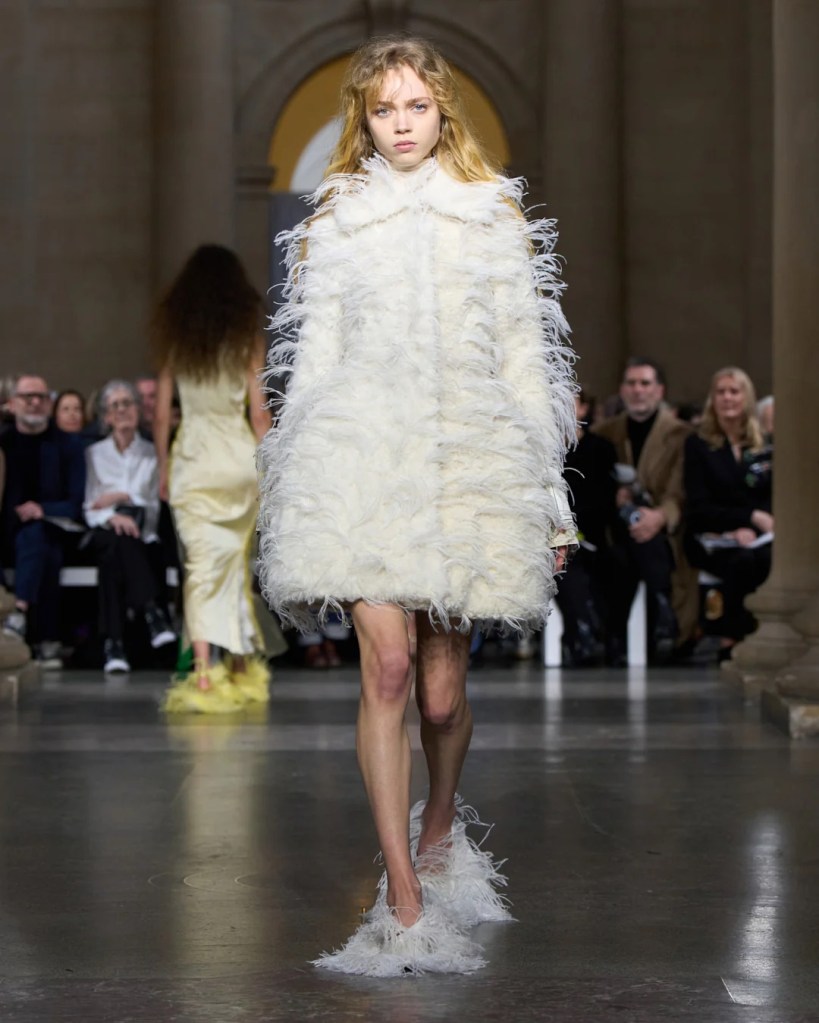
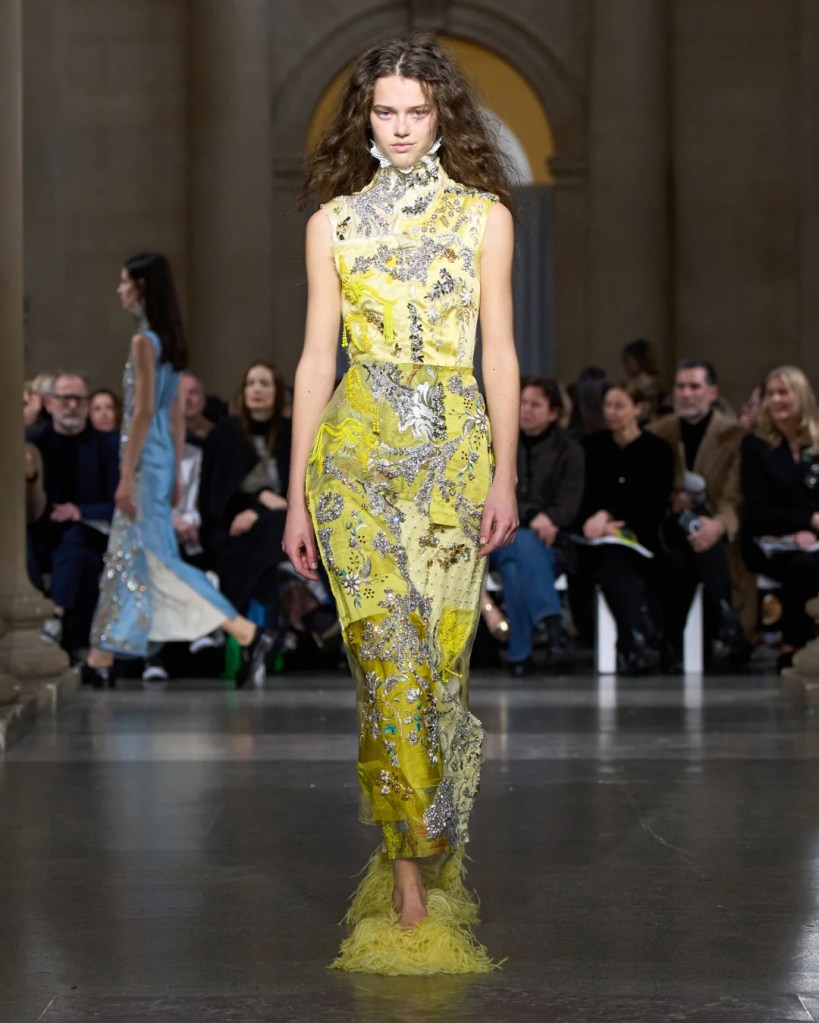
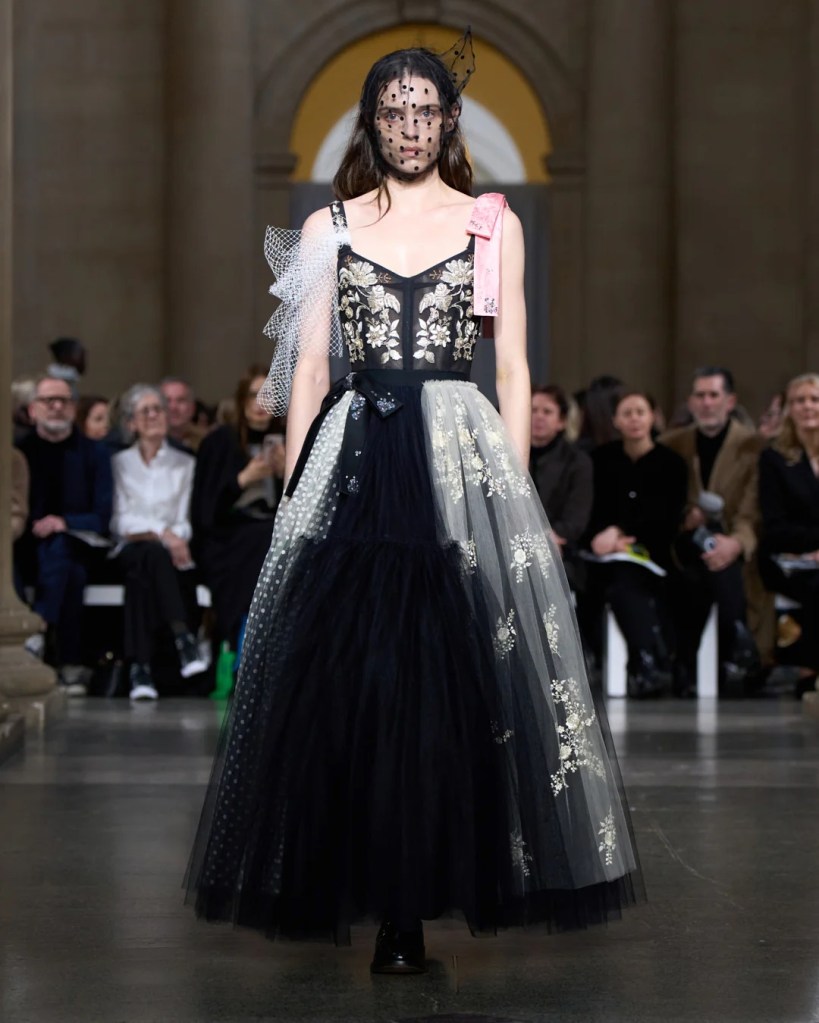
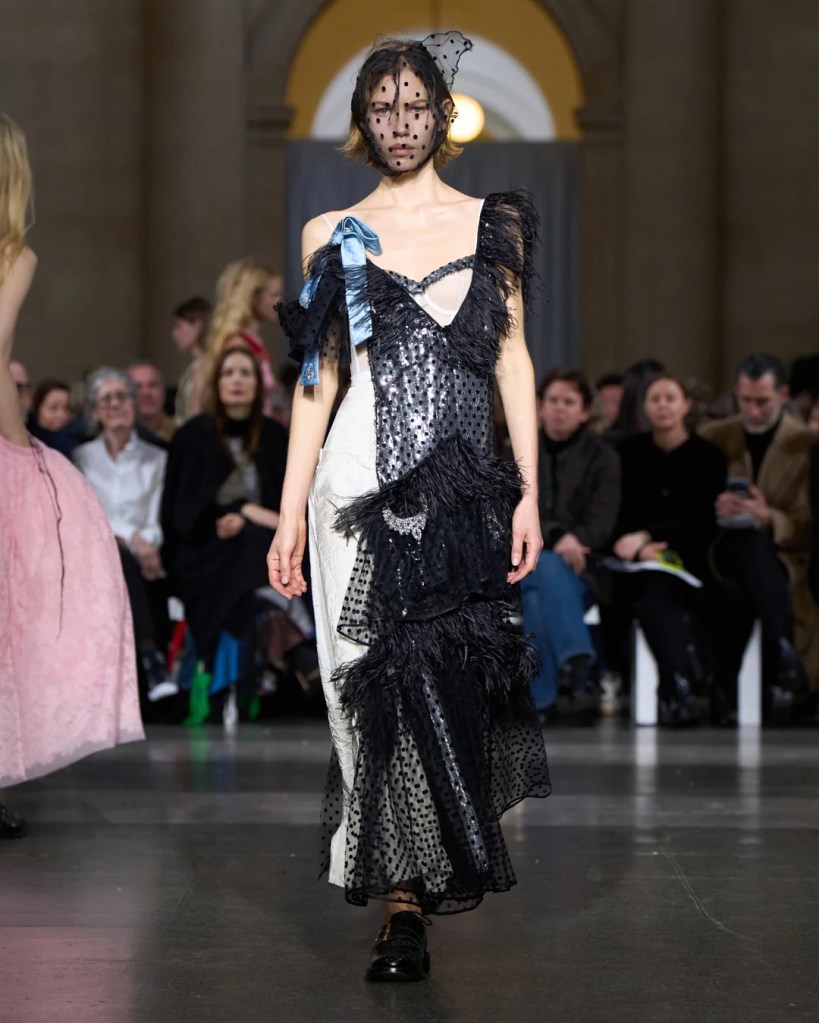
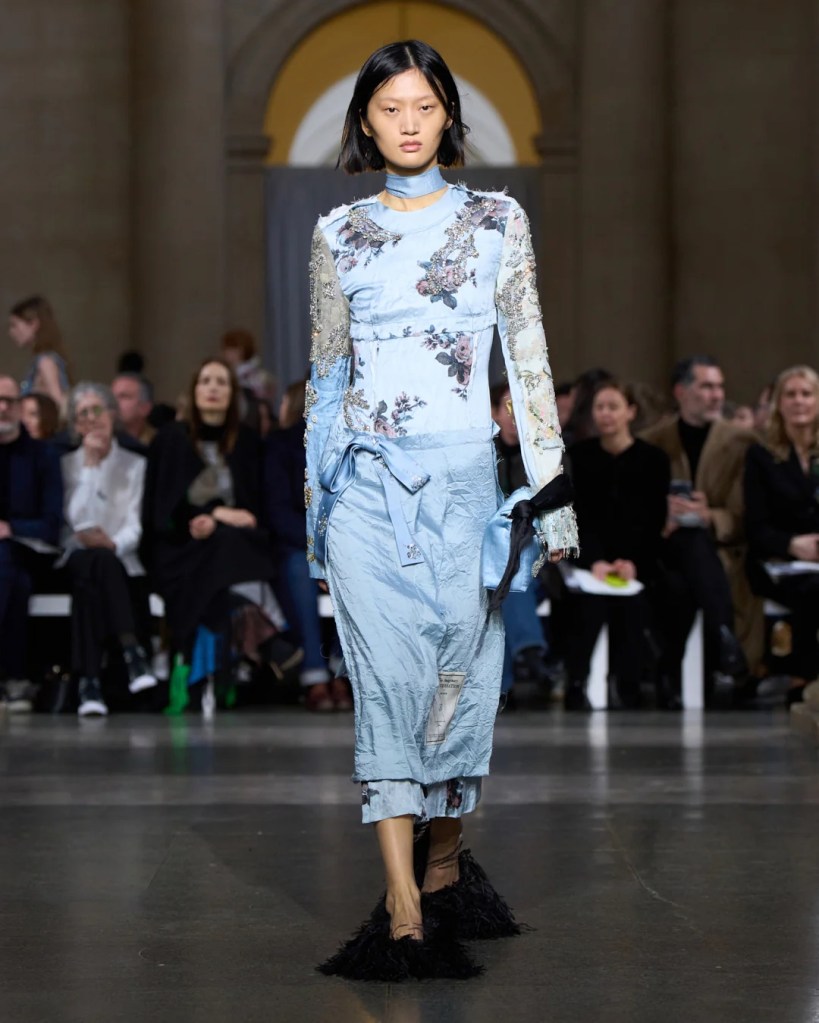
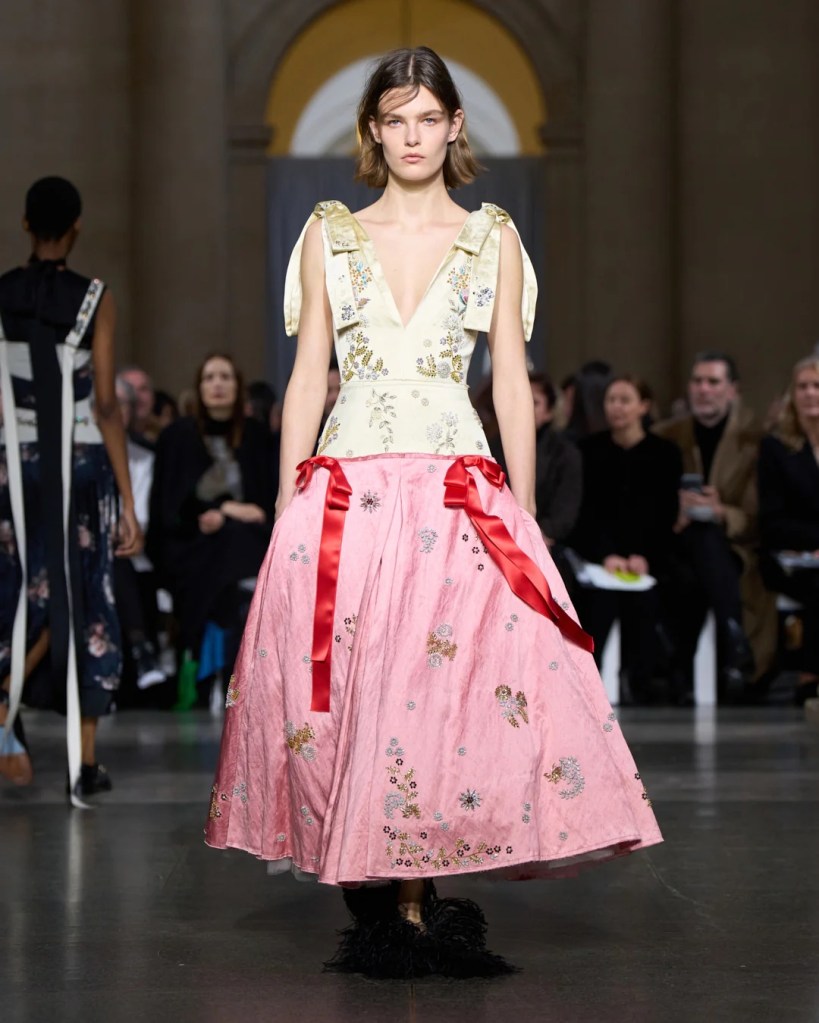
Two dresses in pale primrose and a watery Queen Mother periwinkle rise from embroidery samples culled from previous shows, reworked, over-embroidered, and given renewed breath. They might be worn with bold, duster-like ostrich shoes, as if sweeping away the cobwebs of the past to meet the present with a wink. Moralıoğlu even revisits the arc of his own career, reimagining milestones: a dress that echoes his very first finale in 2006—a bride, he says with a playful roll of the eyes, as if to acknowledge the irony of ending with a wedding that forever whispered of beginnings. The pleated skirt is doubled, tucked in, a small rebellion against the formality of memory.
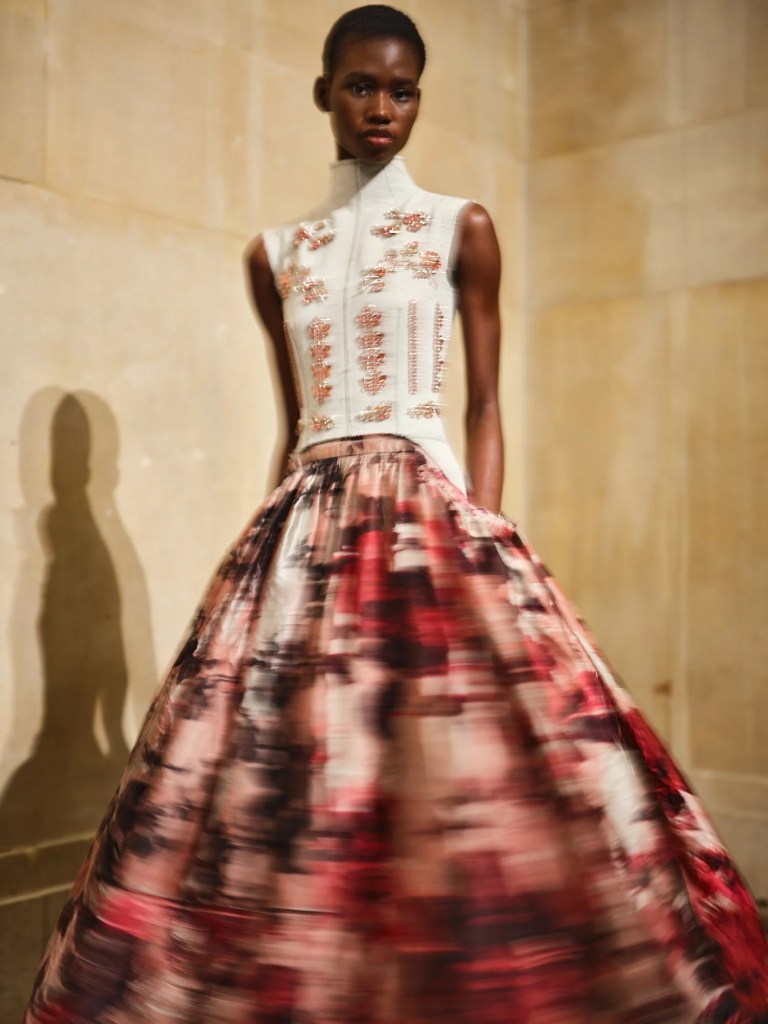
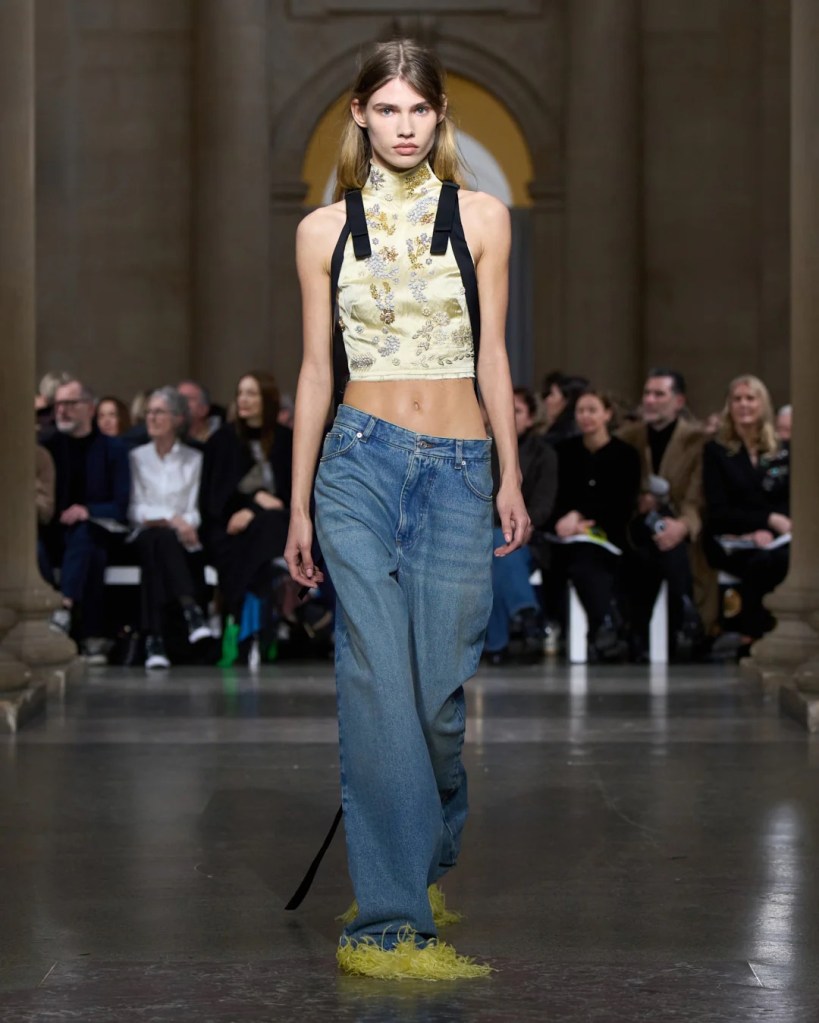
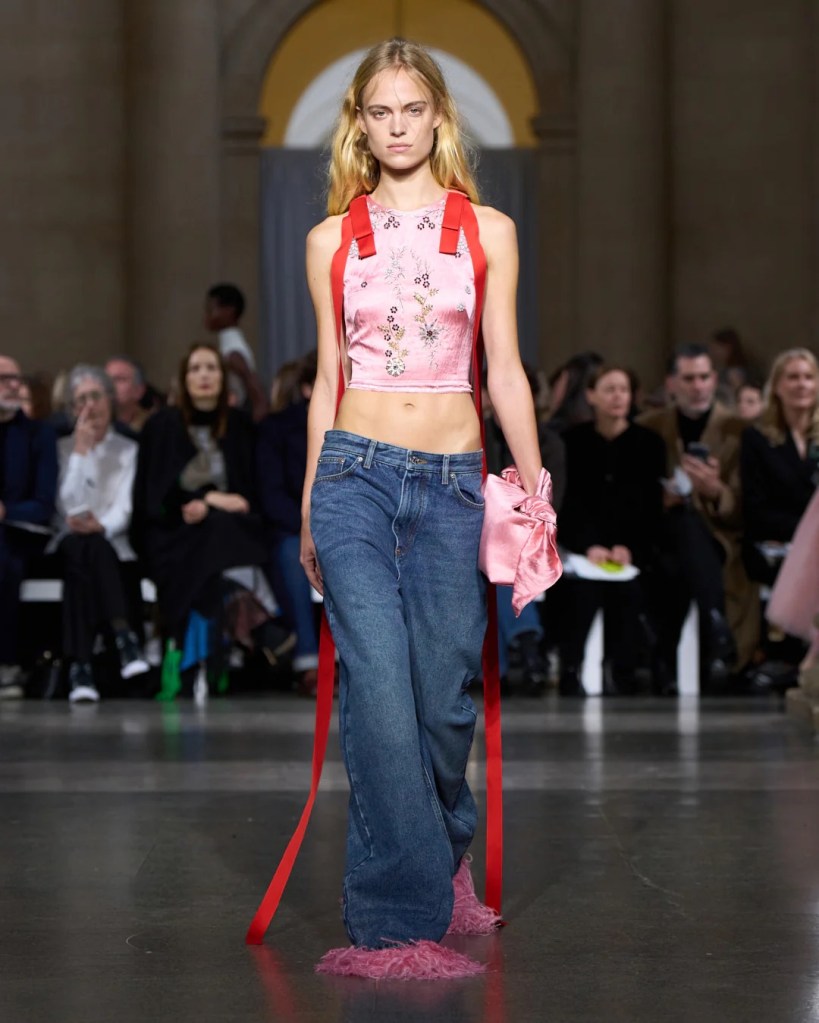
There is irreverence here, a healthy disrespect for yesterday’s patterns that allows room for invention. Ball gowns are chopped at the waist and worn as tops with low-slung jeans; others are severed and Frankenstein-ed back together at the midriff, transforming a grand gesture into a playful, contemporary riddle. It’s as if the collection plays a game—exquisite corpse on a grand scale—where the past is not a museum piece but a living, improvisational partner.
In this light, Moralıoğlu’s work reads less as a reinvention of a single voice and more as a conversation with the echoes that shaped him. The result is an intimate dialogue between history and hunger for novelty, a wardrobe that invites you to linger, to notice how memory can be remixed into present-day vitality. If you crave fashion that respects its ancestry while speaking to today’s senses, these garments offer a thoughtful invitation: examine, repar, reimagine, and slip into a story that acknowledges its origins even as it dares to reframe them.
 IN BLACK MAGAZINE